
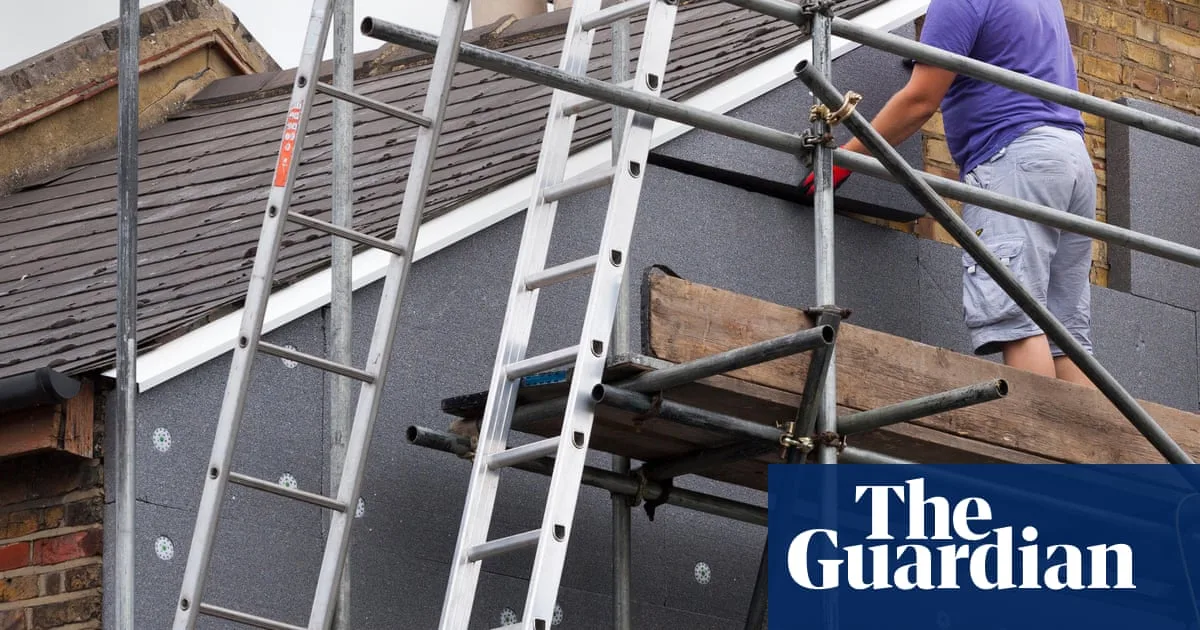
Members of Parliament have called on the Serious Fraud Office to investigate the UK’s home insulation sector after more than 30,000 households were left with defects, including severe mould, water ingress and damage to walls, under two Conservative government programmes. The Public Accounts Committee described the schemes, known as Eco4 and the Great British Insulation Scheme, as a “catastrophic fiasco” that left about 3,000 homes presenting immediate health and safety risks.
The committee’s chair, Sir Geoffrey Clifton-Brown, said the project was “doomed to failure from the start” due to poor communication among responsible organisations and a failure to act when problems emerged. He added that thousands of people are living with health and safety risks, and the public’s confidence in retrofit schemes has been “rightly shaken”. The Department for Energy Security and Net Zero and other agencies were criticised for being “far too slow to act”.
Under the Eco4 scheme, vulnerable and low-income households were to receive subsidised insulation funded through energy bills. External wall insulation was found to be damaged in 98% of the 23,000 homes where it was installed, while internal wall insulation defects affected 29% of properties. Guarantees from insulation firms were supposed to cover repairs, but some companies have folded, leaving homeowners struggling. Repair costs ranged from £250 to more than £250,000.
The Labour government has since scrapped the overarching energy company obligation and launched the “warm homes plan”, which includes solar panels, heat pumps and insulation. However, the plan has cut the target for heat pump installations from 600,000 to 450,000 a year, a move one expert said could jeopardise carbon targets. The government rejected this, stating the target is “fully realisable”.
Jonathan Bean, from the charity Fuel Poverty Action, called for a public inquiry and guaranteed repairs for victims. Martin McCluskey, minister for energy consumers, said the government inherited a “broken system” and is auditing every household with external wall insulation under the two schemes at no cost to consumers. The committee recommended the SFO investigation and an overhaul of how the government handles home insulation.




