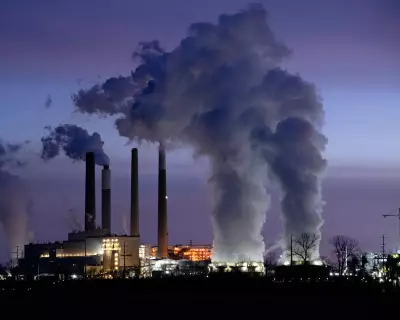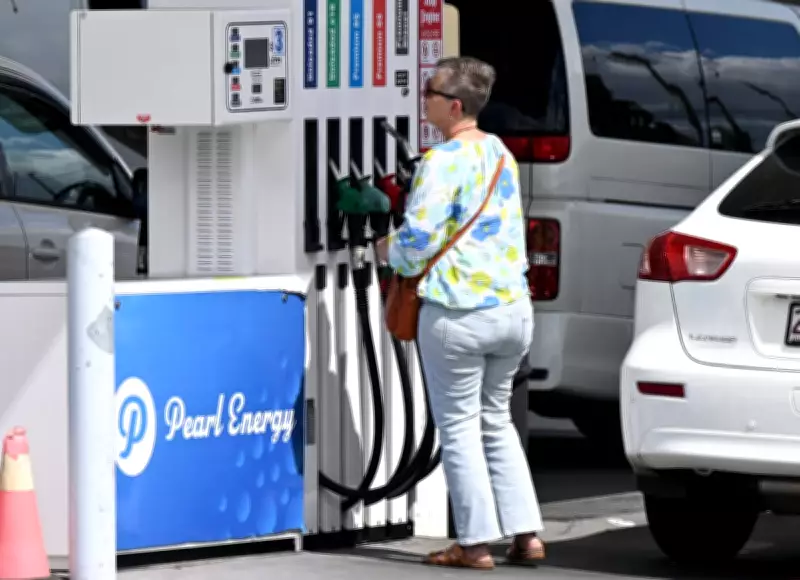
In the midst of a global fossil fuel crisis, the call for clean energy has never been more urgent. As petrol prices fluctuate and supply shocks ripple through economies, the renewable energy industry stands at a pivotal crossroads. This is a moment to break free from the shadows and assert its value with clarity and conviction.
The Open Lane for Renewables
Every additional electric vehicle on Australian roads translates to litres of petrol saved, while each home battery installed reduces gas dependency and fortifies the electricity grid. The economic argument for renewables is compelling, yet it has often been drowned out by well-funded disinformation campaigns from the fossil fuel sector. A recent Senate inquiry has uncovered evidence of fake social media accounts and misleading advertisements designed to distort public opinion on renewable energy.
Seizing the Narrative
Clean energy advocates must step out of their echo chambers and engage directly with mainstream communities. This means advertising widely, participating in mainstream media debates, and leveraging digital platforms to disseminate marketable facts. The industry should collectively and cohesively promote the financial benefits of renewables, especially as inflationary pressures make economic stability a top priority for many households.

As social researcher Rebecca Huntley notes, pro-climate arguments framed solely around environmental concerns often miss the mark. When presented in terms of financial savings and risk mitigation, people are more likely to lean in. This shift is now being observed globally, driven not by moral imperatives but by a desire for economic security.
Global Momentum and Local Opportunities
Internationally, governments are recognising the strategic importance of renewable energy. In Germany, onshore wind is being prioritised as part of national security policy, reducing reliance on foreign powers. The UK has mandated that all new homes from 2028 will require rooftop solar and heat pumps, with plans for balcony solar in apartments. Australian cities, such as Brisbane and Perth, receive more than double the sunlight of London, highlighting a vast untapped potential.
Even before recent geopolitical tensions, renewable energy projects were projected to inject $68 billion into the Australian economy over the next five years. The United Nations secretary-general, António Guterres, emphasises that clean energy sources like sunlight and wind cannot be blockaded or weaponised, offering a stable alternative to volatile fossil fuels.
A Call to Action
The clean energy sector must seize this inflection point with urgency. This involves not only advocating for policy changes but also embedding itself within communities through events and local employment. The window of opportunity may be narrow, as public and governmental attention spans are often short. However, the lessons from crises like Covid-19 and the Ukraine war underscore the need for a sustained shift away from fossil fuel dependency.
As author Ezra Klein suggests, the clean energy future should be portrayed as not just necessary but awesome. With strategic communication and a focus on economic benefits, the industry can overcome decades of being steamrolled by fossil fuel interests. Now is the time to take the gap and accelerate towards a resilient, renewable-powered future.