Innovative Behavioural Plan Saves Endangered Rhino's Eyesight in Zimbabwe
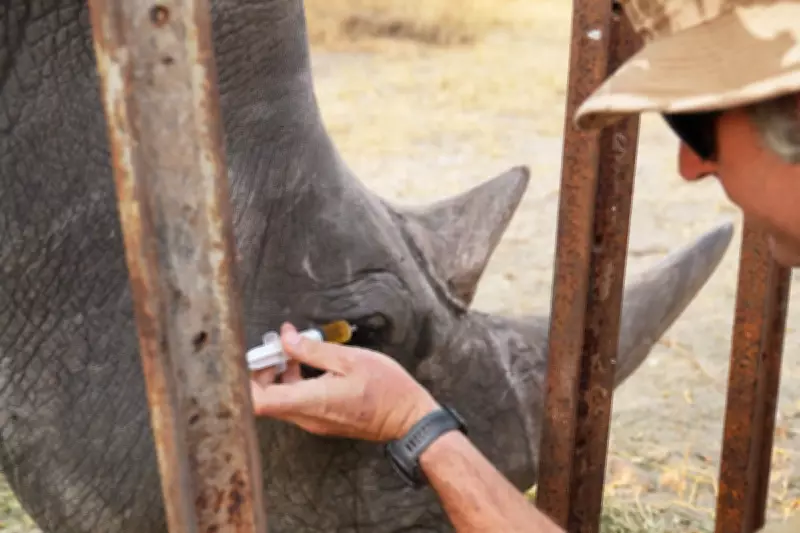
In a groundbreaking conservation effort, a wild southern white rhino named Thuza in Zimbabwe has been successfully treated for a life-threatening parasitic eye infection through an innovative behavioural approach. This intervention marks a significant milestone for the Community Rhino Conservation Initiative, which aims to reintroduce southern white rhinos to communal lands in the region.
Collaborative Effort Across Continents
Animal behaviourists from Precision Behaviour, in partnership with the Palm Beach Zoo & Conservation Society, traveled from the United States to Africa to implement this unique strategy. The technique involved a carefully designed process of coaxing Thuza with food and gradually desensitising him to human touch. Over the course of a week, this allowed for the strategic administration of eyedrops, effectively treating the infection without the need for invasive procedures.
This method proved vital in protecting Thuza's eyesight, ensuring the rhino could continue to thrive in its natural habitat. The success of this approach highlights the importance of cross-continental collaboration in wildlife conservation, bringing together expertise from different parts of the globe to address critical health issues in endangered species.

Positive Outcomes for Conservation
The treatment has yielded a positive outcome for the near-threatened southern white rhino population. Thuza and other rhinos in the initiative are now thriving, demonstrating the effectiveness of behavioural interventions in conservation efforts. This case serves as a model for future projects, showing how innovative techniques can be applied to save endangered animals in the wild.
The Community Rhino Conservation Initiative continues to work towards its goal of reintroducing these majestic creatures to their native lands, with this success providing a boost to ongoing efforts. As conservationists celebrate this historic moment, it underscores the potential for creative solutions in protecting biodiversity and ensuring the survival of species at risk.