In the ongoing push towards renewable energy, Australia's rooftop solar revolution has predominantly benefited detached homeowners, while apartment dwellers are increasingly sidelined due to significant infrastructural and regulatory hurdles. According to experts Saman Gorji and Alireza Ganjovi, the real upfront cost in many buildings is not the solar panel itself but the enabling infrastructure required to support it, such as electrical upgrades and metering systems.
The Growing Disparity in Solar Access
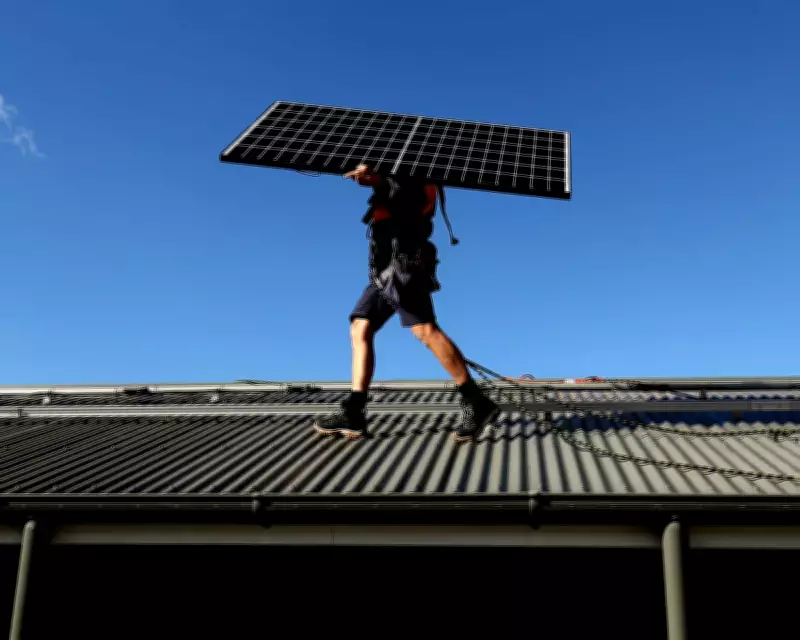
Most Australians recognise the advantages of rooftop solar: reduced power bills, cleaner electricity, and the potential for affordable electric vehicle charging at home. However, this promise has largely been tailored to detached houses with privately controlled roofs and meter boards. For those living in apartments, units, or townhouses, the scenario is starkly different, creating a national issue as multi-dwelling residences become more common.
Recent data highlights this gap. Apartments constituted 16% of Australian dwellings in the 2021 census, yet rooftop solar supplied 14.2% of the nation's electricity in the latter half of 2025, according to the Clean Energy Council. In New South Wales, fewer than 2% of apartment buildings currently have solar installations, underscoring the urgent need for targeted interventions.

Government Responses and Their Limitations
State governments have begun to address this imbalance. Victoria's Solar for Apartments program offers rebates of up to A$2,800 per apartment, while New South Wales provides grants of up to $150,000 for eligible shared systems through its Solar for Apartment Residents initiative. These efforts mark progress in treating apartment residents as integral to the energy transition rather than an afterthought.
Nevertheless, rebates alone are insufficient. Research indicates that the primary barriers are not the solar panels but the complexities of shared buildings. These include roof access restrictions, strata approvals, common-property rules, metering arrangements, switchboard upgrades, network constraints, and equitable benefit distribution among residents. In multi-owner buildings, decisions that are straightforward for detached households require committee approvals, engineering consultations, retailer coordination, and consensus on funding and benefits.
The Role of Smart Meters and EV Charging
Smart meters, which automate electricity data transmission to retailers, are part of the solution, with national rules aiming for full rollout across the National Electricity Market by 2030. However, they do not resolve all issues, particularly as electric vehicle charging adds another layer of complexity.
Federal guidance notes that most EV charging occurs at home, with NSW estimating 80-90% of EV owners charging where they live, including in apartment buildings. Home charging is typically the cheapest and most convenient option, especially when leveraging off-peak power or rooftop solar. For detached homeowners, the pathway involves solar panels, home chargers, and possibly batteries, but apartment residents without EV-ready infrastructure may have no viable options.
Governments are taking initial steps, such as NSW funding EV-ready retrofits for strata buildings and Queensland issuing guidance for bodies corporate. Yet, if apartment buildings cannot support electrified living, a growing segment of Australians will be excluded from these advancements.
Strategies for Inclusive Energy Transition
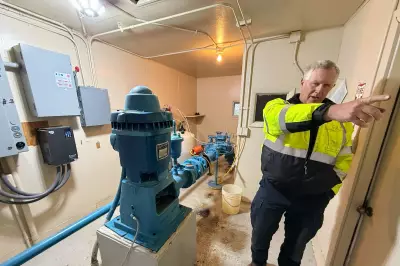
Addressing these challenges requires a dual approach of carrots and sticks. For existing apartment stock, governments should provide co-funding for common-property electrical upgrades, support feasibility studies, simplify approvals, and offer trusted one-stop advice for owners corporations and strata committees. The enabling infrastructure, not just the panels, often represents the significant cost barrier.
For new developments, stricter regulations are necessary. Approving buildings that are not solar-ready, EV-ready, or equipped for modern metering and shared energy services is counterproductive, as retrofitting later is costlier and more contentious. Additionally, robust consumer protections are essential to ensure apartment residents have clear rights, fair disclosure, and recourse in shared systems.

Equity and Fairness in Energy Access
This issue transcends climate and engineering concerns, touching on cost-of-living and housing equity. NSW's apartment solar program explicitly includes renters, not just owner-occupiers, while initiatives like the Social Housing Energy Performance Initiative in NSW and Victoria's Energy Efficiency in Social Housing Program reflect a growing recognition of energy access as a fairness issue.
The next phase of Australia's energy transition is not about proving rooftop solar's efficacy but ensuring equitable participation for those in shared buildings. If governments succeed, apartment buildings can evolve into active energy hubs with shared solar, smart demand management, batteries, and EV charging. Failure to act risks leaving many Australians as mere spectators in the energy transition, exacerbating social and economic divides.
Saman Gorji is an associate professor of renewable energy and electrical engineering at Deakin University, and Alireza Ganjovi is a researcher in energy systems and applied physics at Deakin University. This analysis underscores the critical need for inclusive policies to bridge the solar gap in multi-dwelling residences.