Somerset Residents Face Rising Floodwaters as Storm Aftermath Continues
Somerset Flooding Crisis: Residents Evacuate as Waters Rise

Somerset Residents Grapple with Flooding Crisis as Waters Continue to Rise

Bryony Sadler has been monitoring the escalating water levels near her Somerset Levels home, meticulously planning the evacuation of her family, dogs, and chickens. This scene of anxious preparation is becoming increasingly common across the region as communities confront the aftermath of severe weather.

Families Forced from Homes as Floodwaters Invade

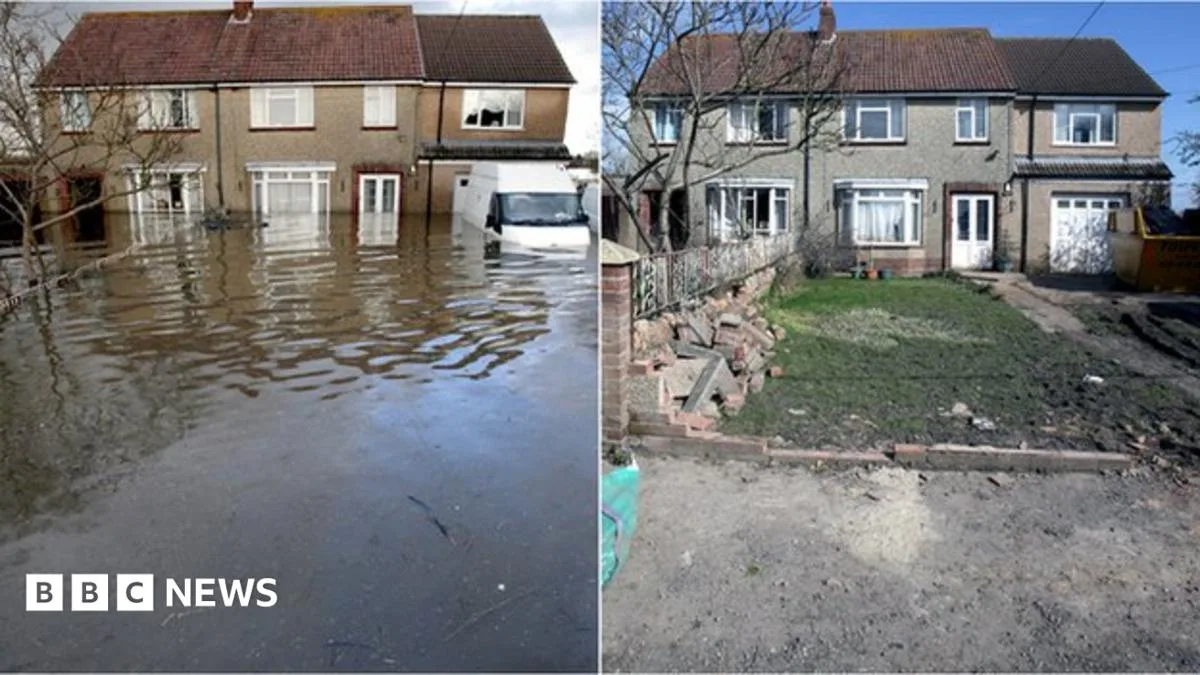
In the early hours, the Wade family's boxer puppy began barking persistently. Assuming the animal needed to go outside, they descended the stairs and opened their back door, only to be met not by their usual garden but by a vast expanse of water. "It was like a sea out there," recounted James Wade. Over subsequent hours, the water infiltrated their Taunton home on a modern estate, compelling James, his wife Faye, and their three children aged six, eleven, and twelve, to seek emergency accommodation.

"We have lived here for thirteen years and this has never occurred before," Wade emphasised. "Even during the extensive floods of 2014, our property remained completely dry." The Wade household is among approximately fifty families that Somerset Council estimates have been flooded this week as Storm Chandra impacted the UK.

Council Declares Major Incident Amid Further Weather Warnings

With another Met Office yellow warning for rain coming into effect for parts of south-west England, the council anticipates more residential and commercial properties will be submerged. Consequently, authorities have declared a major incident. Although the Wades' residence is situated near Black Brook, the stream itself did not overflow its banks. Instead, the water that inundated their home and neighbouring properties in the early hours of Tuesday is believed to have emerged through obstructed drainage systems.

"On one hand, the solution appears straightforward," Wade reflected. "They need to maintain clean drains. However, I recognise there are cost implications, and with climate change, this intensity of rainfall is becoming the new normal."

Community Resilience and Preparedness in Flood-Prone Areas

Further east in the market town of Ilminster, residents were engaged in cleanup operations while bracing for the next anticipated downpour. Allison Bushby, a fifty-nine-year-old craftsperson residing on a residential park at the town's edge, described being awakened by a flood alarm at 1am on Tuesday. The water in her modest garden had reached thigh height, and she departed at 6am while still able to navigate a path out.

Flooding is not an unfamiliar occurrence here; the area experienced similar conditions exactly one year prior. Water accumulates from multiple sources, including agricultural fields, culverts, and drainage systems. "I'm prepared now," Bushby stated. She routinely keeps her possessions in substantial storage boxes, which she transfers to countertops when heavy rain begins. "They're an absolute godsend," she added.

When visited, Bushby had recently returned home and was baking a cake for park staff. "They're exceptionally supportive during these events," she remarked. "The entire community comes together wonderfully."

Geographical Challenges and Calls for Proactive Water Management

Mike Rigby, Somerset Council's lead member for economic development, planning, and assets, highlighted the region's topography as a key vulnerability. Much of Somerset is low-lying, encircled by elevated terrain such as Exmoor and the Blackdown Hills, making it prone to flooding. Water cascades from these hills into residential and commercial zones. "Due to that geography, we face a substantial risk," Rigby explained.

Locations previously unaffected by flooding, like the Wades' street, have now been impacted. "We will need to investigate that thoroughly," Rigby noted. He described the council's approach to drain maintenance as "reactive". "When drains become blocked and we discover this through our own observations or public reports, we will dispatch teams to clear them. However, ideally, we would prefer to establish a proactive function."

"What we genuinely require is a dedicated funding stream, a hypothecated grant from the UK government, to maintain the drainage system to a higher standard," Rigby asserted. He stressed the importance of ring-fencing such funds to prevent them from being "absorbed into the vast demands of social care."

Climate Change Intensifies Rainfall and Flood Risks

Extreme rainfall events are growing more frequent and intense globally due to human-induced climate breakdown. This month, leaders in Cornwall and Devon, which have also been struck by Storms Goretti and Ingrid alongside Chandra, have argued for increased financial support to enhance resilience. "The exceptionally heavy rainfall we are now witnessing necessitates a reevaluation of how we manage water," Rigby commented.

Ongoing Vigilance on the Somerset Levels

The flooding crisis in Somerset persists. On the Somerset Levels, a low-lying region of moors, rivers, and ditches, residents not yet flooded are watching water levels with apprehension. Bryony Sadler, a mother, hairdresser, and spokesperson for the Flooding on the Levels Action Group (Flag), guided observers on her dog walk, indicating extensive water stretches that were absent earlier in the week.

The area gained national attention for weeks during the severe 2014 floods. Since then, investments have been made in river dredging and pumping equipment. "But it seems as though they consider that task completed. Tick. That will satisfy everyone," Sadler observed. "This requires local management by individuals who comprehend the moors, not distant officials."

Sadler expressed concern for wildlife as well as human inhabitants in this ecologically rich environment. She noted a deer navigating through floodwater. "What will become of them? And of the hedgehogs and worms?" she questioned.

At dawn on Wednesday, the water level at the Northmoor main drain near Sadler's home measured 4.04 metres. By 1pm, it had risen to 4.14 metres. The Environment Agency considers properties at risk of flooding when levels exceed 4.13 metres. Sadler was devising strategies to relocate her dogs, chickens, teenagers, and mother if waters continued to ascend. "Living here is typically beautiful," she reflected. "A remarkable place with wonderful people, but currently, it feels somewhat disheartening."