Potomac River Contamination Crisis: E. Coli Levels Soar After Sewage Disaster
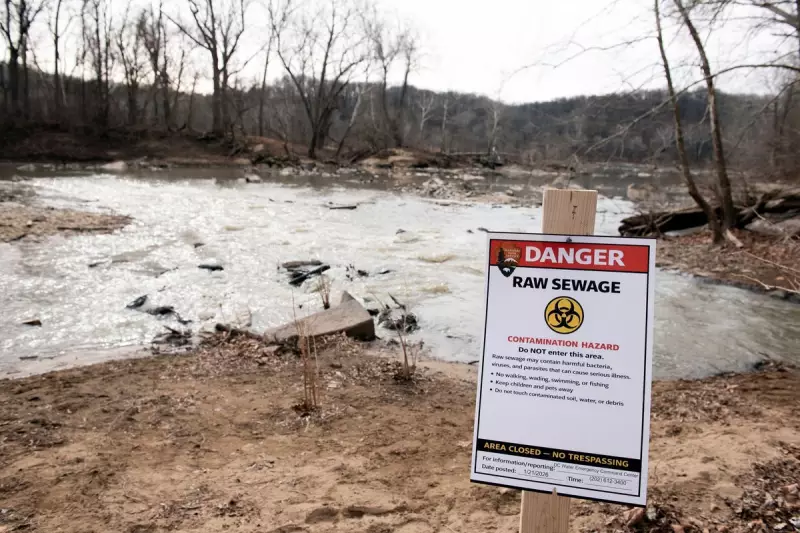
A catastrophic sewage spill has unleashed a toxic wave of contamination into the Potomac River, with E. coli levels now measuring thousands of times above safe limits for human contact, according to a recent report. The environmental emergency began on 19 January 2026, when a major underground sewer line ruptured in Montgomery County, Maryland, sending hundreds of millions of gallons of untreated waste cascading into the vital waterway.
Geyser of Sewage Triggers Public Health Emergency
The initial pipe failure created a dramatic and hazardous scene, with sewage bubbling up through the ground and erupting several feet into the air like a geyser. Over the following week, an estimated 300 million gallons of toxic waste poured into the river, carrying contamination from Maryland suburbs directly into Washington, D.C. The scale of the disaster has left environmental workers and officials deeply concerned about both immediate and long-term impacts.
Dean Naujoks of the Potomac Riverkeepers described the alarming conditions: "Oh my god, the smell is horrific. It's such high concentrations of sewage that just grabbing a sample is a public health risk." His organisation has been conducting extensive testing along the affected stretches of river, revealing contamination levels that far exceed any reasonable safety threshold.

Testing Reveals Alarming Contamination Levels
Water quality testing conducted by the Potomac Riverkeepers has documented the severity of the pollution crisis:
- At the original spill site, E. coli levels measured 12,000 times above the safe limit for human contact
- Four miles downstream at Fletcher's Boathouse in Washington, D.C., levels remained 60 times higher than safe limits
- Contaminants include not only bacteria but also pathogens and parasites typically found in raw sewage
Naujoks emphasised the widespread nature of the contamination: "We found alarmingly high numbers of sewage E. coli in the river. Everywhere we tested downstream, we found very, very high levels."
Emergency Response and Ongoing Concerns
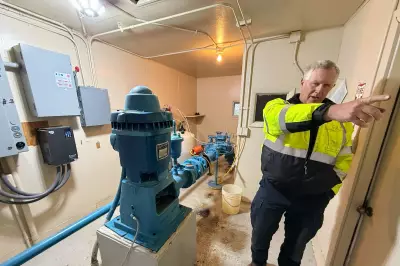
DC Water crews have implemented emergency measures to contain the ongoing spill, diverting much of the remaining flow into the historic C&O Canal. The 184.5-mile canal, which ceased operations in 1924 following floods and financial failure, typically remains dry along large stretches and now serves as a temporary containment channel where sewage can be routed back into the treatment system.
While officials report that the stream delivering millions of gallons of sewage-filled water into the river each day has been sharply reduced, repairs to the damaged infrastructure are not yet complete. A DC Water spokesperson acknowledged the concerning test results from the Potomac Riverkeepers and advised that anyone exposed to the water should thoroughly wash their skin.
The spokesperson expressed optimism that water quality would improve once the overflow is fully contained, but environmental advocates remain cautious. Naujoks welcomed the diversion efforts but highlighted ongoing concerns: "I'm glad they've come up with a plan to minimize the impacts. But will it continue to work? And how long until no sewage is entering the Potomac at all? And then they still have to clean this mess up."
The Potomac Riverkeepers organisation has confirmed that all contaminants typically present in sewage are impacting the river through this discharge, creating a complex environmental challenge that will require sustained attention and resources to address fully.