UK Proposes Health Warnings and Stricter Emission Limits for New Wood-Burning Stoves
Health Warnings and Emission Limits for UK Wood-Burning Stoves

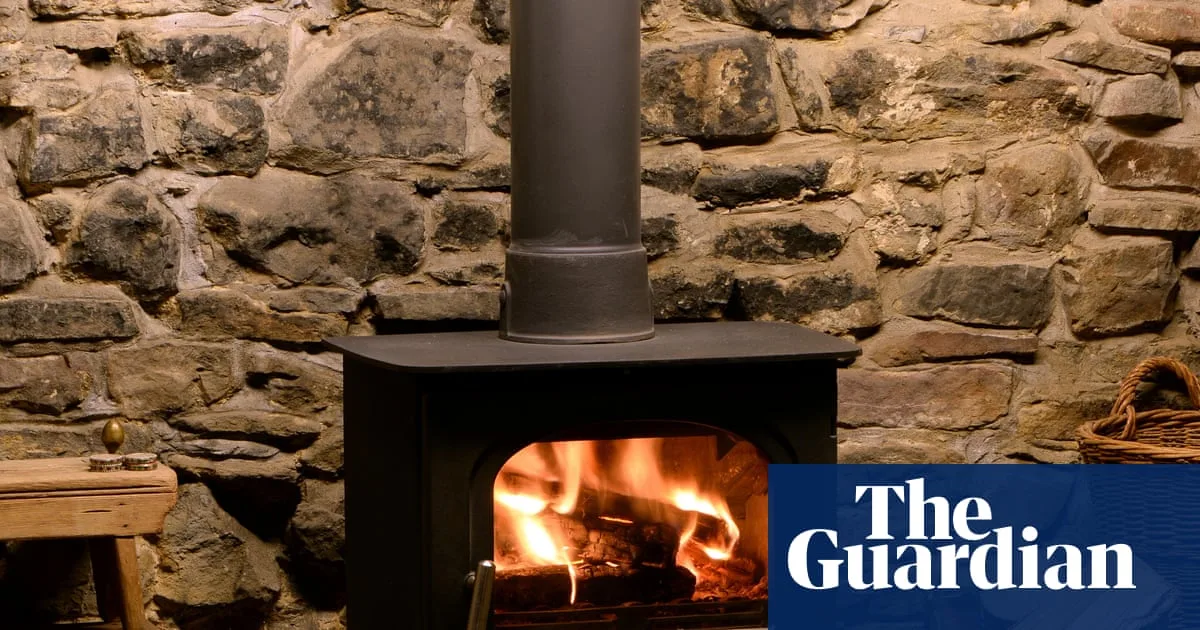
The UK government has unveiled a new consultation proposing significant measures to address the health risks associated with wood-burning stoves, including mandatory health warnings and stricter emission limits for new models. Under the plans, new stoves would carry labels highlighting the impact of air pollution on health, with a suggested warning stating: "Please be aware that this appliance emits air pollution into and around your home which can harm your health." Additionally, the labels would rate the energy efficiency of stoves from A to C, providing consumers with clearer information for making healthier choices.

Proposed Emission Reductions and Their Impact

Ministers have proposed cutting the smoke emission limit for new wood-burning stoves by 80%, from the current 5 grams per hour to just 1 gram per hour. However, this measure applies only to new stoves, with about 70% of stoves tested since 2018 already meeting the stricter limit. According to the consultation, this change would reduce annual toxic emissions from wood burning in the UK by only 9% over the next decade, as it does not address pollution from existing stoves. The new standard is not expected to come into force for three to five years after the law is passed, raising concerns about the pace of implementation.

Health Risks and Public Concerns

Pollution from domestic wood burning is a major contributor to air quality issues in the UK, accounting for approximately 20% of fine particulate matter, comparable to all road transport. These fine particles are considered the most dangerous air pollutant for human health, linked to serious health problems. A recent study found that wood-burning stoves and fires in homes are associated with 2,500 early deaths annually in the UK, along with 3,700 cases of diabetes and 1,500 asthma cases. Despite this, wood burners are used by about 12% of households, with over 90% having alternative heating sources, often for aesthetic purposes rather than necessity.

Emma Hardy, the air quality minister, emphasised the government's commitment to improving air quality, stating: "Dirty air robs people of their health and costs our NHS millions each year to treat lung conditions and asthma. We are determined to clean up our air. By limiting emission levels and introducing new labels as outlined in our consultation, families will be able to make better, healthier choices when heating their homes." The consultation also proposes health warnings for wood sold for burning, with suggested wording reading: "Burning in the home leads to air pollution which has a negative impact on the health of you and your family."

Criticism from Campaigners and Enforcement Issues

Clean air campaigners have criticised the proposals for not going far enough, particularly in addressing pollution from existing stoves. Larissa Lockwood, director of clean air at Global Action Plan, compared less polluting stoves to low-tar cigarettes, noting: "A less polluting stove is like a low tar cigarette: it's slightly better for your health, but still significantly worse than not using them in the first place." She called for further action to promote cleaner heating options and empower local authorities to curb emissions effectively.

Enforcement of existing regulations has also been highlighted as a concern. Research revealed that no prosecutions for illegal wood burning were made in England in the year to August 2025, despite 15,195 complaints, with only 24 fines issued by local authorities during that period. The consultation proposes increasing fines for fuel suppliers who sell insufficiently dry wood from £300 to £2,000, as damp wood produces more pollution, but this measure alone may not suffice without stronger enforcement mechanisms.

Public Feedback and Future Steps

Jemima Hartshorn from the Mums for Lungs campaign group expressed frustration, saying: "Almost daily, people tell us about being smoked out of their homes and gardens, of non-stop coughing and wheezing during the winter despite their neighbours burning in a legal way across the country. Non-essential wood burning needs to end. The consultation outline does not go far enough – it only suggests measures that will reduce wood burning from new stoves but does not address the huge pollution emitted by existing stoves." She hopes the final outcome will better align with scientific and health professional recommendations to protect public and children's health.

The consultation, which closes on 19 March, aims to gather public input on these measures. The foreword to the consultation stated: "We all deserve to live in an environment where our everyday lives are not negatively affected by the quality of the air that we breathe." With emissions of fine particle pollution from domestic burning rising by 36% from 2009 to 2020, largely due to increased wood burning, the government faces pressure to implement more comprehensive solutions to safeguard air quality and public health across the UK.