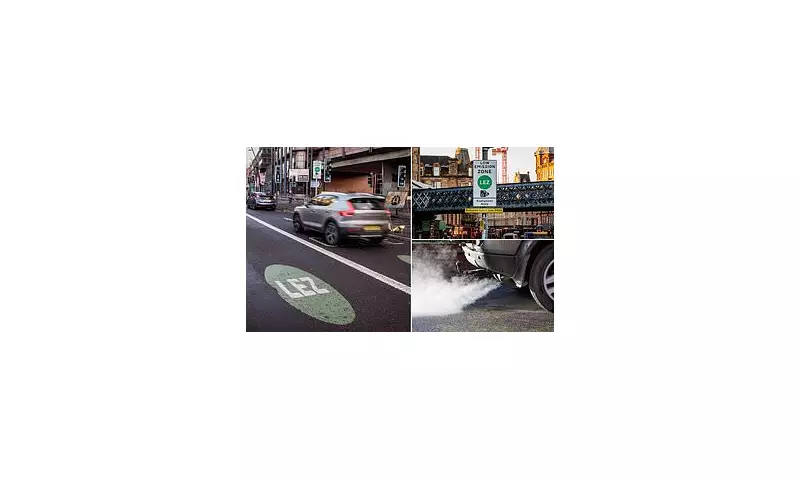
Glasgow's pioneering Low Emission Zone (LEZ) is facing a public credibility crisis, as new data reveals a surge in complaints about air pollution levels following its implementation.
Rising Public Dissatisfaction
Official figures obtained from Glasgow's SNP-led council show that public complaints about air quality have actually increased since the LEZ became operational. Between June 2022 and May 2023, before the zone's launch, the council received 203 complaints. However, in the most recent full year from June 2024 to May 2025, this number rose to 225 complaints - representing an 11% increase.
This rise in public dissatisfaction comes despite the scheme's primary objective of reducing emissions of nitrogen dioxide (NO2), a key pollutant. The LEZ, which launched in June 2023, banned thousands of non-compliant vehicles from the city centre.

Political and Public Backlash
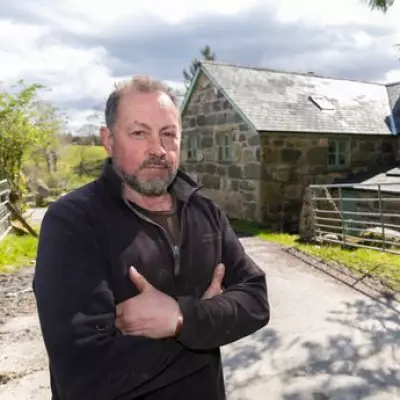
Scottish Tory Glasgow MSP Annie Wells delivered scathing criticism of the policy, stating: 'Those who pushed for low emission zones argued it would improve air quality. Since its introduction complaints from the public have gone up.'
Wells further condemned the scheme as 'illogical and wrong-headed', arguing it has hit motorists, damaged businesses and created a 'motoring nightmare' in the city centre. She particularly highlighted concerns about social equality, stating: 'The measure discriminates against those Glaswegians who cannot afford a fancy new car. The SNP has expelled people from their own city centre on grounds of wealth, income and social class.'
The opposition extended beyond political circles, with business leaders warning that the zones would deter visitors from city centres, potentially affecting company revenues.
Council Defends Environmental Impact
Despite the public complaints, Glasgow City Council maintains that scientific evidence demonstrates the LEZ's effectiveness. The council revealed that city centre NO2 levels fell by an average of 34% between 2022 and the first full year of LEZ enforcement in 2024.
Surrounding areas also benefited, showing average reductions of 21% over the same period. A council spokesman emphasised: 'Glasgow is now recording full compliance with the health-based Scottish air quality objectives for the first time since they were adopted 25 years ago.'
The council also addressed concerns about vehicle accessibility, clarifying: 'You do not need a brand new or electric vehicle to drive into a Scottish LEZ. Diesel vehicles less than ten years old and petrol vehicles less than 20 years old are typically compliant.'
Non-compliant vehicles, generally diesel engines from before 2015 and petrol vehicles from before 2006, face £60 fines each time they enter an LEZ.
Following Glasgow's example, similar LEZs were subsequently established in Aberdeen, Dundee and Edinburgh, collectively restricting approximately a million vehicles from Scottish city centres.