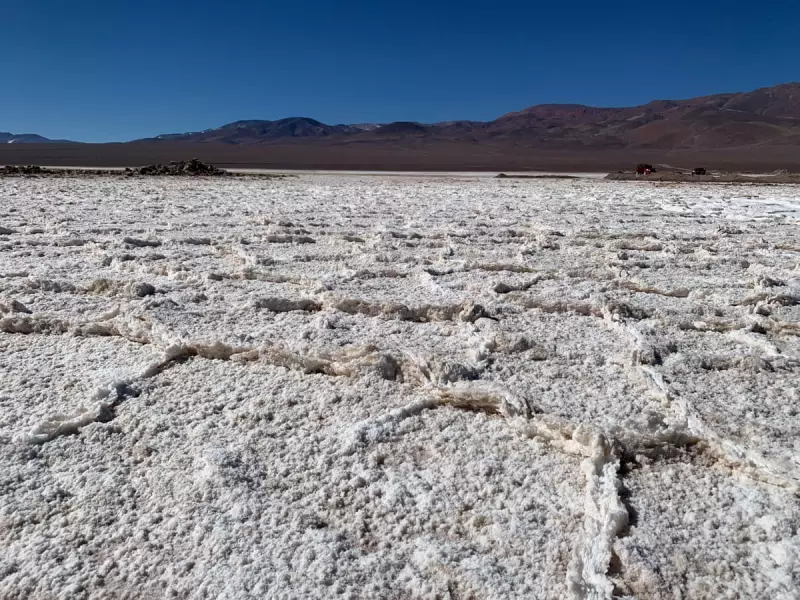
A major new lithium mining project in one of the world's driest deserts is igniting fears of environmental catastrophe and cultural erasure among Chile's Indigenous communities. The British-Australian mining giant Rio Tinto has entered a joint venture with Chile's state-owned copper miner, Codelco, to exploit the vast lithium reserves beneath the Salar de Maricunga, the country's second-largest salt flat.
‘The Source of All Life’ Under Threat
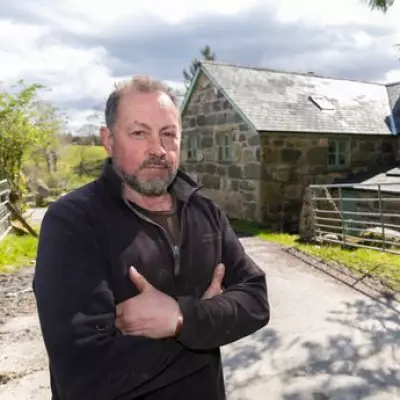
High in the Atacama region, 3,760 metres above sea level, the stark beauty of the Maricunga salt flat belies a brewing conflict. For the Colla Indigenous people, this is not just a mineral-rich basin but a sacred landscape integral to their survival. Lesley Muñoz Rivera, secretary of the Copiapó Indigenous community, states plainly: "The Maricunga salt flat is the source of all life here. Hydrological studies suggest that it is the source of our water. It’s a sacred place for us."
Miriam Rivera Bordones, who tends goats and fruit trees watered by a mountain stream, voices the dread shared by many. "We could be left with no water," she says. "How will we plant crops or feed our animals? It will make it very hard to survive here." Her community, like others in the area, is still rebuilding after being displaced during the Pinochet dictatorship, and now faces a new existential threat.

A Fragile Ecosystem and a Thirsty Process
The core of the dispute lies in lithium's extreme water footprint. Traditional extraction in Chile involves pumping brine into vast evaporation ponds, a process that loses between 85% and 95% of the water to the arid air. Rio Tinto has indicated it may use a different method called Direct Lithium Extraction (DLE), which it claims supports water conservation by reinjecting treated brine.
However, scientists warn that even this 'greener' method poses severe risks. Cristina Dorador, a microbiologist at the University of Antofagasta, has studied these salt flats for decades. She calls Maricunga a "hotspot of unique flora and fauna," home to 53 animal species, including Andean flamingos and guanacos, and prehistoric microorganisms found nowhere else.
"The reinjected brine could have traces of chemical compounds such as surfactants and detergents that could affect the whole ecosystem of the salt flat," Dorador explains. She emphasises that the ecosystem is interconnected, meaning damage in the northern extraction zone could impact the southern part, which lies within the protected Nevado Tres Cruces national park.
Broken Consultations and a Looming Political Shift
Local communities allege they have been sidelined. Although six communities were included in a consultation process for the Maricunga project, Lesley Muñoz Rivera dismisses it as "window-dressing." "We are completely opposed to lithium extraction, but there was no opportunity to say that," she claims. "The project’s going ahead whether we like it or not."
Across the wider Copiapó region, 24 other Colla communities say they have not been consulted at all. Isabel Godoy of the National Council of the Colla People states that only 10% of the local Indigenous population has been consulted, prompting a legal challenge to expand the process. "We won’t benefit from this; we don’t use expensive electric vehicles... we’ll just be left with the rubbish," she says.
The political landscape is set to intensify the conflict. On 11 March 2026, ultra-conservative president José Antonio Kast will be inaugurated. He advocates for faster, private-sector-led lithium exploitation and has announced measures to expedite permits, which ecologists fear will gut environmental protections. Lucio Cuenca, director of the Observatory of Latin American Environmental Conflicts, warns this could be "disastrous" for Andean ecosystems.

Rio Tinto and Codelco maintain they are committed to responsible practices and community dialogue. Codelco states respect for ancestral territories is "an essential principle," while Rio Tinto emphasises its aim to "minimise fresh water consumption." Yet, for Cindy Quevedo, president of the Finca Chañar community, the pain is profound: "These are sacred territories... It hurts me so much that this land is being destroyed." As the global demand for 'white gold' surges, the collision between the green energy transition and the rights of those living on the frontlines of extraction has never been clearer.