Volunteer Wombles Battle England's Fly-Tipping Crisis as Incidents Surge 10%
Volunteer Wombles Battle England's Fly-Tipping Crisis

Volunteer Wombles Take on England's Fly-Tipping Epidemic

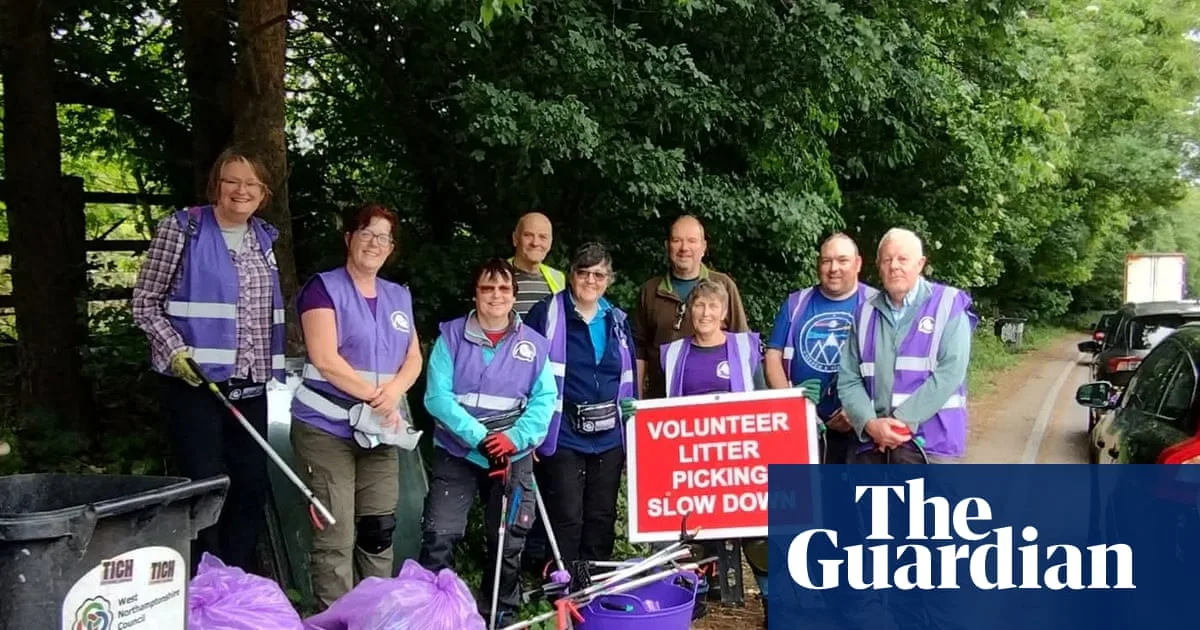
Every Wednesday in Brackley, Northamptonshire, a dedicated group of volunteers known as the Hardcore Wombles gather to tackle the growing scourge of fly-tipping. Armed with bags and determination, they clear laybys and verges of everything from household waste to more disturbing finds like empty shoe boxes and bottles of what they call "driver Tizer" – a euphemism for urine.

A Community Response to Growing Filth

Trish Savill founded the first of three local litter-picking groups three years ago after a council meeting highlighted the council's lack of resources. "We were all just fed up with the filth and realised the council didn't have the staff or money to tackle it," Savill explained. What began as frustration has grown into a community movement with the Hardcore Wombles (weekly), Weekend Wombles, and Community Wombles (monthly with children).

Last Wednesday alone, Savill's group collected 28 bags of rubbish in just one hour from a single layby outside Brackley. Yet this barely made a dent in the sprawl of rotting refuse mixed with dumped white goods and other debris already working its way into the soil.

National Crisis in Numbers

Savill's experience reflects a national crisis. Government statistics reveal local authorities in England dealt with approximately 1.26 million fly-tipping incidents in 2024-25 – a 10% increase from the previous year and the fifth consecutive annual rise. This represents the highest level since comparable records began in 2012-13.

The data shows particularly worrying trends:

  • An 11% increase in the most serious "tipper lorry load" incidents
  • Household waste accounting for the majority of dumped materials
  • Almost a third of incidents involving small van-loads of waste
  • 27% roughly equivalent to a car boot's worth of rubbish

Clearing this waste cost English local authorities £19.3 million, though these figures only cover public land – most incidents occur on private property.

Systemic Pressures and Enforcement Challenges

Josie Appleton, director of the Campaign for Freedom in Everyday Life, identifies multiple factors driving the increase. While the government abolished charges for DIY waste disposal at recycling centres, other fees still apply, and some sites operate restrictive booking systems, limited hours, or van access restrictions. "This all discourages lawful use and creates opportunities for illegal dumpers," Appleton noted.

Additional pressures include council budget cuts reducing enforcement capacity and increasingly complex waste sorting rules making compliance more difficult. Environmental and enforcement bodies consistently identify rogue waste operators as major contributors to the problem.

Limited Consequences for Offenders

Despite councils carrying out 572,000 enforcement actions in 2024-25 (an 8% increase), court prosecutions fell by about 9% to roughly 1,250 cases. The total value of court fines dropped from approximately £730,000 to £673,000, indicating many offenders face minimal consequences.

For farmers like Rachel Hallos, vice-president of the National Farmers' Union, the situation is particularly dire. "Organised, criminal fly-tipping remains a relentless and costly blight on our countryside," she stated, with farmers bearing the cost when waste is dumped on private land.

Cultural Solutions and Community Action

Across England, volunteer groups have proliferated in response, with many posting daily videos of their clean-up efforts. In Manchester, Yasmine El-Gabry transformed a fly-tipped alleyway behind her home into a planted communal space. She sees the issue as cultural as much as criminal – the work of a "selfish minority" enabled by weak social norms.

"There's enough in this world to pit communities against each other," El-Gabry said. "I'd rather talk to them, and show them the importance of keeping our communities clean." Her approach favors education over confrontation, reflecting a growing recognition that solving England's fly-tipping crisis requires both enforcement and cultural change.

As ministers announce tougher measures including crushing vehicles used for fly-tipping, community groups like the Wombles continue their weekly battles against the tide of rubbish, demonstrating that local action remains essential in addressing a national problem.




