
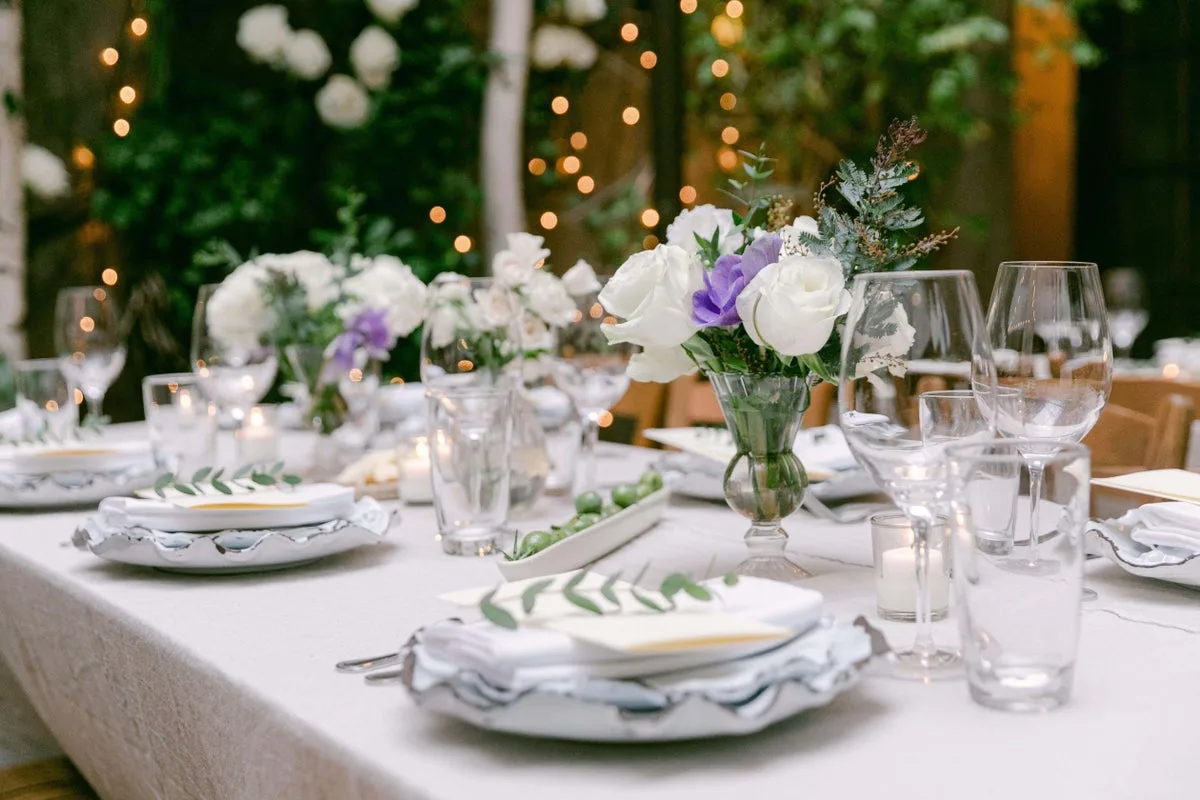
The art of tablescaping is gaining popularity, with the RHS Malvern Spring Festival introducing a floral tablescaping category in its judged gardens this year. Ashley Edwards, a wedding and event florist at Ash Tree Floral Designs in Birmingham, is designing 'At The Threshold: The Garden Comes To The Table', which captures the transition from spring to summer with plants, bulbs, and flowers emerging with energy.
Edwards advises beginners to keep things simple by using one or two coordinating colours instead of a chaotic mix. She emphasises the importance of seasonal flowers, such as tulips for their natural movement and ranunculus for their open petals. As summer arrives, garden roses add scent and beauty, while dahlias with their large heads create impact with fewer stems. For autumn, seedheads like allium and scabious, along with rose hips and berries, work well in dried arrangements.
Consider the table's purpose and size: for a narrow trestle table, avoid over-cluttering. Coordinate table linens and accessories with neutral tones or key colours from the flowers. Edwards recommends that vase heights should not exceed a wine bottle, or if raised, be at least 70cm to avoid blocking views. Varying heights with wispy stems or single stems adds interest without creating a solid block.
Repeating patterns enhance visual impact, whether through evenly spaced similar arrangements or small groupings with negative space. Use bud vases, chicken wire in containers for stability, or rustic options like bulbs in terracotta pots. Edwards even suggests spray-painted tin cans with succulents from her own wedding. Simpler is better: stick to one or two colours and container types, and avoid mixing too many natural elements like fruit, shells, and stones. Candles can enhance the atmosphere.
For inspiration, look to Pinterest or observe what grows together in the garden, considering natural heights to create a mini garden on the table. Fillers like statice or solidago help fluff up the arrangement. With these tips, even beginners can create dazzling garden tables.




