UN Expert Warns of Mexico's 'Toxic Crisis' as US Uses It as a 'Garbage Sink'
UN Expert: Mexico Faces 'Toxic Crisis' from US Waste

UN Expert Warns of Mexico's 'Toxic Crisis' as US Uses It as a 'Garbage Sink'

A United Nations expert has issued a stark warning that Mexico is facing a "toxic crisis," with lax environmental standards and lack of oversight allowing pollution to accumulate, turning communities into "sacrifice zones." Marcos Orellana, the UN special rapporteur on toxics and human rights, conducted an 11-day investigative mission in Mexico, revealing that the country is being used as a "garbage sink" by the United States, exposing residents to dangerous pollutants.

Lax Standards and Legalized Pollution

Orellana found that weak environmental regulations in Mexico have resulted in what he termed "legalized pollution." He highlighted that imports of hazardous and plastic waste from the US are exacerbating the situation, with over 1,000 contaminated sites officially recorded in Mexico's National Inventory of Contaminated Sites. Many of these locations, he said, have become areas where diseases like cancer and miscarriages are normalized due to prolonged exposure to toxins.

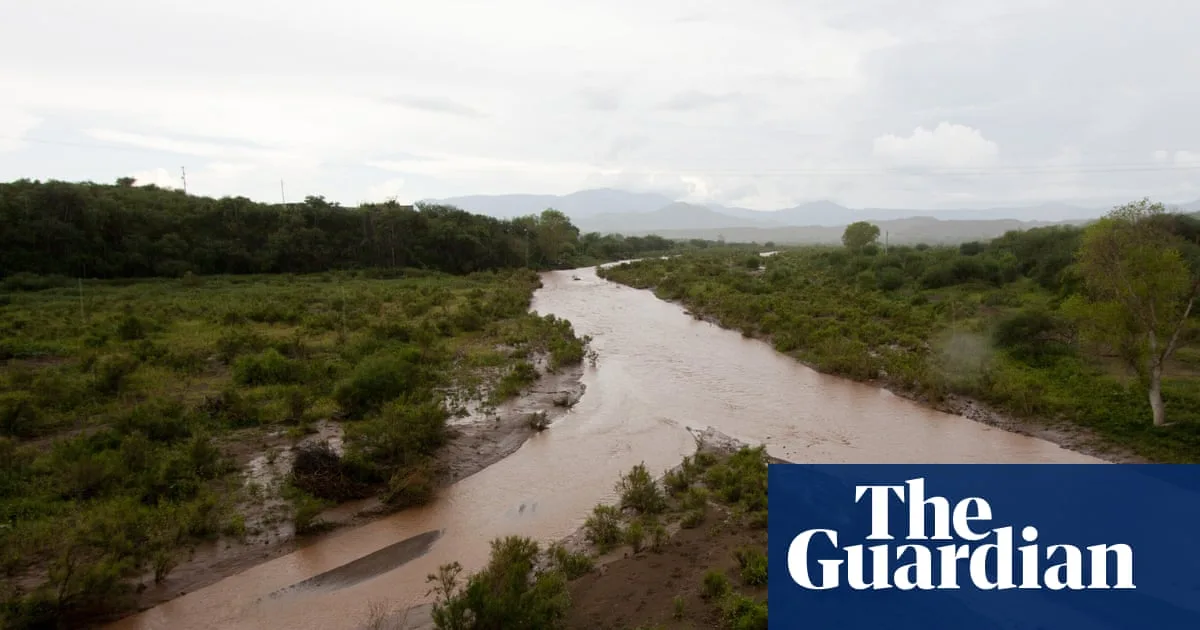
"Where standards are weak, what you get is legalized pollution," Orellana stated, adding that US overconsumption and economic activity are driving this crisis. He cited examples such as factories spewing hazardous waste into the Atoyac River in Puebla, industrial pig farms contaminating drinking water on the Yucatan peninsula, and a decade-old mining spill in Sonora that continues to affect health. In 2014, a copper mine leaked 40,000 cubic meters of sulfuric acid into the Sonora River, severely polluting the waterway and impacting local communities.

Wide Pickt banner — collaborative shopping lists app for Telegram, phone mockup with grocery list

Health Impacts and Community Struggles

Residents in affected areas are grappling with dire health consequences. In Monterrey, a major US manufacturing hub with some of the worst air pollution in North America, activists report that poor air quality has become a daily reality. María Enríquez, co-founder of the environmental group Comité Ecológico Integral, noted that residents suffer from rhinitis, eye irritation, and asthma attacks, with many learning to "live sick" due to respiratory illnesses.

Guadalupe Rodríguez, director of a childcare network in Monterrey, echoed these concerns, stating that constant coughing among children is considered normal. She urged the government to enforce Mexico's constitutional guarantee of a healthy environment, especially for vulnerable populations. Orellana emphasized this point, quoting one community member: "Living in a sacrifice zone means losing the right to die of old age."

Government Response and Regulatory Challenges

The Mexican government has acknowledged the need for stronger regulations. Mariana Boy Tamborrell, Mexico's federal attorney for environmental protection, described a regulatory "turning point," with plans to require industries to remediate environmental damage and implement a new air monitoring system in Monterrey to identify emission sources. However, Orellana warned that without stricter enforcement, economic pressures could worsen the toxic crisis.

He suggested that Mexico could adopt restrictions on hazardous waste imports, similar to measures taken by other countries to avoid becoming international waste destinations. Senator Waldo Fernández has introduced legislation to regulate waste imports more strictly, prohibiting materials that would have greater environmental impacts in Mexico than in their country of origin. Fernández asserted that Mexico "must not become a dumping ground for toxic waste."

Future Opportunities and Calls for Action

Orellana highlighted the upcoming review of the free trade agreement between Mexico, the US, and Canada as a key opportunity to strengthen environmental standards and enforcement. He stressed that failure to act could lead to intensified health and environmental burdens on Mexican communities. The rapporteur's visit, invited by the Mexican government, comes amid increasing scrutiny of toxic and hazardous waste in the country, with residents demanding action to reduce pollution from factories manufacturing goods for the US or recycling US waste.

As the crisis unfolds, the call for accountability and protection of human rights grows louder, underscoring the urgent need for comprehensive environmental reforms in Mexico.

Pickt after-article banner — collaborative shopping lists app with family illustration