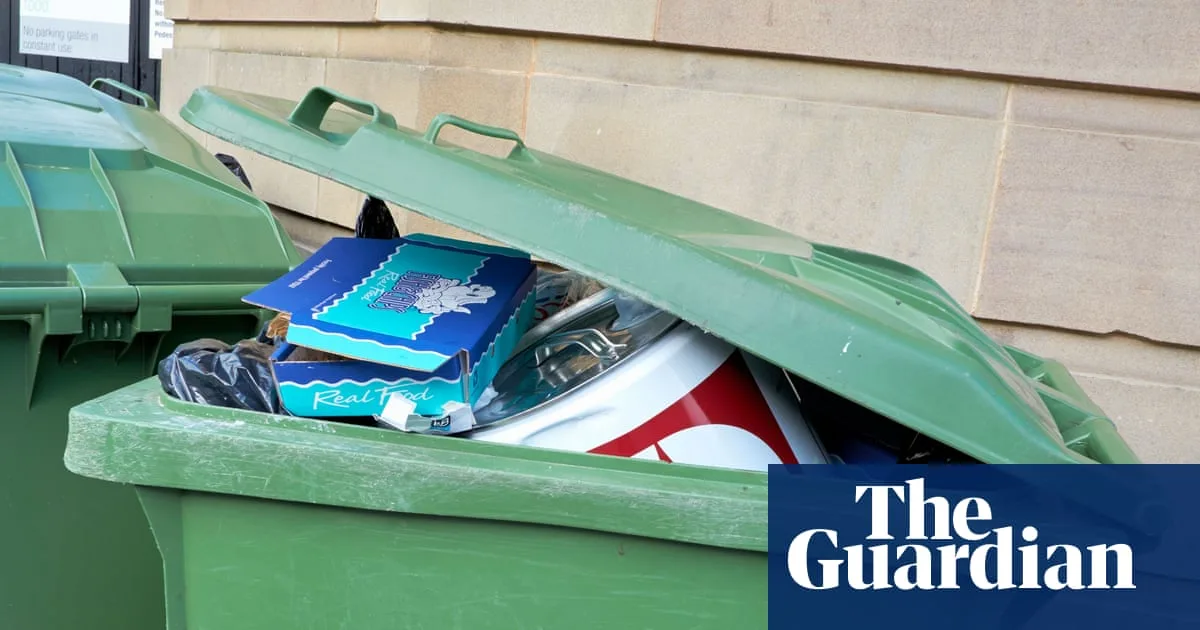
New UK Bin Rules Take Effect Today: Simpler Recycling Scheme Launches Nationwide
UK Bin Rules Change Today: Simpler Recycling Scheme Launches

Major Bin Rule Changes Take Effect Across England as Simpler Recycling Scheme Launches

The Government's long-awaited Simpler Recycling scheme has officially rolled out to households across England today, marking a significant shift in waste management policies designed to standardise collections and boost national recycling rates. This initiative, initially introduced for businesses in 2025 under the Department for Environment, Food and Rural Affairs (DEFRA), now extends to regular homes, aiming to streamline the country's recycling system and eliminate the so-called 'postcode lottery' that has caused confusion for years.

Standardised Collections Begin Nationwide

From March 31, local authorities are implementing uniform core recycling collections, requiring households to separate waste into four distinct categories. This move is expected to make recycling easier for millions of people, as observance has declined in recent years. The new system mandates the separation of food waste, paper and card, dry recyclables (including glass, metal, and plastic), and general rubbish, ensuring consistent practices across all regions of England.

Detailed Breakdown of Acceptable and Prohibited Items

Under the Simpler Recycling scheme, specific materials are excluded from standard household recycling collections. DEFRA has advised refuse collectors that certain items "you do not need to collect," which may surprise many residents accustomed to disposing of them with typical waste. The prohibited items include:

Wide Pickt banner — collaborative shopping lists app for Telegram, phone mockup with grocery list
  • Glass: Candles, drinking glasses, flat glass, glass cookware (such as Pyrex), light bulbs and tubes, microwave plates, mirrors, vases, window glass, and ceramics like crockery or earthenware.
  • Metal: Laminated foil (e.g., pet food pouches, coffee pouches), electrical items, batteries, general kitchenware (cutlery, pots, pans), kettles, irons, pipes, and metal packaging that contained white spirits, paints, engine oils, or antifreeze.
  • Plastic: Any plastic packaging or non-packaging items labelled as 'compostable' or 'biodegradable' (including coffee pods), plastic bottles with hazardous residues, bulky rigid plastics (garden furniture, bins, toys), polystyrene packaging, and polyvinyl chloride (PVC) packaging.
  • Paper and Card: Food and drinks cartons made of fibre-based composite (to be collected in the plastic stream), absorbent hygiene products (nappies, period products, incontinence products), cotton wool, makeup pads, tissue, toilet paper, and wet wipes.
  • Other Exclusions: Garden waste, animal bedding, bulky waste (fencing, furniture), garden tools, plant pots, plastic, sand, sawdust, stone, gravel, bricks, tea bags, coffee grounds, and oversized branches or trees that require cutting per local guidance.

Enforcement and Potential Fines

While no strict new enforcement rules accompany the Simpler Recycling changes, households can still face civil penalties for "incorrect presentation of household waste." This can result in a Fixed Penalty Notice ranging from £60 to £80, but only after a written warning is issued and if the incorrect presentation is deemed to be "causing a nuisance." Experts warn that councils may refuse to collect bins considered contaminated, potentially leading to disputes among neighbours and tensions with local authorities.

Legal Perspectives and Community Impact

Simarjot Singh Judge, managing partner at Judge Law, highlighted the risks of increased complexity in recycling systems. He stated, "Where recycling systems become more complex, there is always a risk of disputes arising, particularly if one household’s actions affect others." Mr Judge added that contaminated bins could lead to collection refusals, impacting multiple households and fostering complaints. To avoid rulebreaking, he recommends staying updated with local guidance and exercising extra care when sorting waste.

Pickt after-article banner — collaborative shopping lists app with family illustration

Government's Vision for a Unified System

The Government asserts that these new rules will finally end the 'postcode lottery' by establishing universal standards across England. A DEFRA spokesperson explained, "Citizens will be able to recycle the same materials across England, whether at home, work or school, and will no longer need to check what is accepted for recycling in their local area. A universal standard will ensure that everything that can be collected for household recycling is collected in every region." This initiative aims to reduce confusion and promote a more efficient, nationwide approach to waste management, supporting environmental sustainability goals.