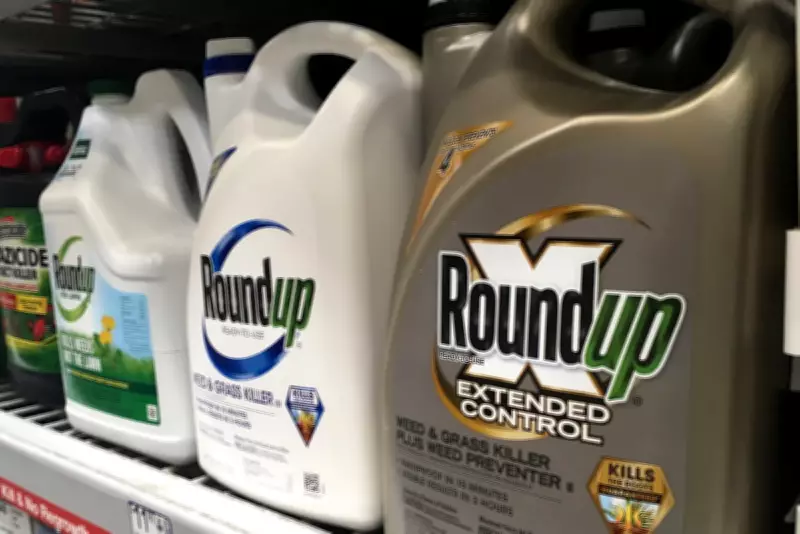
Trump Executive Order Shields Glyphosate Herbicide Amid Cancer Lawsuits
Former President Donald Trump has signed an executive order aimed at protecting the production of glyphosate-based herbicides, including the widely used Roundup. This move comes as these chemicals face a barrage of lawsuits in the United States, with numerous studies and bodies, such as the World Health Organization, linking them to cancer and other health issues.
National Security Justification and Backlash
The order, dated 18 February, invokes authority under the Defense Production Act, asserting that ensuring robust domestic production of elemental phosphorus and glyphosate-based herbicides is central to American economic and national security. It specifically cites threats to food-supply security and military defense needs. However, the order does not disclose the health concerns associated with glyphosate, which have been highlighted in independent research.
Health and environmental advocates, including members of the Make America Healthy Again (Maha) coalition, have strongly criticized the decision. Vani Hari, a food activist and Maha leader, described the order as "a dangerous misdirection" that prioritizes corporate interests over public health. Similarly, Kelly Ryerson, another Maha figure, called it an insult to supporters who expected action on pesticide safety.

Legal and Corporate Context
Bayer, the maker of Roundup, is currently facing tens of thousands of lawsuits alleging that its glyphosate herbicides cause cancer and that the company failed to warn users. Since acquiring Monsanto in 2018, Bayer has paid billions in settlements, including a proposed $7.25 billion class action settlement to address future claims. The company has warned it may cease glyphosate production for the U.S. agricultural market if litigation relief is not found.
The executive order includes a clause conferring immunity under section 707 of the Defense Production Act, shielding domestic producers from liability for compliance. Bayer issued a statement supporting the order, emphasizing the need for U.S. farmers to access essential crop protection tools, while maintaining that its products do not cause cancer.
Political and Regulatory Implications
Robert F. Kennedy Jr., appointed by Trump as Secretary of Health and Human Services and head of a Maha commission, has a history of criticizing glyphosate. In response to the order, Kennedy stated it "puts America first where it matters most – our defense readiness and our food supply." However, critics like Lori Ann Burd of the Center for Biological Diversity labeled it "a sickening love letter from Trump to the largest pesticide companies," accusing him of neglecting public health.
Bayer is actively seeking legal protections, including pushing for state laws and a Supreme Court hearing on 27 April regarding federal preemption of failure-to-warn lawsuits. This ongoing battle underscores the tension between agricultural interests, corporate accountability, and health advocacy in U.S. policymaking.