SNP Ministers Face Potential Legal Action After Blocking Loch Lomond Theme Park
Scottish Government ministers are confronting the possibility of legal proceedings after rejecting one of the most unpopular planning applications in Scottish history. The SNP administration yesterday blocked theme park operator Flamingo Land's ambitious £43 million proposal for a comprehensive holiday park development at Loch Lomond.
Environmental Concerns Trump Economic Benefits
In their detailed decision, ministers cited significant flood risks and the 'unique nature' of the National Park site as primary reasons for refusal. The proposed 'Lomond Banks' scheme, which included a waterpark, hotel, lodges, and restaurants, had generated substantial controversy throughout its lengthy planning process.
The developers now have a six-week window to initiate legal proceedings against the Scottish Government's decision. Jim Paterson, Development Director for Lomond Banks, expressed 'extreme disappointment' with the outcome and confirmed they would 'carefully review the decision in full and consider our options.'

Massive Public Opposition and Political Reactions
More than 150,000 objections were registered during the protracted battle over the controversial development plan. This overwhelming public opposition played a crucial role in the final decision, according to political observers.
Scottish Green co-leader Ross Greer, who had been the most vocal critic of the project at Holyrood, celebrated the decision as a victory for public activism. 'Today's decision would not have happened without the 155,000 people objecting to these daft plans,' Greer stated. 'This is their victory.'
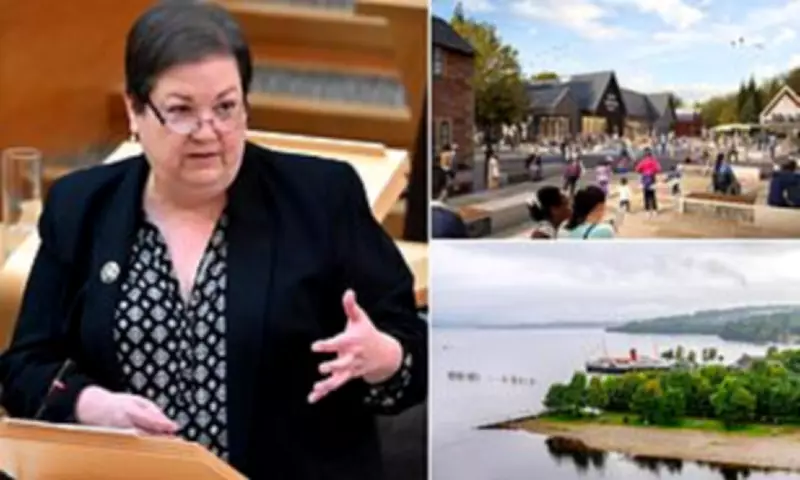
Local MSP Jackie Baillie, whose Dumbarton constituency includes the proposed development site, welcomed the government's intervention. 'It has long been clear that the proposal was flawed and it was rejected by the overwhelming majority of my local community,' Baillie remarked. 'The Scottish Government has finally taken the right decision.'
Planning Process Controversy and Reversal
The planning journey for Lomond Banks has been particularly contentious. In 2024, the board of the Loch Lomond & The Trossachs National Park Authority unanimously rejected the application. However, a Scottish Government planning reporter subsequently granted permission on appeal last year.
This approval prompted SNP ministers to 'call in' the proposal for further consideration following significant public backlash. In their final decision, ministers described it as a 'finely balanced decision' that weighed potential economic benefits against substantial environmental concerns.
Ultimately, they concluded the Lomond Banks scheme did not comply with the local development plan, highlighting 'substantial concerns relating to flood risk, the extent and location of woodland loss and gain, and the unique nature of the site, including its sensitive and prominent location within the National Park.'
National Park Authority Welcomes Decision
Heather Reid, convener of Loch Lomond & The Trossachs National Park Authority, expressed strong support for the government's ruling. 'We very much welcome this decision, which largely vindicates and aligns with key conclusions reached by both our planning officers' recommendation and our board in its unanimous refusal of this application,' Reid stated.
Reid also noted the remaining six-week period during which the applicant or third parties could seek legal challenge to the decision, highlighting the ongoing uncertainty surrounding the project's future.
Economic Implications and Developer Response
The developers argued that the rejection represents a significant setback for Scottish tourism and local employment opportunities. 'Today's outcome is dismissive of the reporter's recommendation and flies in the face of what this area was earmarked to accomplish,' Paterson contended. 'This is bad news for Scottish business and tourism as a whole, not to mention the local people who will now miss out on jobs.'

The decision marks a significant victory for environmental campaigners and local residents who had mobilized against what they viewed as inappropriate development within one of Scotland's most cherished natural landscapes. However, it also raises questions about future investment in Scottish tourism infrastructure and the balance between economic development and environmental protection in sensitive areas.