Democratic Senators Launch Inquiry into EPA's Repeal of Key Air Pollution Enforcement Measure
More than three dozen Democratic senators have commenced an independent investigation into the US Environmental Protection Agency (EPA) following a significant regulatory shift that alters how the agency assesses the health benefits of reducing air pollution. This change is widely perceived as a major setback to national efforts to combat the climate crisis.
EPA's Controversial Decision on Health Benefit Valuations
In a regulatory impact analysis, the EPA announced it would cease assigning a monetary value to the health benefits associated with regulations targeting fine particulate matter and ozone. The agency justified this move by arguing that the estimates contain excessive uncertainty. Previously, the EPA quantified the benefits of cleaner air in dollar terms, incorporating outcomes such as fewer premature deaths and reduced illnesses, including asthma attacks.
The 2009 endangerment finding, which determined that greenhouse gases pose a threat to public health and welfare, provided the legal basis for the EPA to control planet-heating pollution. By revoking this finding on Thursday, officials effectively dismantled the framework enabling government regulation of such emissions.
Senators' Criticism and Demands for Transparency
The senators have criticized the updated policy as "particularly troubling" and asserted that the repeal "destroys that framework and results in a failure to faithfully execute EPA's statutory mandate to protect human health", according to a letter sent to the EPA on Thursday. The inquiry is spearheaded by Sheldon Whitehouse, the ranking member of the Senate Committee on Environment and Public Works.
Lawmakers have requested that the EPA provide documents and detailed explanations regarding its decision-making process by 26 February. Key questions from Senate Democrats include:
- The reasoning behind the EPA's move to revoke the endangerment finding.
- The factors the agency will consider when implementing Clean Air Act rule-making.
- Whether the EPA plans to stop quantifying health effects for other pollutants.
- Whether any external parties, such as the Secretary of Health and Human Services, the US Surgeon General, or public health specialists, were consulted.
Trump's Announcement and Broader Environmental Rollbacks
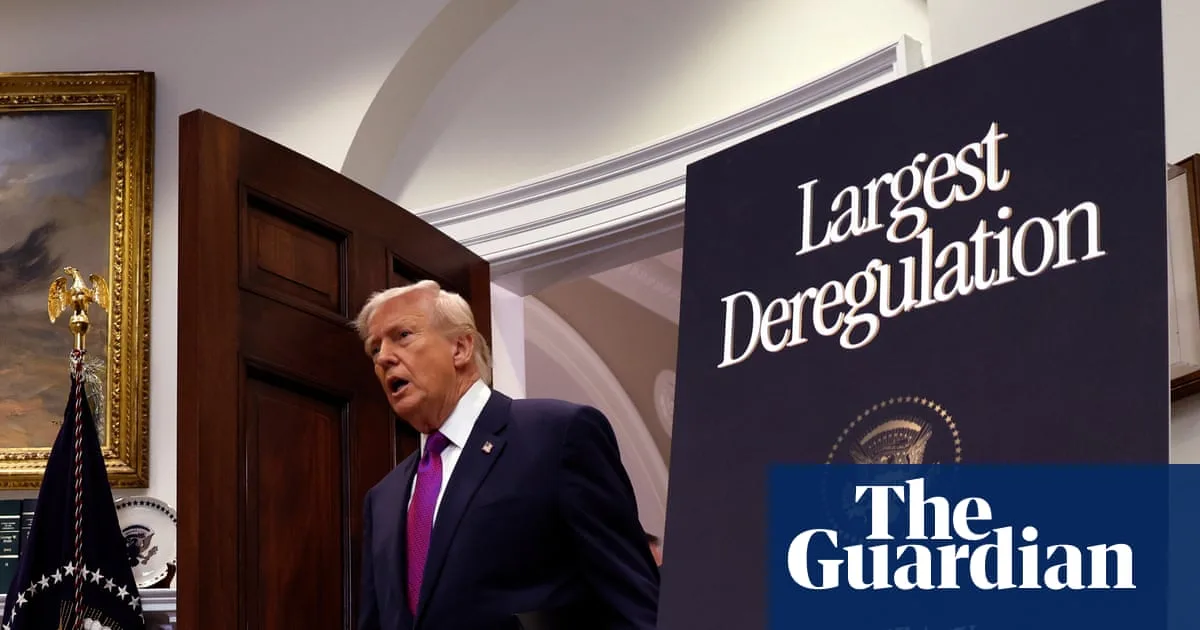
Donald Trump arrived at a press conference on 12 February 2026 at the White House to announce the revocation of the EPA's 2009 endangerment finding. He described the finding as "the basis for the green new scam" and dismissed environmental concerns, stating, "Don't worry about it." Trump further claimed, "This has nothing to do with public health. This is all a scam, a giant scam."
Since returning to office in January, the Trump administration has aggressively rolled back pollution regulations and promoted fossil fuel production. Critics argue that this anti-environmental agenda primarily benefits the president's donors from the fossil fuel industry.
Reactions from Climate Advocates and Scientists
Trump's decision has drawn widespread condemnation from climate scientists and advocates focused on environmental protection, public health, and economic justice. In response to allegations that the administration ignored scientific recommendations, Whitehouse wrote on X, "It is literally zero surprise that they knew their hand-picked climate deniers weren't putting out real science. Their nonsense has never been real, but part of a fraudulent propaganda campaign, designed by fossil fuel to protect its 'free-to-pollute' business model."
This repeal is part of Trump's broader attacks on US climate policy, which have sparked intense debate over the balance between regulatory oversight and economic interests in environmental governance.