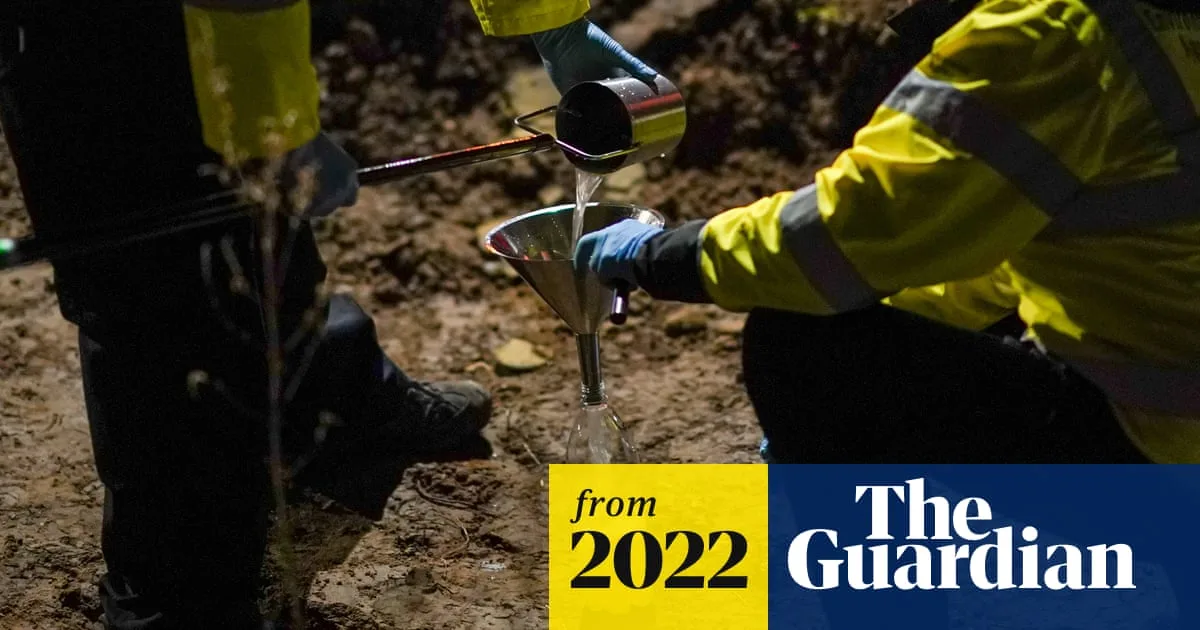
A leaked internal report has revealed that the Environment Agency (EA) downgraded 93% of prosecutions for serious pollution incidents in England between April 2016 and December 2020, despite frontline staff recommending the highest sanction. The document, seen by the Guardian, shows that out of 495 serious incidents involving river and coastal water pollution and waste crimes, only 35 cases were taken forward to prosecution.
Investigating officers recommended prosecution in all cases, but managers intervened to downgrade most to lower sanctions such as warning letters, or to drop them entirely. For the highest category of waste pollution, including cases linked to serious organised crime, only 4% of 386 recommended prosecutions were pursued. For serious water pollution incidents, such as illegal sewage discharges by water companies, just 19% of 109 recommended cases led to prosecution.
The report supports claims that EA cutbacks have undermined its ability to act as a deterrent. Recent instructions to staff, previously reported by the Guardian, tell them to ignore lower-level category 3 and 4 incidents. However, the internal report notes that most waste offences fall under these categories, meaning even those involving organised crime would no longer be investigated. It warns that the agency 'cannot underestimate the significance' of these downgrades, as many involve chronic impacts from priority offenders with enforcement histories.

Campaign group Fish Legal highlighted a case where building rubble dumped into a River Tamar tributary was initially classed as category 2, then downgraded to category 3 without inspection, resulting in only a warning letter. An EA spokesperson declined to comment on the leaked document but stated that all incidents undergo robust assessment and that prosecution is pursued where appropriate, citing a 90% success rate and recent fines such as £90 million.