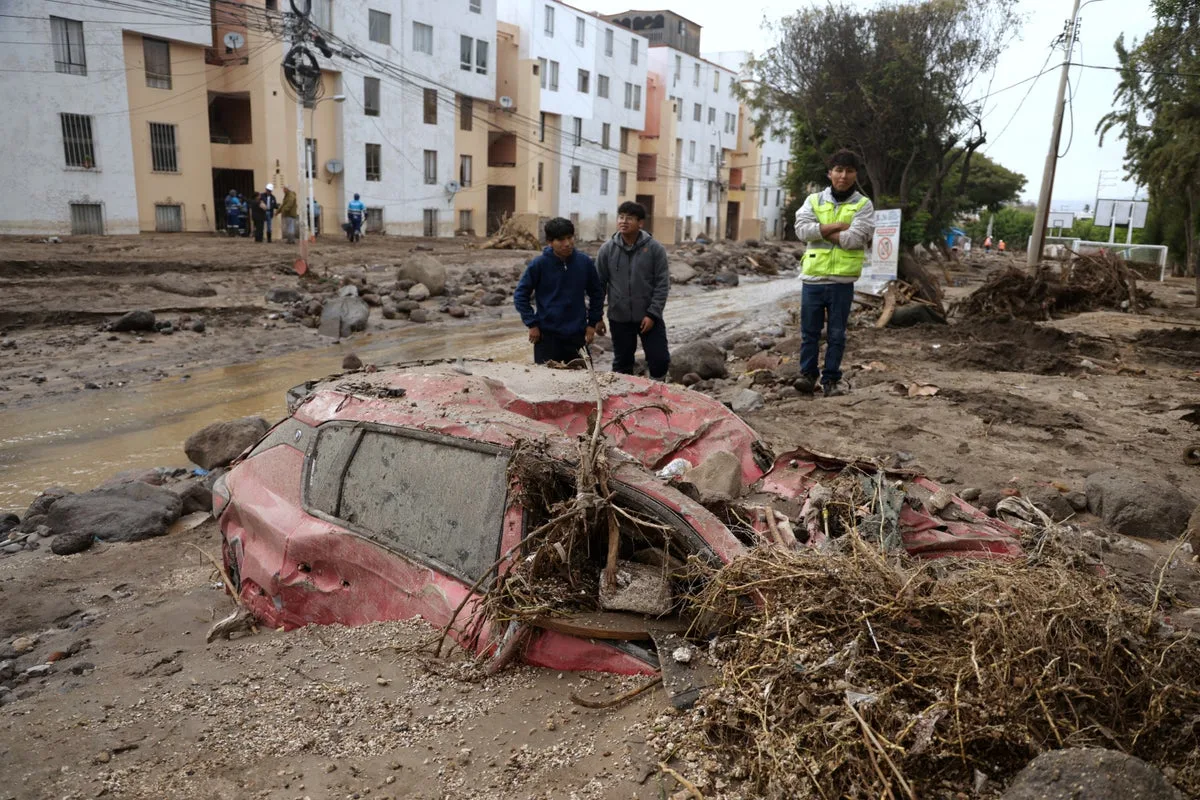
Peru has declared a state of emergency for more than 700 districts following severe rainfall, landslides and flooding linked to the El Niño Costero climate phenomenon. The decree, signed by interim President José María Balcázar, aims to fast-track funding for local authorities to secure vital infrastructure, including bridges, roads, water and electricity supplies.
The emergency covers districts across the Pacific coast, the Andes and the Amazon. President Balcázar only swore in his Cabinet on Tuesday, ending a period without ministers that began on 17 February after the removal of his predecessor, José Jerí, who faces a corruption investigation.
Peru's transport ministry reported that around 931 kilometres of roads have been damaged nationwide, with destruction concentrated in the four hardest-hit regions. These routes serve more than half a million people each week.

Authorities have updated the death toll to 68 since December. Recent victims include a father and son swept away by a landslide in Arequipa, and a police officer in Lima who drowned while trying to rescue a dog trapped by floods.
Pacific waters are warming, and the El Niño Costero is expected to strengthen slightly in March, leading to higher evaporation rates, extreme rainfall and increased river flows.