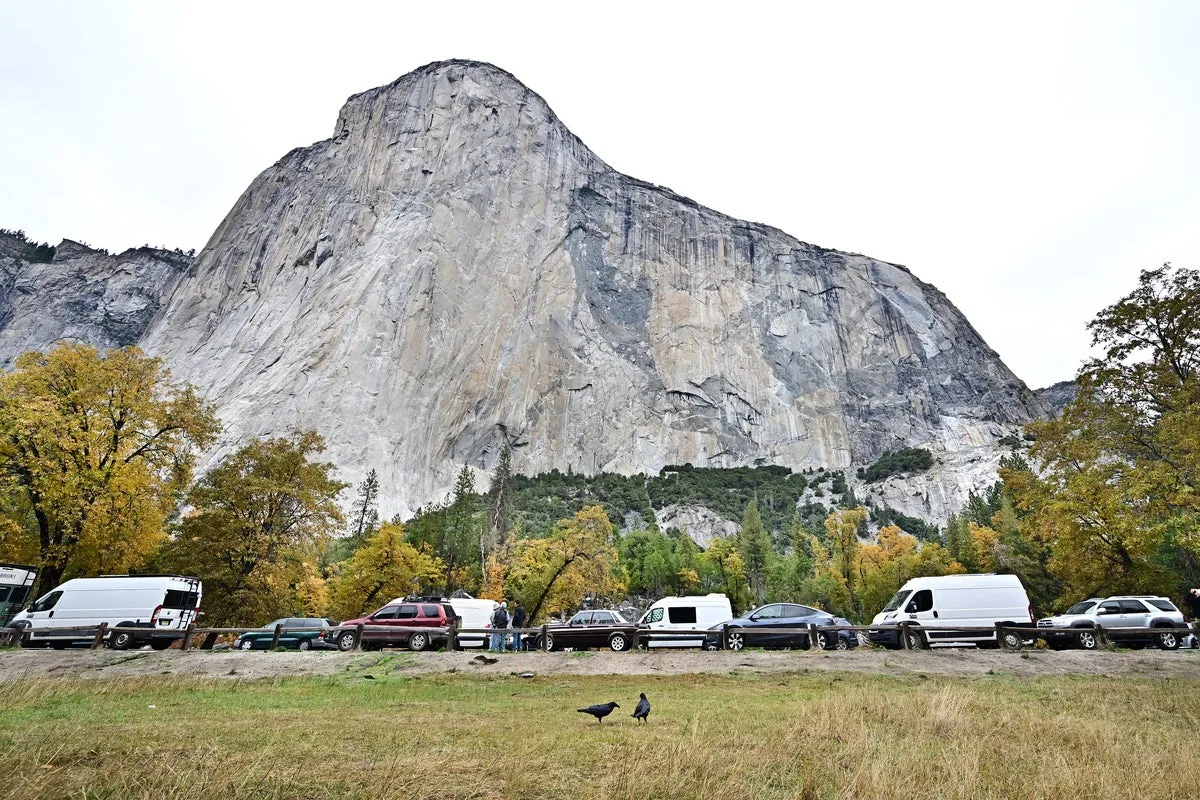
US National Parks Scrap Reservation Systems at Arches, Glacier, and Yosemite
National Parks End Reservation Requirements for Summer Access

National Parks Service Abandons Reservation Mandates to Boost Visitor Numbers

The National Park Service (NPS) has confirmed it will eliminate reservation requirements at three of America's most frequented natural sites this summer, marking a significant shift from policies introduced during the Covid-19 pandemic. Arches National Park in Utah, Glacier National Park in Montana, and Yosemite National Park in California will no longer enforce timed-entry or vehicle reservation systems, aiming to enhance public access during peak seasons.

Administration Prioritises Open Access Over Crowd Control

Kevin Lilly, the acting assistant secretary for fish, wildlife and parks, emphasised the administration's commitment to keeping national parks accessible. "Our national parks belong to the American people, and our priority is keeping them open and accessible," he stated. "We're expanding access where conditions allow and using targeted tools only where necessary to protect visitor safety, maintain emergency access and preserve these extraordinary places for future generations." To facilitate this change, seasonal workforce numbers will be increased to manage visitor flow effectively.

The reservation systems were initially implemented to reduce overcrowding and protect park resources during the pandemic, a move that sparked mixed reactions. While some outdoor enthusiasts supported the measures for improving safety and reducing traffic, local business owners criticised them for deterring tourism. Cassidy Jones, a visitation program manager with the National Parks Conservation Association, noted, "In our view, [timed-entry reservations] have really made a meaningful difference in people's visitor experiences. It creates safer conditions, protects resources and typically helps with traffic issues."

Specific Changes Across Key Parks

Under the new policy, Arches National Park will discontinue its time entry reservation system, encouraging visitors to arrive early and explore less-crowded areas. Glacier National Park will remove park-wide vehicle reservations for 2026 but maintain congestion management in high-demand corridors. Yosemite National Park, which attracted approximately 4 million visitors in 2024, will phase out reservations even during its busiest months, relying instead on real-time traffic management and additional seasonal staff.

However, not all parks are abandoning reservation protocols. Rocky Mountain National Park in Colorado will retain its timed entry system from May to October, indicating a tailored approach based on local conditions and visitor patterns.

Broader Context of Recent NPS Reforms

This policy adjustment is part of a series of changes within the national parks system following President Donald Trump's inauguration last year. In December, NPS revised its list of free entrance days, replacing Martin Luther King Jr. Day and Juneteenth with June 14, which coincides with Flag Day and Trump's birthday. Additionally, in January, Trump officials directed parks to remove or update signage related to climate change and Native American history, aligning with an executive order titled "Restoring Truth and Sanity to American History."

Despite these reforms, the NPS has faced challenges, including a significant reduction in permanent staff. Reports indicate a loss of roughly 25 percent of its workforce since Trump returned to office, potentially impacting operational capacity as parks prepare for increased visitor numbers without reservation systems.




