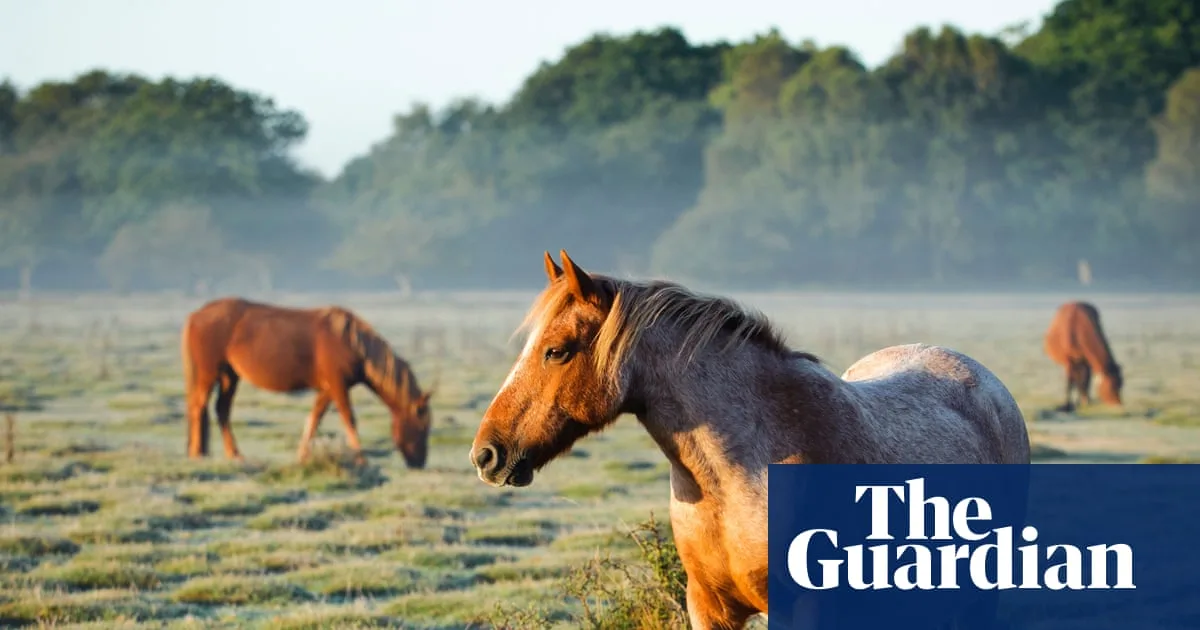
Italy could soon ban horse meat as part of a draft law that would define horses, donkeys, and mules as pets, making it illegal to slaughter them. The bill, proposed by Michela Vittoria Brambilla of the ruling Noi Moderati party, has cross-party support and would impose jail terms of up to three years and fines of up to €100,000 (£87,000) for violations.
Horse meat has long been part of Italian cuisine, particularly in regions such as Puglia, Campania, Sicily, Lombardy, Veneto, and Emilia-Romagna. Although consumption has declined over the past decade, Italy remains one of Europe's largest importers and consumers of horse meat. The bill also includes mandatory microchipping, a national monitoring system, and a €6m fund to help breeders transition their businesses.
Brambilla, who also heads the animal rights group Leidaa, said: 'We’re in the 21st century and yet equines continue to be exploited in a wide variety of ways. Horses in particular … while in the Anglo-Saxon world, eating horse meat is almost inconceivable, in our country the species is literally exploited to the bone. But friends are not to be eaten.' She described the proposal as 'an extraordinary opportunity to bring about a cultural shift.'

However, the bill has faced opposition from some politicians. Gian Marco Centinaio, a former agriculture minister from the far-right League, argued that banning horse meat 'would mean erasing a piece of the history of Italian cuisine' and the identity of certain regions. Dario Damiani of Forza Italia said the proposal ignored regional gastronomic traditions and would threaten jobs and businesses in the 'traditional economic chain.'
A recent survey found that 83% of Italians do not eat horse meat, while 17% consume it at least once a month, reflecting a cultural shift driven by ethical concerns and growing empathy towards animals.