Indonesia Landfill Collapse Kills Five, Exposes Waste Crisis

Indonesia Landfill Collapse Kills Five, Exposes Waste Crisis

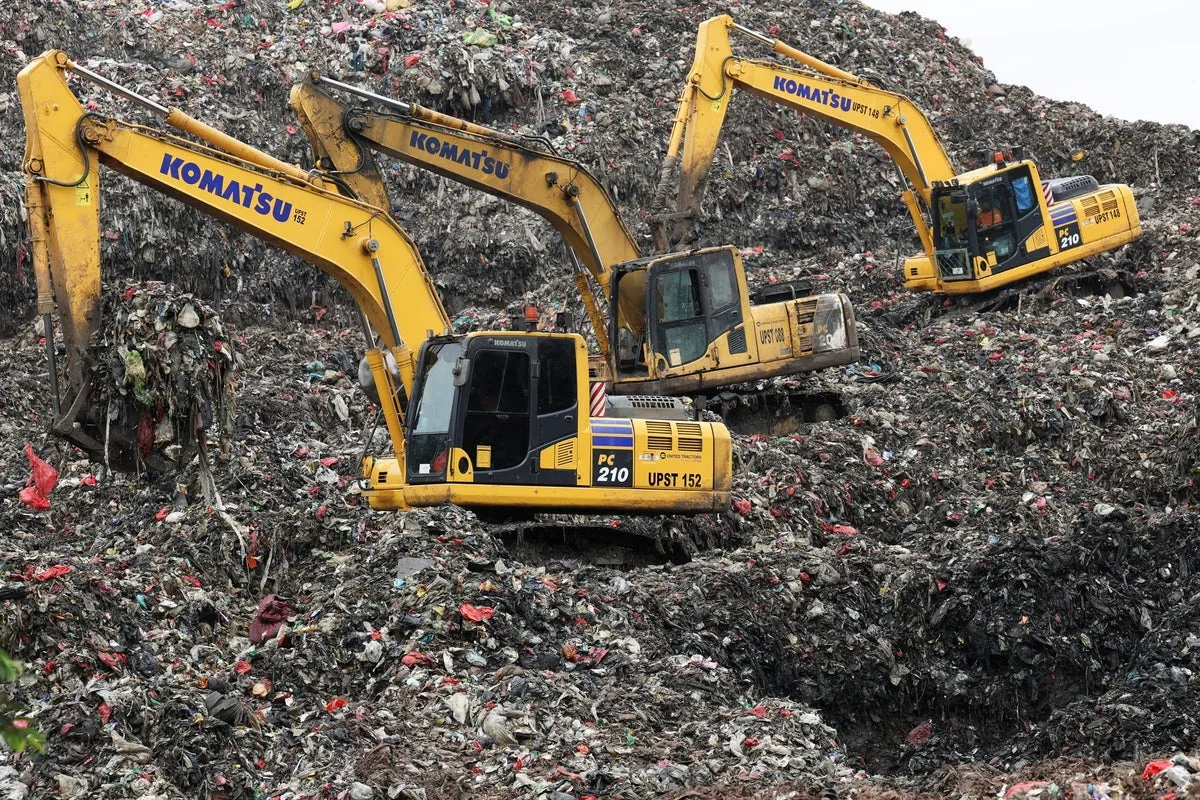
Rescuers are searching for survivors through unstable heaps of waste after a massive garbage landslide at Indonesia's largest landfill killed at least five people. Heavy rainfall on Sunday triggered the avalanche at the Bantargebang landfill in Bekasi, West Java, just outside Jakarta, authorities confirmed on Monday.

Rescue Efforts Underway Amid Unstable Conditions

Many workers were at the site and several trucks were unloading garbage when the collapse occurred at 2.30pm on Sunday. Another four people are feared missing, with a search and rescue operation launched involving over 300 personnel using heavy machinery and sniffer dogs to locate those trapped under the mound of waste, according to Desiana Kartika Bahari, head of Jakarta's Search and Rescue Office.

Rescuers, including police, soldiers, and volunteers, are working cautiously amid unstable heaps of waste and ongoing rain. Bahari stated, "It was raining all day, even from Saturday evening, and the mountain of garbage was unstable." The victims included two bin lorry drivers and two food stall vendors who had been working or resting near the landfill, while four others managed to escape.

Minister Warns of Systemic Failures

Indonesia's environment minister Hanif Faisol Nurofiq described the landfill as "the tip of the iceberg" of Jakarta's failed waste management system, which has accumulated around 55 million tonnes of rubbish over 37 years. He said, "We must address the root of Jakarta's waste problem so there are no more victims," after inspecting the landslide site on Monday.

The minister warned that the deadly incident should serve as a warning to the Jakarta Provincial Government to immediately end open dumping, a practice that violates a 2008 ban and threatens safety. He noted that open dumping increases landslide risks and contributes to severe environmental pollution, adding, "This incident should not have happened if waste management had followed regulations."

Scale of the Landfill and Historical Context

The Bantargebang landfill, one of the world's largest open dumps, spans about 110–120 hectares – roughly the size of over 200 football fields – and receives between 6,500 and 8,000 tonnes of waste daily. It holds up to 55 million tonnes of trash, with compacted garbage forming "mountains" rising up to 50 metres high.

Officials have launched an investigation and pledged strict law enforcement to prevent further tragedies. Last month, Prabowo Subianto announced a $3.5bn investment to build 34 waste-to-energy plants within two years, warning that most Indonesian landfills could exceed capacity by 2028. This disaster echoes a 2005 landfill explosion in West Java that claimed 143 lives due to methane gas and heavy rain.