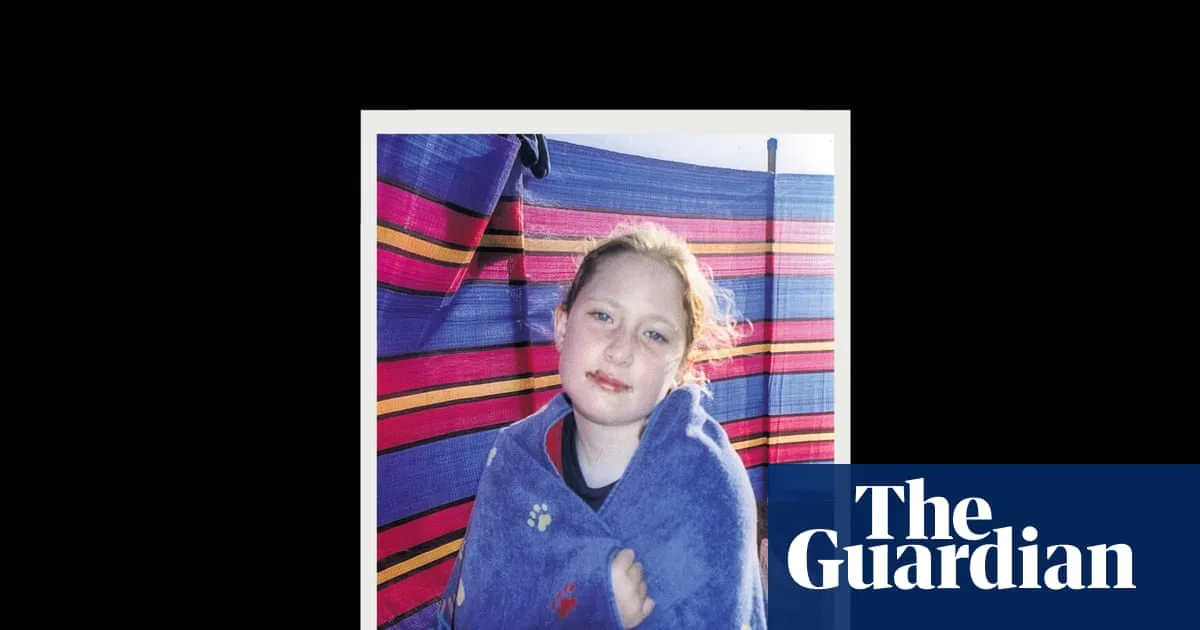
In 1999, eight-year-old Heather Preen died after contracting E. coli O157 on a Devon beach. Her mother, Julie Maughan, has now spoken out as a new Channel 4 drama highlights the ongoing sewage crisis. Maughan described the loss as 'a bomb going off under our family,' adding that her marriage did not survive the grief and her ex-husband later took his own life.
The drama, titled 'Dirty Business,' aims to spark public anger over water companies' illegal dumping of raw sewage. It features actors Jason Watkins and David Thewlis as 'sewage sleuths' who uncovered widespread dumping using hidden cameras and AI. The series also includes whistleblower testimonies and shows how privatisation and deregulation led to a decline in water quality.
Maughan recalled the family holiday to Dawlish Warren in July 1999, where Heather's foot touched water from a sewage outlet. She later developed severe diarrhoea and died within two weeks. Maughan said she felt her daughter had been forgotten, but hopes the drama will bring accountability. In 2024 alone, water companies discharged raw sewage into England's waterways for 3.61 million hours.