
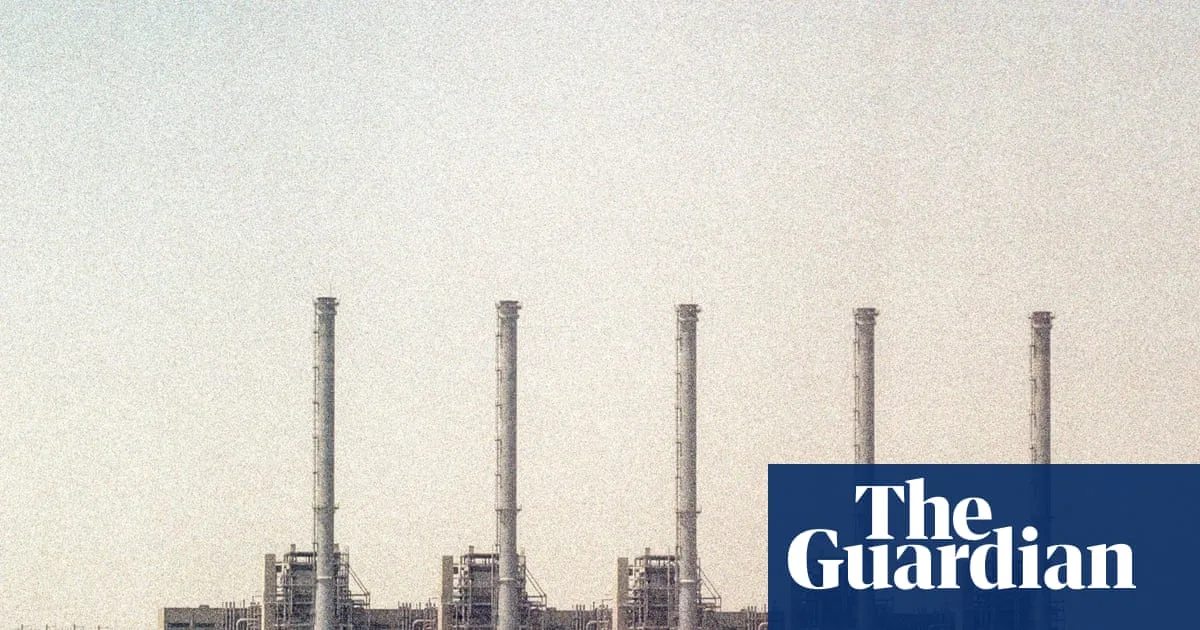
The Gulf's heavy dependence on desalinated water has long been identified as a critical vulnerability, with recent attacks on plants in Iran and Bahrain raising fears of escalating strikes on essential infrastructure. A 1983 CIA assessment warned that successful strikes on multiple desalination plants could trigger national crises and civil unrest, identifying Iran as the primary threat. However, analysts suggest that Iran's own severe water stress from drought may be deterring retaliation.
In the latest incidents, Iran accused the US of attacking a desalination plant on Qeshm Island, while Bahrain reported its own plant hit by what it called Iranian aggression. The US denied responsibility. Since then, no further attacks on desalination plants have occurred, leading experts to speculate about strategic restraint given the humanitarian consequences of targeting civilian water infrastructure.
Desalination provides the majority of drinking water in Gulf states: 70% in Saudi Arabia, 86% in Oman, 42% in the UAE, and 90% in Kuwait. Israel also relies on desalination for half its potable water. The Middle East accounts for roughly 40% of global desalinated water production, supplying nearly 29 million cubic metres daily. Many cities depend on a small number of large coastal plants, making them vulnerable to disruption that could lead to rationing within days.
Environmental risks also arise from attacks, as damage could release chemicals like sodium hypochlorite, ferric chloride, and sulfuric acid. Nima Shokri of Hamburg University of Technology noted that targeting desalination plants could quickly create water shortages and that the plants are not easily repaired. However, Iran faces its own water crisis, with drought exacerbated by climate change, which may explain the halt in retaliatory strikes.
Shokri suggested that escalating strikes on water systems could trigger international condemnation. In 1983, the CIA noted that Tehran had promised not to attack Arab neighbours' desalination plants, but whether that assurance still holds remains uncertain amid ongoing tensions.




