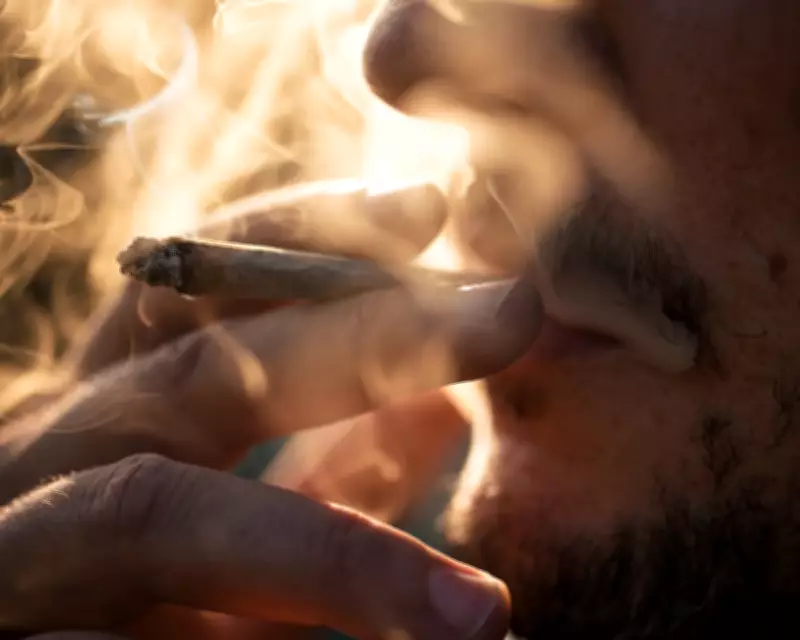
German Cannabis Legalisation: Two Years On, Debate Rages Over Impact
It was a landmark piece of legislation passed by Germany's previous, centre-left-led government: a measure that legalised personal recreational cannabis use for adults over 18, despite warnings from critics about potential spikes in usage, especially among teenagers, and benefits for criminal gangs. Two years later, the controversy remains unresolved, with proponents and critics fiercely divided over its consequences for consumption patterns, youth welfare, and organised crime networks.
Mixed Findings from Preliminary Study
Preliminary results from an ongoing study into the policy's effects, released recently, present a nuanced picture, providing ammunition for both sides of the argument. Researchers from three major German universities found that consumption from legal sources is gradually increasing, thereby slowly squeezing out the underworld trade. Jörg Kinzig, a criminology professor at the University of Tübingen, stated, Based on all our research and surveys, we assume that the black market has declined. However, the study also noted that an increase in overall consumption attributable to the reform is not yet apparent.
Political Reactions and Divisions
MPs Carmen Wegge and Christos Pantazis of the centre-left Social Democrats (SPD) hailed the findings, asserting that partial legalisation is the correct approach. They emphasised that feared negative impacts on public health and consumption have not materialised, with youth consumption declining and burdens on police and judiciary reduced. In contrast, Health Minister Nina Warken of the conservative Christian Democratic Union (CDU), which opposed the legislation and now leads the government, labelled the relaxed cannabis policy a mistake. She highlighted a sharp decline in early intervention programmes for young people, warning that ignoring this endangers youth health.

Legislative Details and Challenges
Enacted on 1 April 2024 after intense debate, the legislation allows individuals to grow up to three plants for private use and possess 50g at home or 25g in public. Aimed at legalising existing adult habits and curbing underground trade, it faced opposition from the CDU and Christian Social Union (CSU). Interior Minister Alexander Dobrindt of the CSU criticised the law as harmful to young people and encouraging crime, claiming it has boosted the black market and crime rates. Despite pledges to repeal it, coalition dynamics with the SPD have prevented action.
Market Dynamics and Regulatory Hurdles
The study estimates Germany's total annual cannabis demand at 670 to 823 tonnes, with about 5 million occasional users. Non-commercial growing associations, or cannabis clubs, play a minor role in displacing the black market due to complex licensing requirements; only 3.5% of consumers sourced weed from these clubs last year. Kinzig recommended relaxing eligibility criteria to enhance legal access. Wegge and Pantazis warned that organised crime persists in regions like Bavaria, where clubs are blocked, stressing that clubs are essential for safe, controlled supply and crime reduction.
Youth and Legal Complexities
Early intervention programmes for youth have declined, possibly due to fewer criminal charges, yet youth consumption has fallen steadily since 2019. Police report difficulties prosecuting illegal trade amid regulatory complexities, while judges welcome reduced caseloads. Many Germans obtain recreational marijuana via doctor's prescriptions through online pharmacies, a loophole the government is addressing. The study also revealed Germany has Europe's largest legal medical marijuana market, with imports surging nearly 200% to 200 tonnes last year, often high in THC.
Future Outlook
The final report is due in April 2028, guiding the government's decision on the CDU/CSU's push to abolish the legislation. As debates continue, the path forward remains uncertain, balancing public health concerns with efforts to undermine criminal enterprises.