Fly-Tipping Incidents in England Reach Record High
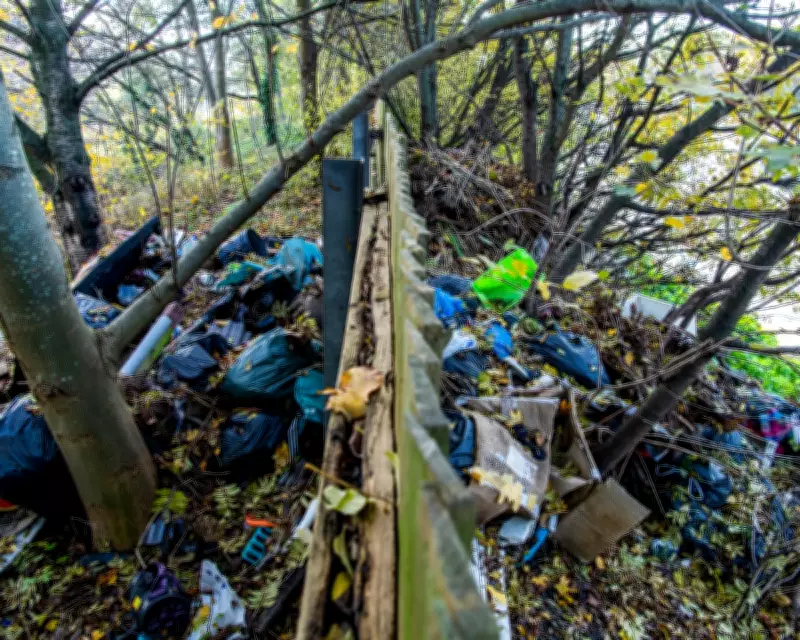
Fly-tipping across England has soared to an unprecedented level, with new data revealing a sharp increase in illegal waste dumping incidents. Councils nationwide are grappling with the escalating crisis, which imposes significant financial burdens and environmental damage on local communities.
Surge in Illegal Waste Dumping
The latest statistics indicate that fly-tipping cases have reached a record high, marking a concerning trend in environmental degradation. This surge is attributed to various factors, including reduced waste disposal services, economic pressures, and lax enforcement in some regions. The problem spans urban and rural areas alike, with hotspots emerging in both densely populated cities and remote countryside locations.
Impact on Local Councils and Communities
Local authorities are bearing the brunt of this issue, facing mounting costs for cleanup operations and legal proceedings. Many councils report that their resources are stretched thin, as they struggle to keep pace with the rising number of incidents. The financial toll includes expenses for removing dumped waste, investigating offenders, and implementing preventive measures, which divert funds from other essential public services.

Environmental and Social Consequences
Beyond the economic impact, fly-tipping poses severe environmental risks, such as soil contamination, water pollution, and harm to wildlife. Socially, it blights landscapes, reduces property values, and undermines community well-being. Residents often express frustration over the unsightly and hazardous nature of dumped waste, calling for stronger action from authorities.
Challenges in Enforcement and Prevention
Enforcement remains a key challenge, with many fly-tippers evading detection due to the covert nature of the activity. Councils are employing strategies like increased surveillance, public awareness campaigns, and partnerships with law enforcement to combat the problem. However, limited funding and legal hurdles often hinder effective prosecution, leading to low conviction rates for offenders.
Future Outlook and Calls for Action
Experts warn that without robust intervention, fly-tipping could continue to rise, exacerbating environmental and economic strains. There are growing calls for stricter penalties, better waste management infrastructure, and enhanced cross-agency cooperation to address the root causes. As England confronts this record-high issue, the need for a comprehensive and sustainable solution becomes increasingly urgent.