Political Proposals for Australian Fuel Crisis Face Expert Criticism
As Australia confronts a severe fuel crisis marked by soaring prices and supply pressures, political figures have floated various solutions, but experts argue these measures fall short of addressing the core issue: the nation's heavy reliance on fossil fuels. Instead of promoting sustainable alternatives, proposals from opposition and government officials risk entrenching environmental harm and economic inefficiency.
Coal-to-Liquid Fuel: A Costly and High-Emission Option
Andrew Hastie, the opposition spokesperson for sovereign capability, advocates for producing liquid fuels from coal, citing Australia's abundant coal reserves as a strategic asset in times of war or crisis. This process, known as the Fischer-Tropsch method, was historically used in Germany during World War II and in apartheid-era South Africa under sanctions.
However, Professor Michael Brear from the University of Melbourne highlights significant drawbacks. Establishing coal-to-liquid refineries would require a massive, complex industry with long lead times, making it impractical for immediate relief. More critically, the life-cycle emissions from such fuels could double those of conventional petrol or diesel, exacerbating climate change. Economically, selling coal directly is more profitable than converting it into fuel, undermining the financial rationale.

Fuel Excise Cuts: Subsidising Car Reliance
Prime Minister Anthony Albanese has announced a temporary halving of the fuel excise, reducing costs by 26.3 cents per litre for three months. While aimed at easing financial pressure on Australians, Professor Jago Dodson of RMIT University criticises this move as a subsidy that encourages increased driving rather than promoting alternatives like public transport, walking, or cycling.
Australia already has one of the lowest fuel excise rates globally, and cutting it further weakens price signals that could drive behavioural change. Dodson suggests that higher excise rates in other countries foster greater resilience to fuel shocks by incentivising sustainable travel. Instead of broad cuts, targeted rebates for essential services like emergency transport or food delivery freight would be more effective.
Ethanol as an Alternative: Limited Impact and Challenges
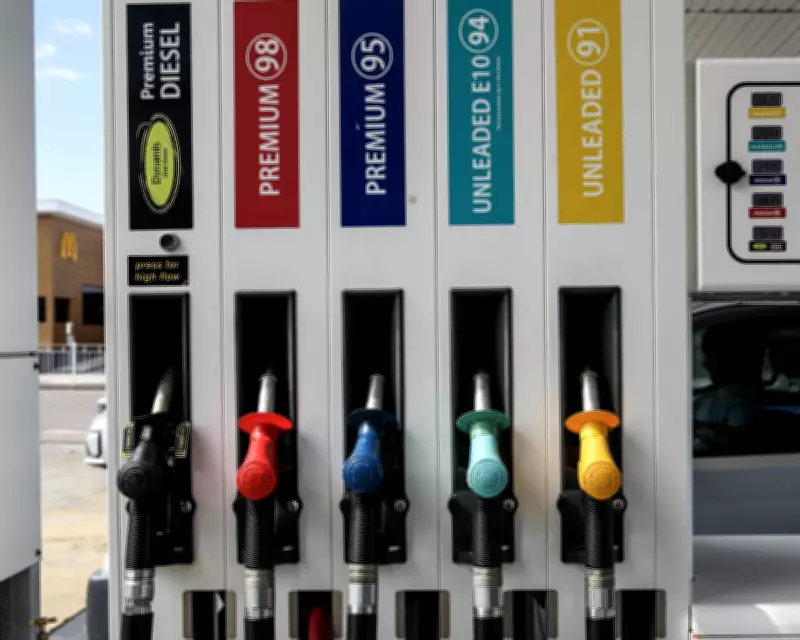
Nationals senator Bridget McKenzie and motoring groups like the NRMA promote greater use of ethanol, with E10 blends containing up to 10% ethanol already available in Australia. However, ethanol consumption accounts for only 0.2% of the nation's oil use, and expanding its role faces hurdles.
Professor Brear notes that ethanol has lower energy content than petrol, requiring engine modifications in non-flex fuel vehicles, which could risk damage. Australia's two ethanol refineries in Queensland and New South Wales produce insufficient volumes to significantly displace petrol demand. While ethanol from sources like Brazilian sugar cane can offer lower emissions, it is not a quick fix for the current crisis.
Urgent Need for Sustainable Solutions
Experts unanimously stress that the priority should be reducing fossil fuel dependence through measures like electric vehicles, hybrids, carpooling, and enhanced public transport. These approaches not only address fuel security but also align with global efforts to combat climate change. As the crisis deepens, political leaders face pressure to adopt strategies that prioritise long-term environmental and economic resilience over short-term, questionable fixes.