EPA Proposes Weakening Coal Ash Disposal Rules, Raising Pollution Fears
The Environmental Protection Agency (EPA) has put forward a proposal to relax regulations governing the safe disposal of coal ash, a toxic byproduct of burning coal. This move, announced on Thursday, could heighten risks of pollutants contaminating water sources and expose more people to hazardous waste, according to environmental advocates.
Background and Regulatory Changes
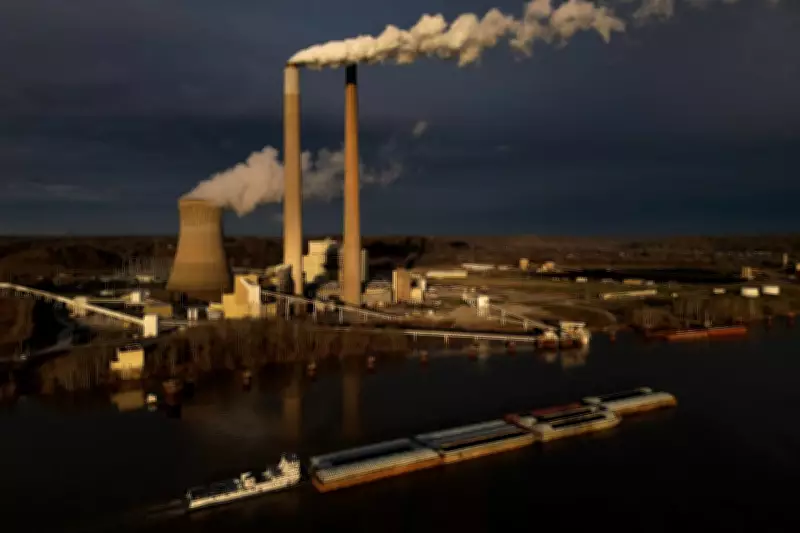
Coal ash, produced in vast quantities from coal-fired power plants, contains heavy metals that can seep into groundwater if not stored properly. Many coal plants are located near rivers or waterways, with waste ash stored in close proximity. The EPA first established standards for coal ash disposal during the Obama administration, mandating measures such as lining new storage sites, monitoring water quality, and closing leaky ponds, often requiring relocation of the material.
In 2024, the Biden administration strengthened these rules by eliminating exemptions for older coal ash sites. However, the new proposal under the Trump administration seeks to ease standards for monitoring and protecting groundwater near some coal ash facilities. It would roll back requirements for cleaning up entire coal properties, focusing instead only on areas where ash is dumped, and facilitate the reuse of coal ash for other purposes.

Administrative Justification and Industry Response
EPA Administrator Lee Zeldin stated that the proposal aligns with the agency's goals of restoring American energy dominance, strengthening cooperative federalism, and addressing unique circumstances at certain coal ash facilities. The coal industry has long argued that stringent regulations increase operational costs, prematurely forcing coal plants into retirement and diverting funds from meeting the nation's energy needs.
A coalition of coal and energy associations previously wrote that expanded federal regulations have needlessly raised costs for power companies and consumers without corresponding benefits to public health or the environment.
Environmental and Health Concerns
Environmental groups and community advocates have raised alarms about the potential consequences of weakened rules. Nicholas Torrey, an attorney with the Southern Environmental Law Center, warned that toxic metals and pollutants from coal ash can leach into surrounding waters, posing a daily pollution threat. Advocates caution that the changes could lead to more dangerous pollutants contaminating water and increase exposure to toxic waste for residents living near coal plants.
Past disasters have underscored the dangers of improper coal ash disposal. In 2008, a dike failure in Tennessee spread coal ash over 300 acres, requiring a massive cleanup, with workers reporting cancer linked to ash exposure. Another spill occurred in North Carolina in 2014, releasing tens of thousands of tons of coal ash.
Broader Context
This proposal is part of a series of efforts by the Trump administration to weaken clean air and water standards, providing regulatory relief for the fossil fuel industry. It aligns with broader initiatives to boost US coal production and suppress cleaner energy alternatives. The move has sparked criticism from environmentalists who view it as a step backward in protecting public health and the environment from industrial pollution.