Channel 4's Dirty Business Exposes Water Scandal, Demands Renationalisation
Dirty Business Drama Exposes Water Scandal, Calls for Renationalisation

Channel 4's Dirty Business Exposes Water Scandal, Demands Renationalisation

The campaigners behind Channel 4's powerful drama Dirty Business are issuing an urgent call for the renationalisation of water companies, accusing their bosses of operating like crime lords for years. This comes as the series highlights a devastating water scandal that puts lives at risk across England.

A Harrowing Story of Loss and Neglect

Viewers of last night's episode were profoundly moved by the tragic story of the Preen family, who went on holiday to Dawlish in 1999 as a family of four and returned as a family of three. This fictionalised account is based on the real-life investigations of retired police detective Ash Smith and retired university professor Peter Hammond, who have uncovered millions of illegal sewage dumps in England's waterways over the past decade.

The drama reveals how water companies routinely face fines that are negligible compared to their profits, allowing them to simply absorb the penalties and continue their harmful practices. Dirty Business brings to light the systematic failure of England's privatised water system, which stands alone globally in its complete privatisation structure.

The Crusaders' Call for Change

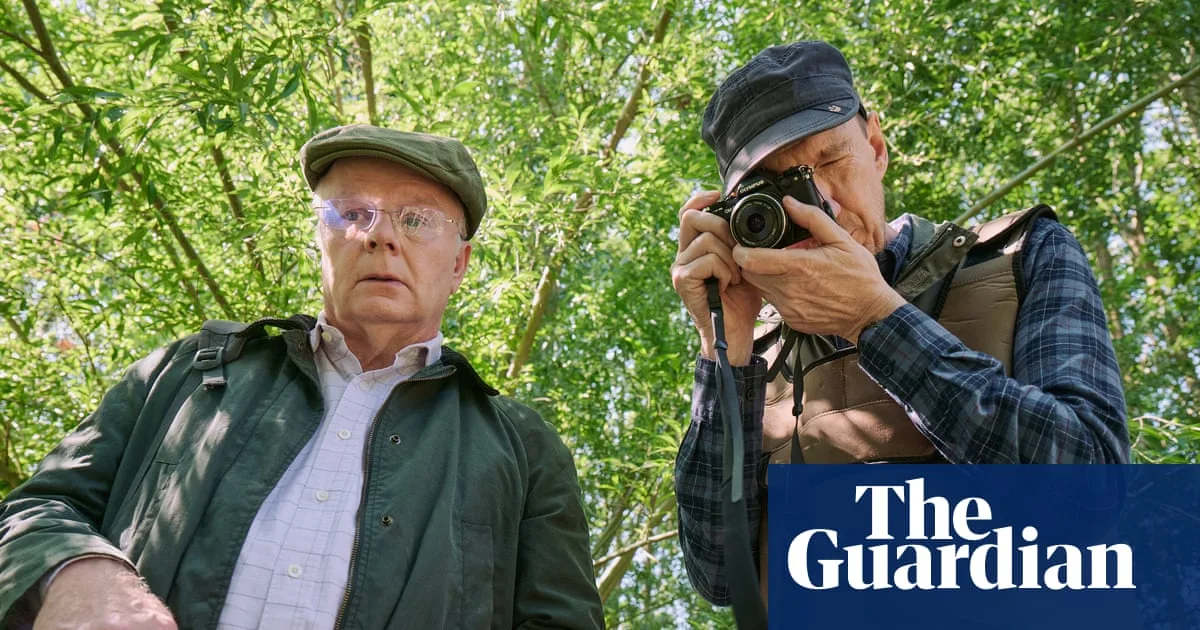
In the final episode, actors David Thewlis and Jason Watkins, portraying the real-life investigators, deliver a powerful message using Peter and Ash's own words. "How did it come to this?" Peter asks. "That England is the only place in the whole world whose water system is wholly privatised - that our seas and rivers are full of sewage."

He argues that renationalisation represents the only logical solution, stating: "We've put the things that we care about into the hands of financial speculators whose job is just to make money. We need to put the people who care in charge."

Former police officer Ash Smith goes even further in his condemnation: "I just feel like we're trying to bring down England's biggest organised crime syndicate. They're not the mafia, they're not a drugs cartel, but they do dump sewage 1,000 times a day, and almost all of those are illegal."

Smith adds: "The cash they've accumulated, £145 billion since privatisation, they've got that because they've built criminality into their business models. Me and Peter are sitting here waiting for these crime lords to put things right and, if we leave them to their own devices, they never will."

A System Built for Profit, Not People

The investigation reveals that since Margaret Thatcher privatised England's water utilities in 1989 with promises of increased investment and improved services, the reality has been starkly different. Thirty-six years later, estimates suggest that between £80 billion and £145 billion collected from water bills has been extracted from the system by banks and hedge funds worldwide.

In 2026, raw sewage continues to be dumped into rivers and coastal resorts up to 1,600 times daily. The motivation is simple: not treating sewage is cheaper than proper treatment. The consequences include contaminated water, dead fish, sick humans, and even child fatalities, yet water companies consistently meet their profit targets.

The pattern, as revealed by Thames Water whistleblower Mickey Lazarus, involves foreign firms acquiring water companies, investing minimally in crumbling infrastructure, extracting maximum profits for about a decade, then departing. Australian investment bank Macquarie is believed to have extracted £12 billion from Thames Water before exiting in 2017, leaving the company debt-ridden and near collapse.

Regulatory Failure and Corporate Impunity

Precious little has been done to deter water companies from illegal dumping. In 2009, the Environment Agency introduced 'Operator Self-Monitoring,' requiring companies to report their own violations. Predictably, this system failed as companies did not comply. Despite illegal sewage dumping carrying potential five-year prison sentences, not a single water company executive has ever received this penalty or any significant jail time.

The Environment Agency claims to have made "significant changes" and plans 10,000 inspections this year to root out wrongdoing. However, critics argue the agency had its chance and failed spectacularly. Thames Water maintains it has spent more on operations and investment than recovered from customers and plans "the biggest upgrade of our network in 150 years."

The Urgent Need for Systemic Change

Twenty-seven years after the inquest into Heather's death recorded a verdict of misadventure with recommendations for improvement, the situation has only deteriorated. The investigation presented in Dirty Business demonstrates that drastic action is now essential. The only sensible solution appears to be returning water companies to public ownership, where they can be managed properly rather than for profit.

Margaret Thatcher's privatisation experiment has failed spectacularly, creating a system where foreign owners treat England as a cash machine while sewage contaminates waterways daily. The campaigners behind Dirty Business argue that renationalisation is necessary for Heather's memory, for wildlife protection, and for every citizen's health and safety.