Channel 4's 'Dirty Business' Sounds Alarm for Water Industry Nationalisation
Channel 4's powerful drama Dirty Business serves as a clarion call to nationalise the water industry, highlighting decades of corporate scandal and environmental neglect. The film, written and directed by Joe Bullman, weaves a compelling narrative through the eyes of campaigners, exposing the dire consequences of privatisation.
A Tragic Catalyst for Change
The drama opens with a harrowing scene where Julie Maughan mourns her eight-year-old daughter Heather, who died in 1999 after contracting E coli O157 from sewage-polluted seawater at Dawlish Warren in Devon. Heather's death, ruled misadventure, sparked calls for action against sewage pollution, yet the crisis has only deepened over time.
This tragedy occurred a decade after Margaret Thatcher privatised the water industry, promising benefits like increased investment and lower bills. Instead, today's industry is dominated by private hedge funds, sovereign wealth funds, and pension funds, with sewage pollution at record levels and companies burdened by £60bn in debt.
The Fight Against Pollution
In the late 1990s, groups like Surfers Against Sewage campaigned vigorously against "pump and dump" practices, where water companies released raw sewage into seas. Their efforts, including wearing gas masks and using combative tactics, led to improvements under EU regulations, but rivers remained neglected.
As the Guardian has revealed, raw sewage continues to flow into rivers across England and Wales, with regulators initially dismissing concerns by stating, "Well, no one swims in rivers." This apathy towards wildlife and habitats has fueled grassroots activism.
Campaigners Take Centre Stage
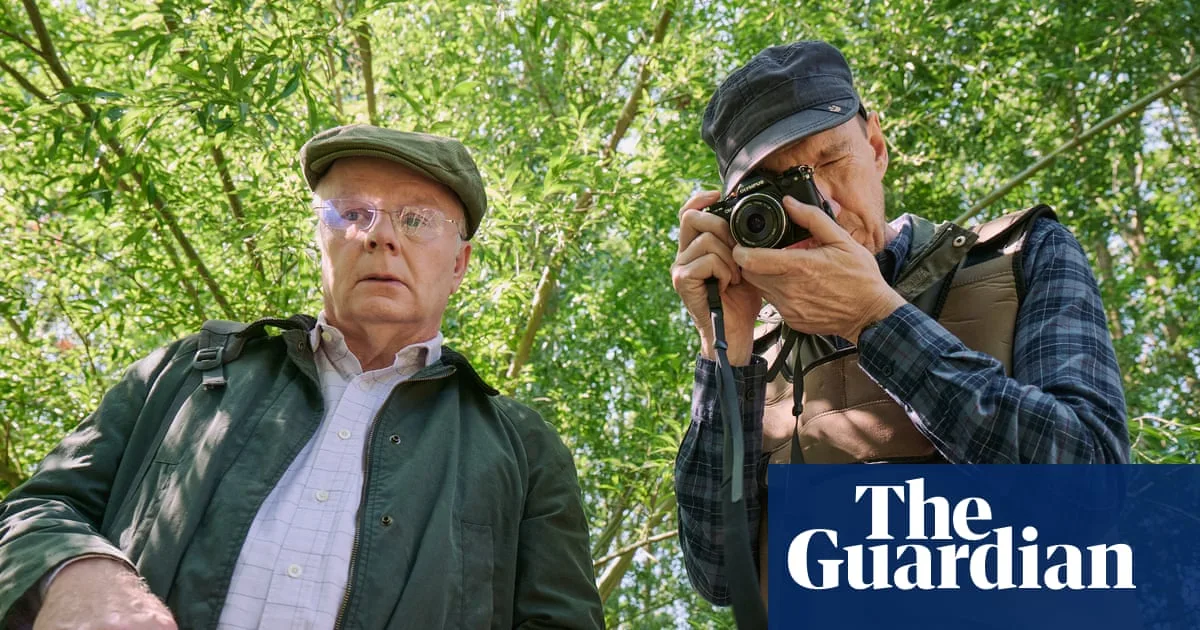
The drama follows campaigners Peter Hammond, a retired professor of computational biology, and Ash Smith, a retired police detective, as they investigate a decline in fish in the River Windrush in Oxfordshire. Their detective work uncovers Thames Water's systemic failures, including illegal sewage dumping rates ten times higher than regulators believed.
Hammond and Smith have taken their evidence to Westminster and the high court, advocating for public input in Thames Water's future. Today, they continue to push for the company to be placed into special administration, a form of temporary public control, as it teeters on financial collapse.
Government Inaction and Corporate Accountability
Despite these efforts, the Labour government has resisted nationalisation, preferring to rely on private equity and foreign investors. Ministers are even considering waiving future fines for polluting companies like Thames Water, which was fined £104m last year, to attract investment.
This approach has been criticised as insanity by campaigners, who argue that repeating failed strategies will not solve the crisis. Chris Hinds, founder of Surfers Against Sewage, emphasises, "This is our water industry, we pay the bills. The drive for profit from our water has to stop. It needs to come back into public ownership."
Dirty Business not only memorialises Heather's story but also amplifies the voices of countless activists fighting for cleaner waterways and a sustainable future.