Australia's National Parks: A Clash of Conservation and Commercial Development
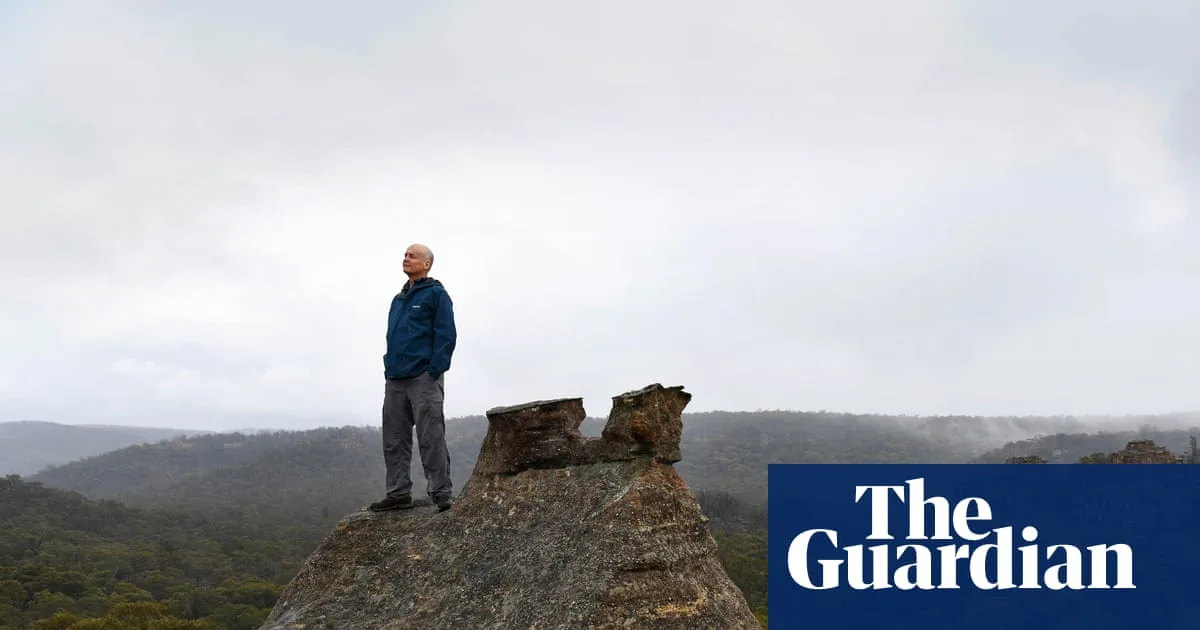
The Gardens of Stone national park in the Blue Mountains, declared a state conservation area in 2022, has become a focal point in a heated debate over the role of private development in Australia's protected natural spaces. Keith Muir, a local resident from Katoomba, expresses deep concern over plans by the New South Wales National Parks and Wildlife Service (NPWS) to introduce luxury glamping-style accommodation within the park.
Muir argues that the proposed 18 twin cabins, marketed as "bush camps," are effectively a resort development that could set a dangerous precedent for other wilderness areas. He describes the park's unique pagoda landforms as "symphonies in stone" and fears that such infrastructure undermines the very essence of conservation. An NPWS spokesperson counters that the camps are low-impact, covering less than one hectare, and designed to blend into the surroundings without establishing a precedent.
The Rise of Private Tourism in Protected Areas
Ralf Buckley, an emeritus professor at Griffith University specializing in sustainable tourism, notes that Australia is leading a global trend toward private tourism ventures inside national parks. Historically, these parks were managed for conservation and public access, with families camping for free. Today, however, guided walks with luxury lodging can cost thousands of dollars per person, such as the $4,000-plus hikes in Tasmania's Tasman national park.
Buckley highlights that private operators often receive exclusive rights to build lodges within parks, subsidized by taxpayers, while restricting public access. Examples include the Scenic Rim trail in Queensland, where a three-night catered hike costs over $3,000, compared to $22.50 for independent camping. A Queensland environment department spokesperson defends these ventures, stating they create jobs, support local businesses, and enhance park protection through revenue and improved facilities.
Proponents and Critics Weigh In
Brett Mitchell, managing director of Intrepid Travel, which is acquiring Wild Bush Luxury—the company set to manage the Gardens of Stone accommodation—argues that tourism plays a vital role in protecting underfunded parks. He cites the Larapinta trail in central Australia as a model of low-impact tourism that benefits communities and traditional owners. Mitchell emphasizes that such developments increase accessibility for people unable to carry heavy backpacks, thus democratizing access to natural assets.
In contrast, former Greens leader Bob Brown condemns the trend, labeling it an "oxymoron" to have wilderness lodges in areas meant to be free from modern technology. He warns of "green shoe brigade developers" exploiting remote and beautiful places for profit, despite nature disappearing at an unprecedented rate globally. Brown acknowledges a place for nature-based tourism but insists it should occur on private land, not public wilderness areas.
- Private developments in national parks are expanding, with luxury accommodations costing thousands of dollars.
- Supporters claim eco-tourism funds conservation and improves accessibility for diverse visitors.
- Critics argue these ventures commercialize wilderness, setting a harmful precedent for protected areas.
- Examples include the Gardens of Stone in New South Wales, the Scenic Rim trail in Queensland, and the Three Capes track in Tasmania.
The Tasmania Parks spokesperson asserts that their model offers a spectrum of opportunities to cater to all visitors, showcasing the state's best offerings. As this debate intensifies, the future of Australia's national parks hangs in the balance, with stakeholders grappling over how to balance conservation goals with commercial interests in an era of environmental crisis.