Australia is set to overhaul its emergency warning systems with the introduction of AusAlert, a $132 million smartphone alert system designed to warn citizens of major disasters. The system will replace state-based text messaging services that often struggle under high demand during emergencies.
From June, trials will begin for the system, which will send intrusive alerts for events such as bushfires, floods, biosecurity threats, and public safety incidents like shootings. The alerts will appear as home screen messages on phones in designated geographic areas, with the highest-level threats accompanied by a loud, intrusive tone.
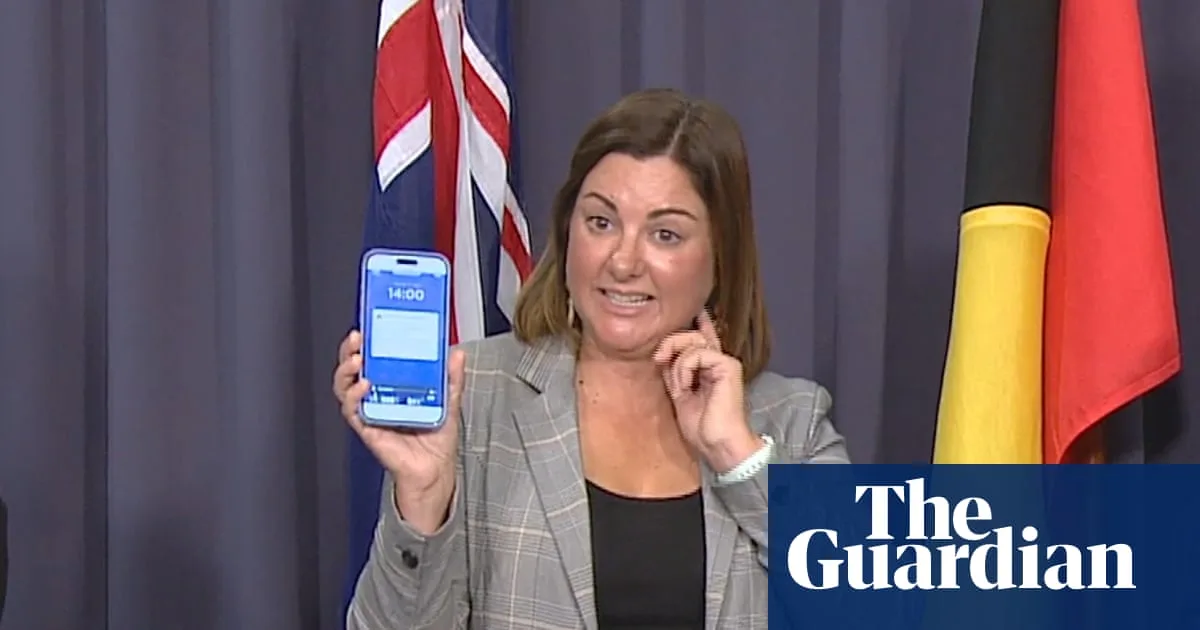
AusAlert can target alerts down to individual streets and will be received by anyone with a phone in a specific location for a set time range, between 10 minutes and 24 hours. A national test is planned for 27 July at 2pm eastern time, expected to reach about 23 million smartphones, or 90% of phones in Australia.

The system is designed to work with most phones released since 2019, with testing underway for smartwatches and carplay systems. Users cannot opt out of the highest-level threat alerts, but lower-level priority alerts will have opt-out functionality. AusAlert is expected to be fully operational by October, ahead of the 2026-27 high-risk weather season.
Federal Emergency Management Minister Kristy McBain emphasised the importance of community testing, stating the system will help save lives and protect property. However, concerns have been raised about mobile phone black spots in regional areas, with Independent MP Helen Haines calling for disaster roaming services. Shadow Minister Ross Cadell criticised the cost increase from an original $10 million and called for seamless integration across jurisdictions.