Australia's $10.8bn Fuel Tax Credits: Miners and Farmers Benefit as Climate Costs Soar
Australia's $10.8bn Fuel Tax Credits: Miners and Farmers Benefit

Australia's Fuel Tax Credits Scheme: A $10.8bn Burden on Taxpayers

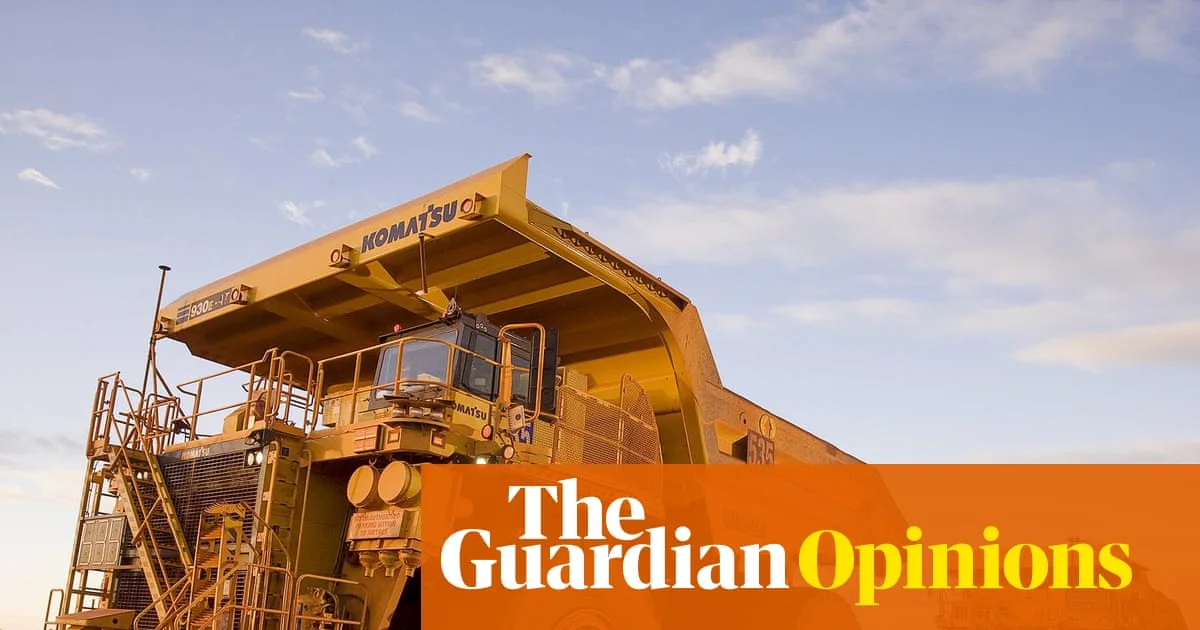
Miners and farmers stand as the primary beneficiaries of Australia's fuel tax credits scheme, which is projected to cost the government nearly $10.8 billion this financial year. This substantial expenditure translates to approximately $30 million per day or $20,500 every minute, making it one of the most significant anti-climate policies in the national budget.

The Mechanics and Controversy of the Scheme

The fuel tax credits scheme operates by refunding the fuel excise tax—currently set at 51.6 cents per litre—to businesses that use diesel or petrol for specific purposes. Eligible activities include operating vehicles on private roads, driving heavy vehicles on public roads, or using diesel for machinery. Supporters argue that since fuel excise is intended to fund roads, those not using public roads should not pay the tax. However, this logic is increasingly challenged, as only about 5% of excise revenue is legally designated for road funding, with the remainder flowing into general consolidated revenue.

Climate Impact and Growing Opposition

Critics highlight that the scheme undermines Australia's climate commitments, including a pledge to cut emissions by at least 62% by 2035 and achieve net zero by 2050. By making it cheaper for large corporations to burn fossil fuels, the credits reduce incentives for investing in cleaner technologies, such as electric vehicles or renewable energy infrastructure. This policy also conflicts with the revamped safeguard mechanism, which requires major industrial polluters to reduce emissions annually.

A growing chorus of voices, including the ACTU, Labor Environmental Action Network (Lean), and the Australian Academy of Technological Sciences and Engineering, calls for winding back or abolishing the credits. Even Matt Kean, chair of the Climate Change Authority, has described the rebates for miners as "insane", suggesting funds could better support renewable energy transitions.

Proposed Reforms and Industry Resistance

Several reform proposals have emerged, focusing on capping rebates to target large mining companies like BHP, Rio Tinto, and Fortescue. For instance, the ACTU advocates for a $20 million annual cap per company, which could generate over $14 billion in revenue over three years. Alternatively, a $50 million cap has been suggested, with excess credits redirected toward emissions reduction projects.

Despite these calls, mining industry groups strongly oppose changes, threatening campaigns against any modifications. The federal resources minister, Madeleine King, has stated that the government is not considering alterations, emphasizing political caution. However, with costs forecast to rise by 19.9% by mid-2029, the sustainability of the scheme remains in question, posing a significant challenge for policymakers.