Argentina's Congress Approves Milei's Glacier Mining Bill Amid Environmental Outcry
Argentina's Congress has given its approval to a contentious bill championed by libertarian President Javier Milei, which relaxes protections for glaciers to encourage investments in the mining sector. This decision, made in the early hours of Thursday, has sparked significant backlash from environmental organizations, who are now preparing to challenge the legislation in court.
Legislative Passage and Voting Details
The bill, which had previously been approved by the Senate in February, was passed with 137 votes in favor, 111 against, and three abstentions. President Milei is expected to sign the legislation into law in the coming days, marking a pivotal shift in Argentina's environmental policy.
Economic Implications and Investment Projections
According to estimates from the mining industry, the new regulatory framework could unlock more than $30 billion in investments over the next decade. Approximately 70% of these funds are earmarked for new projects focused on copper, gold, and silver extraction, potentially boosting the national economy.

Environmental Concerns and Legal Challenges
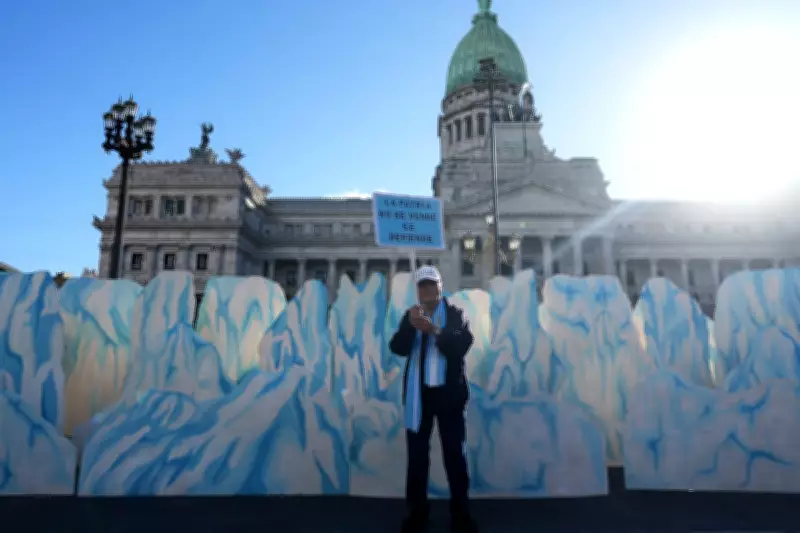
Environmental advocates, including groups like Greenpeace and the Environment and Natural Resources Foundations, are mobilizing a public class-action lawsuit. They argue that the bill's passage was flawed, as it disregarded public concerns over water safety and the protection of fragile ecosystems. In a joint statement, these organizations declared, "If they refuse to listen in Congress, they will be forced to listen in the courts," urging citizens to join the legal fight.
Historical Context and Regulatory Changes
In 2010, Argentina enacted a landmark law that prohibited all mining activities on glaciers and in periglacial zones, which are critical for water regulation. The Milei administration's reform narrows these protections significantly. Under the new framework, only glaciers and landforms with "specific hydrological functions" will be shielded, with each province responsible for determining which areas qualify.
Geographic and Scientific Perspectives
Argentina is home to 16,968 glaciers spread across the Andes Mountain Range and the South Atlantic Islands, covering a total area of 8,484 square kilometers (3,276 square miles). Glaciology experts warn that climate change is already causing these glaciers to retreat at an accelerated rate. Scientists caution that weakening protections could threaten water security in arid regions and deplete reserves that sustain river flows, posing long-term risks to the environment and local communities.
Political Opposition and Constitutional Disputes
Opposition lawmakers have labeled the legislation unconstitutional, contending that it rolls back essential environmental safeguards. They argue that the reform prioritizes economic gains over ecological sustainability, setting a dangerous precedent for future policy decisions.