Sixty-Seven Dog Breeds Face Potential UK Ban Under New Parliamentary Health Guidelines
Campaigners have issued a stark warning that sixty-seven dog breeds could be banned in Britain if new breeding guidelines established by parliament become mandatory. The all-party parliamentary group (APPG) for animal welfare has introduced a novel tool designed to determine whether a dog is healthy, which could have far-reaching implications for canine ownership across the nation.
Cross-Party Committee Develops Health Checklist
The cross-party committee has meticulously crafted a ten-point checklist focusing on extreme physical characteristics that may contribute to poor health in dogs. These traits include mottled colouration, excessive skin folds, bulging outward-turning eyes, drooping eyelids, under or overbite, and muzzles that interfere with normal breathing. The assessment, currently voluntary, is anticipated to transition into law within the next five years, aiming to eliminate breeds with these exaggerated attributes from breeding programmes.
This initiative follows comprehensive studies revealing that animals with such characteristics often endure pain, discomfort, and frustration from birth. However, critics have raised alarms, suggesting that the new criteria could automatically label approximately sixty-seven of the UK's most popular dog breeds as unhealthy, as reported by The Times. Among the breeds at risk are widely adored varieties such as dachshunds, shih tzus, and Scottish terriers, alongside the late Queen Elizabeth II's cherished Welsh corgis.
Kennel Club Expresses Concerns Over Breed List
The Kennel Club, a national organisation dedicated to dog health, welfare, and training, has compiled and disseminated a list of breeds it fears are vulnerable under the new guidelines. Corgis, along with several other dwarf dog varieties, would be deemed unhealthy due to their short legs and proximity to the ground. This classification persists despite these traits being historically prized, particularly in corgis, which were traditionally used for herding cattle, where their small size helped them avoid kicks from livestock.
Margaret Hoggarth, secretary of the Welsh Corgi League, has vehemently asserted that these animals are "very healthy" and are being unfairly "lumped in" with unhealthy breeds solely because of their short legs. The late Queen Elizabeth II owned more than thirty Pembroke Welsh corgis and dorgis—a corgi-dachshund mix—throughout her reign, with these dogs serving as constant companions and iconic symbols of her monarchy. Following her passing in 2022, her remaining dogs, Muick and Sandy, attended her funeral before being adopted by Andrew Mountbatten-Windsor and his former wife, Sarah Ferguson.
Health Implications and Criticisms of the Checklist
The checklist categorises dogs with shorter legs as those with a gap between their chest and the ground that is less than one-third of their shoulder height. It argues that such breeds can face a range of health issues, including spinal deformities, joint pain, arthritis, and limb abnormalities like bowed legs. Animal campaigners have criticised the new rules as a "blunt tool," relying on subjective visual assessments rather than rigorous medical tests.
Beverley Cuddy, editor of Dogs Today magazine and founder of the Union of Good Dog People, which promotes ethical breeding, has labelled the criteria "shocking." She emphasised the need for "proper, nuanced tests that don't throw the baby out with the bathwater," warning that otherwise, Britain's most beloved breeds could vanish "in the blink of an eye." Ms Cuddy further speculated that the public would be "outraged," and that the late Queen would have been "very upset by this proposal."
Impact on Dog Shows and Current Regulations
As Crufts, the world-famous dog show hosted by The Kennel Club, commences, concerns have emerged that four of the last ten winners of the best in show award would not pass the new assessment. The 2024 recipient, Viking, an Australian Shepherd, is among the breeds that would fail the test. The Animal Welfare Act already prohibits breeding dogs that are suffering, and campaigners note that the new criteria expand the definition of what constitutes suffering.
The tool was launched in the House of Lords as a voluntary scheme, but animal activists caution that the intention has always been to make it mandatory. Indeed, some local authorities are already utilising the checklist to evaluate breeders. Under the guidelines, only dogs scoring eight out of ten or higher can be bred, with the threshold set to increase to nine in five years and ten within a decade.
Development and Future of the Guidelines
Developed by Dan O'Neill, associate professor of companion animal epidemiology at the Royal Veterinary College, the tool aims to ensure that no dogs with extreme characteristics are bred by licensed breeders in the UK within ten years. For the rules to become obligatory, they must be formally incorporated into animal welfare legislation in parliament, making the checklist a requirement for any breeder seeking a licence in the UK.
Currently, licensed dog breeders must adhere to health obligations outlined in the Licensing of Activities Involving Animals (England) Regulations 2018, which state that no dog may be kept for breeding if it could detrimentally affect its health or welfare. However, this requirement is often not enforced in practice, as councils lack a standardised measure to assess whether a dog's health would be compromised by extreme characteristics.
The website for the tool asserts that any commercial breeder breeding from a dog that fails the innate health assessment (IHA) could be in breach of their licence, though this does not apply to non-commercial breeders. The APPG has even produced a pledge for TV and film producers and advertisers to sign, committing to depict only dogs that pass the test completely. The tool has garnered endorsements from key organisations, including the Royal Veterinary College, the RSPCA, and Dogs Trust.
Kennel Club's Response and List of Affected Breeds
A spokesperson for The Kennel Club has argued that the checklist is "neither nuanced nor robust enough" to help breeders eliminate extreme characteristics. They also highlighted the absence of a system to publicly record test data and track breed progress, both of which would assist breeders. The club has expressed concerns over specific criteria that could have "unintended consequences" for certain breeds and breeders.
The sixty-seven dog breeds potentially at risk include:
- Affenpischer
- American Cocker Spaniel
- Australian Cattle Dog
- Australian Shepherd
- Basset
- Basset Bleu
- Basset Fauve
- Beagle
- Beauceron
- Bergamasco
- Bloodhound
- Border Collie
- Boston Terrier
- Boxer
- Bracco
- Brittany
- Brussels Griffon
- Bull Mastiff
- Bulldog
- Cairn Terrier
- Cardigan Welsh Corgi
- Cavalier King Charles Spaniel
- Cesky Terrier
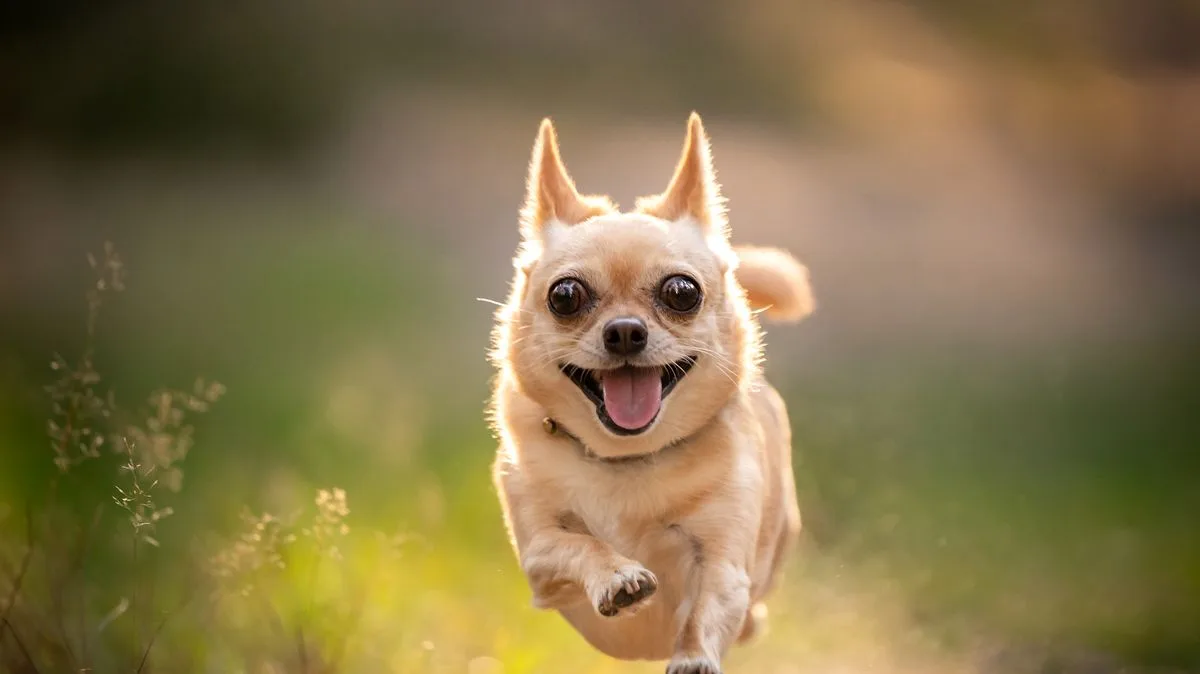
- Chihuahua
- Chow Chow
- Clumber Spaniel
- Dachshund
- Dandie Terrier
- Dogue de Bordeaux
- French Bulldog
- Glen of Imaal Terrier
- Grand Basset
- Great Dane
- Japanese Chin
- King Charles Spaniel
- Lancashire Heeler
- Lhasa Apso
- Mastiff
- Mudi
- Neapolitan Mastiff
- Newfoundland
- Norfolk Terrier
- Norwich Terrier
- Old English Sheepdog
- Pekingese
- Pembroke Welsh Corgi
- Petit Basset
- Polish Lowland
- Pug
- Pyr Mastiff
- Pyr Shep
- Rough Collie
- Schipperke
- Scottish Terrier
- Sealyham Terrier
- Shar Pei
- Shetland Sheepdog (Sheltie)
- Shih Tzu
- Skye Terrier
- Smooth Collie
- Spanish Water Dog
- St Bernard
- Staffordshire Terrier
- Sussex Spaniel
- Swedish Vallhund
- Tibetan Mastiff
- West Highland White Terrier