Plastic Production 'Out of Control' as UK Households Discard 1.6 Billion Pieces Weekly
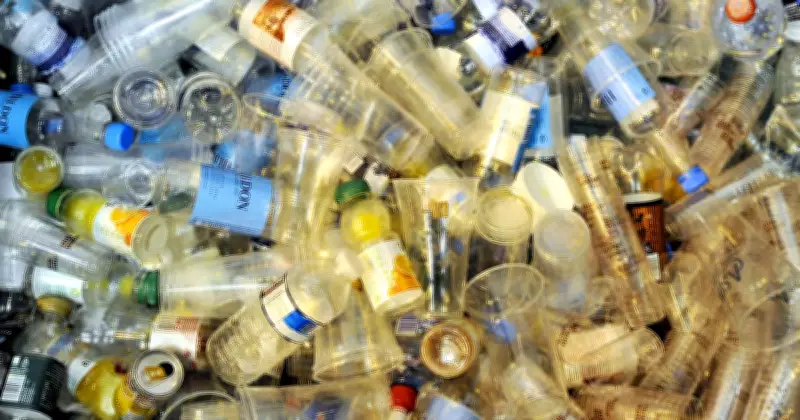
UK households are throwing away an estimated 1.6 billion pieces of plastic packaging every single week, according to a comprehensive new survey. The alarming findings from The Big Plastic Count, organised by Everyday Plastic, highlight a deepening environmental crisis with severe implications for public health and climate change.
Survey Methodology and Startling Results
Over 68,000 individuals across the United Kingdom meticulously recorded their plastic waste between 9 and 15 March this year. Participants collectively binned 1.5 million pieces during this week-long observation period. When extrapolated to represent all UK households, this figure escalates to nearly 1.6 billion pieces weekly, amounting to approximately 82 billion pieces annually.
This year's count marks the third such initiative, following previous efforts in 2022 and 2024. Two years ago, a larger sample size supported by Greenpeace suggested an even higher weekly disposal rate of 1.7 billion pieces, or 90 billion annually.

Food and Drink Packaging Dominates Waste Stream
A staggering 82 per cent of the plastic waste recorded originated from food and drink packaging, with fruit and vegetables being the most prevalent category. Everyday Plastic estimates that 13 billion pieces of plastic packaging from fruit and vegetables alone is being discarded by UK households each year.
The survey highlighted that supermarket giants Tesco and Sainsbury's together accounted for almost half (46 per cent) of the fruit and vegetable packaging counted. Nearly two-thirds of this fruit and vegetable packaging were made from soft film plastic, which is difficult to recycle at scale in the UK and most ends up being incinerated.
Incineration and Environmental Justice Concerns
Burning plastic contributes significantly to air pollution and climate change, while waste incinerators often tend to be located near more deprived communities, further driving health inequality. The UK also exports waste, including plastic, to poorer countries with often less developed waste infrastructure, creating additional environmental justice issues.
Expert Calls for Systemic Change
Daniel Webb, founder of Everyday Plastic, declared plastic waste has become a 'national crisis' and argued that reducing production, rather than just increasing recycling, is key to tackling the problem effectively.
'The Big Plastic Count has again shown that plastic production is out of control, with billions of pieces of plastic being thrown away every week,' he stated. 'Recycling cannot keep up with the volume being produced, and we're incinerating more than ever. We can't burn our way out of this.'
Everyday Plastic is calling on the Government to implement three critical measures: remove plastic packaging from uncut fruit and vegetables by 2030, stop the construction of new waste incinerators immediately, and end the export of plastic waste to other countries.
Global Context and Industry Pressures
Recent efforts to reach an international plastics treaty have stalled multiple times amid divides over whether there should be binding global limits on plastic production. Meanwhile, fossil fuel and petrochemical companies continue to expand plastic production despite growing environmental concerns.
Beth Gardiner, journalist and author of Plastic Inc: Big Oil, Big Money And The Plan To Trash Our Future, explained: 'Even as so many of us try to use less plastic, fossil fuel and petrochemical companies push more of it into our lives every year. Now, with clean energy and electric vehicles threatening its profits, Big Oil is pouring billions of dollars into its plans to double, and eventually triple, plastic production.'
She added that The Big Plastic Count means tens of thousands of people have helped to shine a 'critically important spotlight on that dangerous strategy'.

The next survey will take place in 2027, according to Everyday Plastic, continuing to monitor this escalating environmental challenge that affects every household across the nation.