New Research Questions Microplastics Detection in Human Tissues
Study Challenges Microplastics in Human Body Claims

Scientific Debate Emerges Over Microplastics Detection in Human Body

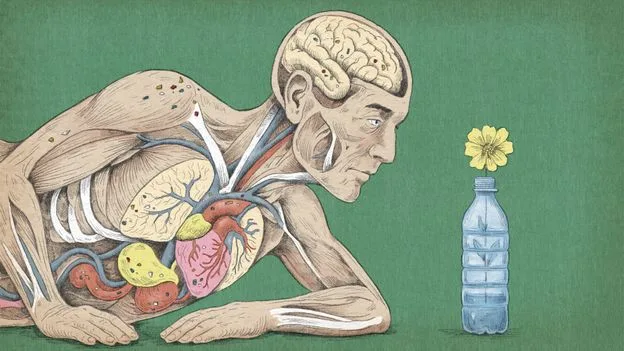
For several years, numerous scientific publications have suggested that tiny plastic particles from bottles, packaging, and environmental waste have been identified within human biological samples. These findings have indicated the presence of microplastics in critical areas including blood, lung tissue, placental material, arterial walls, and even brain matter. However, a recent investigative report has cast significant doubt on the robustness of some of these alarming claims, suggesting that methodological flaws may have led to premature conclusions.

Contamination Concerns Challenge Previous Findings

The unsettling notion that plastic fragments are accumulating within our bodies has largely stemmed from laboratory evidence showing nanoplastics—the smallest plastic particles—can damage animal embryos and cultured human cells. While slightly larger microplastics are not currently known to be as harmful when ingested, the detection of any plastic within human tissue has raised substantial public health concerns. The Guardian's investigation reveals that many scientists now believe some reports may represent false alarms, not due to misconduct, but because of unintentional sample contamination during laboratory analysis.

In one notable example, a February 2025 paper in Nature Medicine suggested increasing concentrations of micro- and nanoplastics in human brain and liver tissues. Merely nine months later, the same prestigious journal published a critical letter from another scientific group challenging the original study's methodology. This pattern of publication followed by methodological critique highlights the evolving nature of this scientific field and raises an awkward but essential question: are plastic particles truly pervasive throughout human biology, or does the current science remain too uncertain to support such definitive claims?

The Technical Challenges of Detecting Plastic in Tissue

While environmental plastic pollution is undeniable—with small particles being ubiquitous and human exposure inevitable—detecting these particles within human tissue presents extraordinary technical difficulties. Most studies follow a similar protocol: biological samples collected during surgery or postmortem examination are analyzed using sophisticated instruments designed to identify plastics through their unique chemical signatures.

The primary obstacle is contamination. Plastic fibers and fragments are pervasive in laboratory environments—present in air, on clothing, within operating theatres, and most problematically, in the disposable lab equipment itself. Syringes, pipettes, and centrifuge tubes used to process tissue samples may introduce plastic particles that overwhelm the delicate signals researchers seek. Standard analytical practice involves running blank control samples alongside real ones, yet critics argue some studies have inadequately implemented such controls, potentially skewing results.

Distinguishing Between Microplastics and Nanoplastics

Scientific understanding distinguishes between two broad categories of plastic particles. Microplastics, typically the size of pollen grains, are relatively easier to detect and have been the focus of most human tissue studies. Nanoplastics, however, are vastly smaller—comparable to some viruses—and require the most advanced analytical techniques for identification.

This distinction matters profoundly for health implications. While most research has concentrated on microplastics due to detection feasibility, nanoplastics may be far more biologically relevant. Nanoplastics can cross biological barriers, are toxic to human cells in laboratory cultures, and have been shown in animal studies to harm developing embryos. Their minute size allows cellular uptake, potentially causing cellular damage or death. Microplastics, being generally too large for cellular absorption, might instead trigger immune responses or act as carriers for environmental toxins.

Scientific Progress Through Rigorous Debate

The current controversies should not create the false impression that the entire field is invalid. Rather, they reflect normal scientific discourse where disagreement and correction are essential components of progress. Researchers specializing in measurement methodologies have become particularly vocal about the need for higher standards, and fortunately, those standards are improving rapidly.

Laboratories are growing more aware of contamination risks, employing multiple analytical techniques on the same samples for cross-verification, and working toward standardized operating procedures for plastic detection in biological materials. The studies criticized in recent reports represent sincere attempts to address an urgent question within a rapidly evolving scientific discipline.

Practical Implications and Future Directions

For the public encountering alarming headlines about plastic particles within the body, the current state of knowledge warrants caution rather than panic. There remains no clear evidence that substantial plastic accumulation is occurring in human organs, or that reported temporal increases reflect genuine biological trends rather than methodological artifacts.

Nevertheless, practical steps to reduce everyday plastic exposure remain sensible where feasible. These might include minimizing consumption of food and beverages from plastic packaging, improving indoor ventilation, and using simple water filtration methods like charcoal filters. The intense scientific debate, while potentially unsettling, ultimately signifies a maturing field establishing its foundational methodologies. As techniques improve and human tissue testing becomes more rigorous, a clearer picture will undoubtedly emerge—ensuring future claims about plastics in the human body are supported by robust, uncontestable evidence.