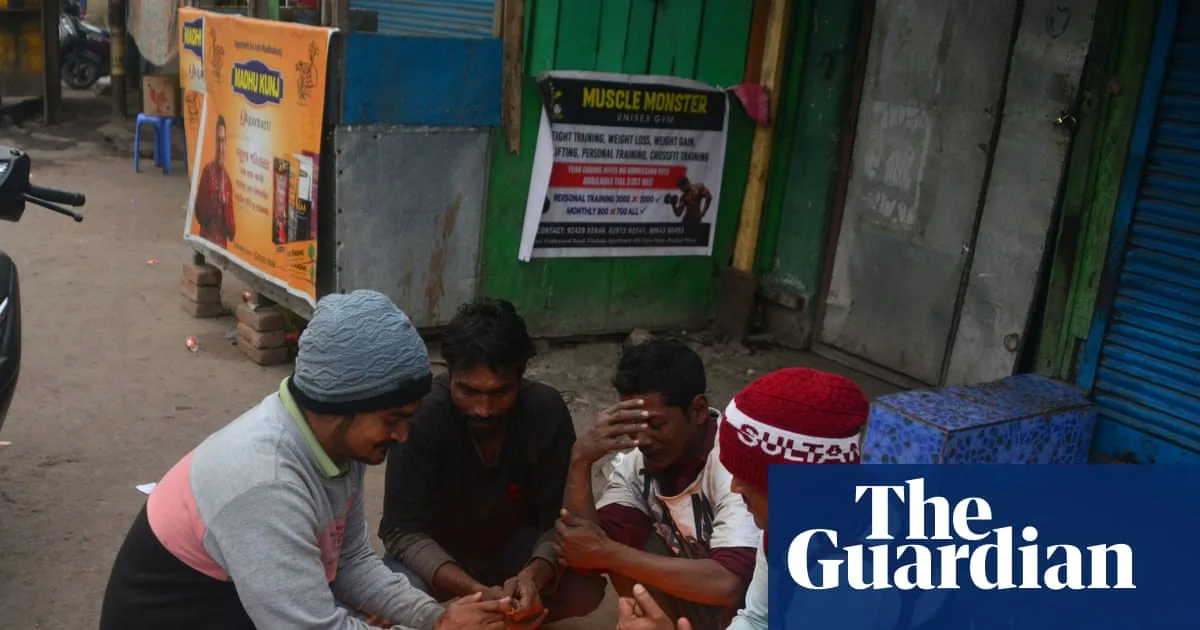
A global study has found that the practice of burning plastic waste for cooking and heating in homes is far more common than previously understood, raising serious health and environmental concerns.
Published in Nature Communications, the research surveyed over 1,000 respondents across 26 countries. One in three reported knowing of households that burn plastic, while 16% admitted to having done so themselves. The respondents included researchers, government workers, and community leaders working in low-income urban areas.
Lead author Dr Bishal Bharadwaj of the University of Calgary said the practice had been “difficult to get accurate data on”. He noted that when families cannot afford cleaner fuels and lack reliable waste collection, plastic becomes both a nuisance and a last-resort energy source, with people burning everything from bags to bottles.
The study highlights severe health risks, including inhalation of toxic emissions like dioxins, furans, and heavy metals, as well as food contamination. Previous research has found toxic compounds in eggs near plastic burn sites.
Co-author Prof Peta Ashworth of the Curtin Institute for Energy Transition described the burning as resulting from a “confluence of issues”, including poverty, plastic pollution, and inadequate waste disposal. She called for improved waste management and subsidies for clean cooking fuels.
The researchers say the findings are an initial step, but more work is needed to understand the true scale of the problem. They urge governments to act as rapid urbanisation outpaces essential services.