5 Surprising Foods That Contain Thousands of Microplastics
Everyday foods and drinks loaded with microplastics

Public awareness is growing about the presence of microplastics in seafood, but exposure from other common foods and drinks is far more widespread than many in the UK realise, according to experts.

Hidden Sources in Your Daily Diet

Research indicates that daily intake from food and drink can range from zero to a staggering 1.5 million microplastic particles per day, with bottled water being a primary culprit. However, several everyday items contribute significantly to this invisible consumption.

1. Chewing Gum: A Lump of Plastic

Most conventional chewing gum is made from a synthetic gum base composed of plastics and rubber. The act of chewing releases these particles, with a single gram capable of shedding up to 637 microplastic particles. Interestingly, even natural gums made with plant polymers release a similar amount, suggesting contamination may occur during production or packaging.

To minimise exposure, experts suggest chewing one piece for longer rather than frequently replacing it, as most microplastics are released within the first eight minutes.

2. Salt: Not So Pure

A shocking 94% of salt products tested globally show microplastic contamination. Sea salt has even been proposed as an indicator for marine plastic pollution. Contamination appears higher in terrestrial salts like Himalayan pink salt than in marine varieties.

Your grinder may worsen the problem. Disposable plastic grinders can release over 7,600 particles when grinding just 0.1g of salt. Switching to a ceramic or metal grinder and storing salt in glass or ceramic containers can help.

3. Apples and Carrots: Contaminated Produce

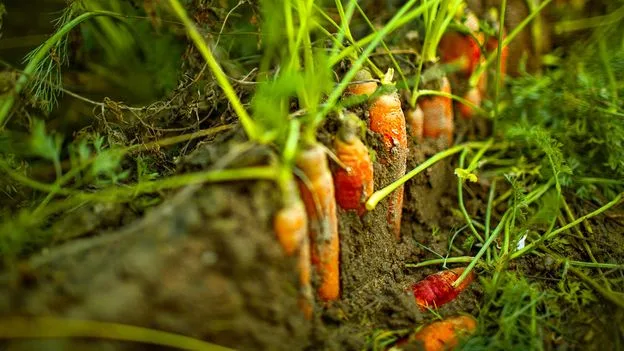
Fruit and vegetable contamination is a confirmed issue. Nanoplastics can enter plants through their roots, and particles are found on surfaces. Studies identify apples and carrots as among the most contaminated, with lettuce being the least.

Despite this, the health benefits of consuming fruits and vegetables, rich in antioxidants like anthocyanins, are still deemed to outweigh the risks. The contamination level is also lower than in highly processed foods.

4. Tea, Coffee, and Hot Drinks

Microplastics lurk in more than just some plastic-based teabags. Tea leaves, coffee, and milk can all be contaminated. A major source is disposable, plastic-lined takeaway cups, where heat accelerates the release of particles.

Hot drinks generally contain more microplastics than cold ones. Using loose-leaf tea, choosing truly plastic-free teabags (sealed with cotton), and opting for reusable metal or glass cups are effective strategies. Notably, milk in glass bottles has a lower microplastic load.

5. Seafood: Less Than Expected?

While seafood is often highlighted, its microplastic content can be relatively low. Filter feeders like mussels contain between 0.2 and 0.70 particles per gram. For context, a single plastic teabag can release up to 11.6 billion particles when brewed.

Practical Steps to Reduce Your Intake

Beyond targeting specific foods, broader lifestyle changes can cut exposure. Storing food in plastic containers and eating highly processed foods are linked to higher microplastic concentrations in the body.

Microwaving food in glass, not plastic, is strongly advised to prevent leaching. The single most impactful change, however, may be ditching bottled water, which can contain up to 240,000 particles per litre, in favour of tap water.

While eliminating plastics from our diets entirely remains impossible, making informed swaps can substantially reduce daily microplastic consumption, according to Catherine Rolph, a Lecturer in Environmental Engineering at The Open University.