Surfing Exodus as Shark Attacks Shatter Sydney's Coastal Confidence
A profound sense of loss has washed over Sydney's surfing community following an unprecedented cluster of shark attacks. Four separate incidents within a mere 48-hour period have not only closed beaches but have also stripped away the fundamental sense of safety that defines the city's relationship with the ocean.
A Terrifying Sequence of Events
The alarming sequence began on a Sunday afternoon at a harbour beach in Vaucluse, where a 12-year-old boy was left fighting for his life after a severe bite. The very next morning, an 11-year-old child's surfboard was bitten multiple times at Dee Why beach in Sydney's north. Later that same Monday afternoon, a 27-year-old man was attacked while surfing in Manly, less than five kilometres away.
The crisis extended beyond the city limits on Tuesday morning, with news of a fourth attack reaching surfers on the road. A 39-year-old man was bitten at Point Plomer on the state's mid-north coast, approximately five hours north of Sydney, underscoring the widespread nature of the threat.

The Personal Toll: 'A Piece of You Gets Stripped Away'
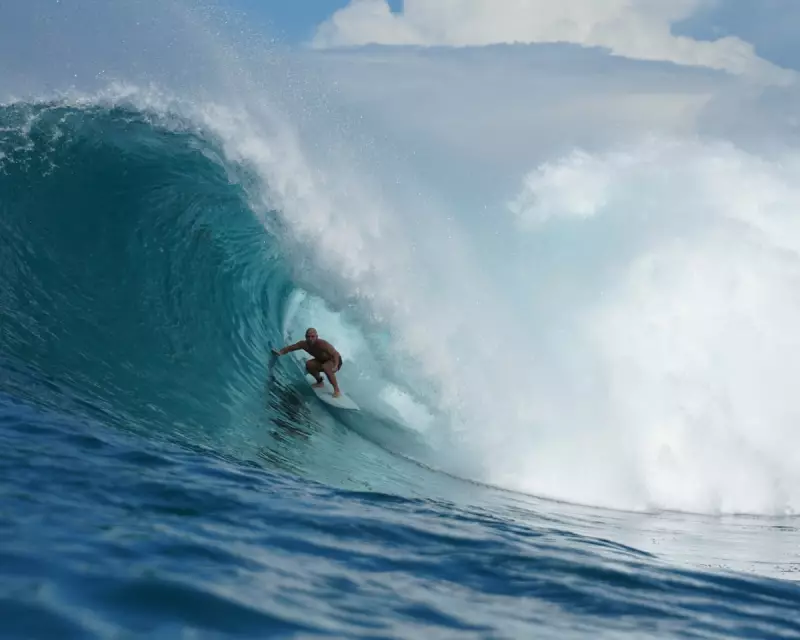
For lifelong Sydney surfer and big wave coach Matt Chojnacki, the psychological impact was immediate and severe. After the first three attacks occurred in quick succession, he made the drastic decision to leave the city in search of less risky waves to the north.
"It does feel like a piece of you gets stripped away when something like this happens," Chojnacki confessed. "Sydneysiders are ingrained with surfing and beach activities as part of their life. At the moment, I'm less scared of surfing the biggest waves in the world than I am of shark attacks on my local beaches."
He described a community in shock, with sessions cancelled and empty line-ups. "No one's surfing today. I've cancelled everything. There's a sudden shock because surfing, as much as it's a sport, is actually part escapism. Having the fear of dying in such a violent and graphic way is a polar opposite to that serenity. It's what's been keeping me up at night."
Echoes of Past Tragedy and Present Vulnerability
The fear is not abstract for this tight-knit community. Chojnacki lives across the road from Long Reef, where his friend, 57-year-old father Mercury Psillakis, was fatally mauled by a shark just months earlier in September. That tragedy had already left surfers feeling vulnerable and apprehensive, leading to enhanced aerial and on-water surveillance during competitions.
That vulnerability has now returned with a vengeance, leaving a trail of closed beaches. At least 28 beaches remain shut in Sydney alone, with closures extending along the mid-north coast of New South Wales from Town Beach to Crescent Head.
Expert Advice: When in Doubt, Stay Out
The caution is being echoed by experts and authorities alike. Rob Harcourt, an emeritus professor of marine ecology at Macquarie University and a daily surfer, cancelled his usual session at North Steyne in Manly—the site of one of the Monday attacks.
"I haven't got in the water today. It's only human—it would just be foolish to rush back into the water when you can just leave it for a few days," Harcourt stated, planning to avoid the ocean for the remainder of the week. He highlighted the increased risk posed by murky water from recent heavy rainfall, advising, "Go for a run instead. If you can't see what's happening in the water, that's a good sign not to go in."
Steven Pearce, chief executive of Surf Life Saving NSW, delivered a stark message to the public, urging beachgoers to avoid unsafe shores and "just go to a local pool" instead.
Event Cancellations and Enhanced Safety Measures
The attacks have struck at the heart of Sydney's vibrant ocean swimming season, forcing the cancellation of major events. The Big Swim at Whale Beach, scheduled for 25th January, was called off—only the second cancellation in its 52-year history. The Sydney Harbour Splash, set for Rose Bay near Vaucluse on 26th January, was also cancelled out of respect for the injured boy.

Organisers of the upcoming Cole Classic in Manly, Sydney's largest ocean swim, have announced they are strengthening safety resources. This includes doubling drone capability for enhanced wildlife surveillance and incident response, in a bid to reassure participants and proceed with the event on 1st February.
The series of attacks represents a profound challenge to Sydney's coastal identity, forcing a community built on ocean freedom to confront a very real and present danger lurking beneath the waves.