The Cultural Divide Over Possums: Australia's Urban Friends vs New Zealand's Furry Foes
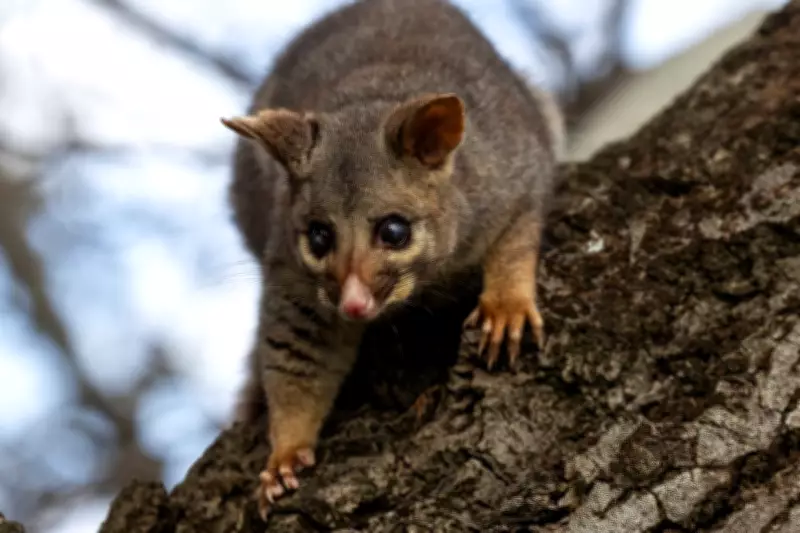
In the quiet of an inner-city Sydney night, a chance encounter with a possum can be a delightful brush with nature. For many Australians, these fluffy-tailed marsupials are protected creatures, often seen as harmless herbivores that occasionally cause a nuisance in gardens or roofs. However, across the Tasman Sea in Aotearoa New Zealand, possums are viewed with outright hostility, branded as destructive pests that threaten native bird populations.
A Personal Encounter in Sydney's Urban Jungle
After a weekend of festivities, I found myself in my garden late at night, recovering from the celebrations. In the stillness, I heard a strange scurrying sound and spotted a large fluffy tail darting past. Initially mistaking it for a neighbourhood cat, I soon realised it was a possum, clumsily hiding in a houseplant. As I approached to offer guidance, the possum leaped out and dashed past me, leaving me both startled and thrilled by this rare urban wildlife interaction.
Living in the heart of Sydney, such encounters are few and far between, making this moment all the more special. I regretted that my girlfriend had already retired for the night, but then remembered her background might have coloured the experience differently. Hailing from New Zealand, she harbours a deep-seated animosity towards possums, a sentiment shared by many of her compatriots.

The New Zealand Perspective: Propaganda and Predator Control
In New Zealand, possums are not merely disliked; they are demonised. Introduced as an invasive species, they have been blamed for preying on native bird eggs, a crime that strikes at the heart of Kiwi national pride. From a young age, New Zealanders are exposed to anti-possum propaganda, with school campaigns depicting them as evil, glowing-eyed creatures. Colloquialisms like "the only good possum is a dead possum" reflect this ingrained hostility, and children are even encouraged in activities like possum tossing.
The country has launched the Predator Free 2050 initiative, aiming to eradicate possums and other predators to protect vulnerable native birds. Ironically, this effort has led to discoveries such as using Selena Gomez's cinnamon Oreo biscuits as effective bait. For New Zealanders, possums represent a threat to their unique avian heritage, leaving no room for neutral feelings until eradication is achieved.
Australian Sympathy: Protected and Pampered Marsupials
Contrast this with the Australian experience, where possums are often seen in a more sympathetic light. Growing up, I participated in spotlighting trips to observe these creatures in their natural habitat, viewing them as protected friends rather than foes. While they can be annoying when they invade vegetable patches or attics, they are generally considered harmless herbivores. The idea of feeding a baby possum pumpkin from your hand evokes warmth, not wrath.
This cultural divide highlights how national contexts shape perceptions of wildlife. In Australia, possums are part of the urban ecosystem, cherished for their presence in a concrete-dominated landscape. In New Zealand, they are symbols of ecological imbalance, targeted for elimination to preserve native species.
Bridging the Gap: Personal Struggles and Hopeful Reconciliation
My girlfriend's visits to Australia have forced her to confront these conflicting views. As a guest in possum territory, she attempts to suppress her instinctive negative reactions, often standing contemplatively rather than acting on her country's rock-throwing tendencies. She is caught in a tug-of-war between her upbringing and new experiences, struggling to reprogram decades of state-influenced bias.
With time, there is hope she may come to see possums in a less hostile light, though trips back to New Zealand risk resetting her to a "kill on sight" mentality. This personal journey mirrors broader tensions between conservation and compassion, where cultural heritage clashes with cross-border understanding.
Ultimately, the possum debate underscores deeper issues of national identity, environmental stewardship, and the power of propaganda. While Australia celebrates these creatures as urban wildlife, New Zealand wages war against them, each nation's stance rooted in unique ecological and historical contexts.