Illegal Fishmeal Factories Threaten Guinea-Bissau's Marine Sanctuary
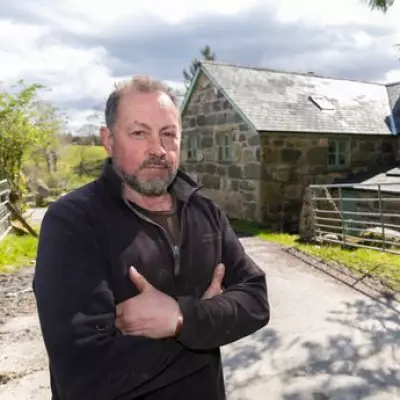
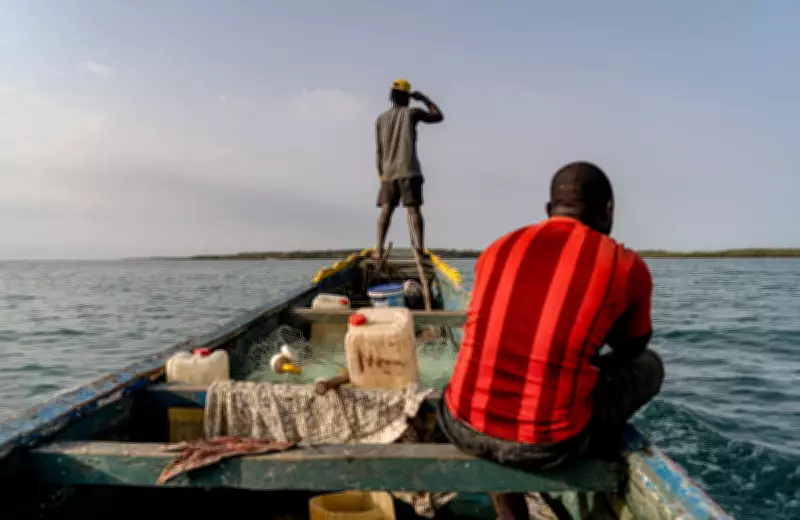
A joint investigation by the Guardian and DeSmog has uncovered widespread illegal fishmeal and oil production off the coast of Guinea-Bissau, jeopardising the ecologically vital Bijagós archipelago. Local fishers on Bubaque island face dire challenges, including a broken ice factory that forces them on six-hour boat trips to the mainland for supplies, undermining their livelihoods.
Ecological Crisis in a Protected Haven
The Bijagós archipelago, often called "the Galápagos of west Africa" for its endangered turtles and manatees, is a protected marine area where only small-scale fishing with wooden canoes is permitted. However, industrial vessels like the Chinese-owned Hua Xin 17, a 125-metre floating factory, have been illegally processing thousands of tonnes of sardinella into fishmeal and oil. This pelagic fish is crucial for local diets, migratory birds, and marine predators such as barracudas and dolphins.
Satellite records from Global Fishing Watch reveal that Turkish purse seiners, licensed to fish in Guinea-Bissau's exclusive economic zone, routinely disable their Automatic Identification System signals near the protected area, suggesting illegal transshipment to factory ships. This practice violates national laws and threatens biodiversity, as highlighted by Aliou Ba of Greenpeace, who warns of severe impacts on food security and community livelihoods.

Human and Environmental Toll
Testimony from a local sailor, Antonio, exposes harsh conditions aboard the Hua Xin 17, where Guinean crew members faced mistreatment and inadequate food. Secretly recorded video footage corroborates the illegal processing of sardinella, with trade data showing fishmeal entering international supply chains, including sales to companies in Chile and Ecuador for aquaculture feed. The expansion of these operations exacerbates overfishing in a region where fish provide a third of animal protein and employ 225,000 people.
In response, Guinea-Bissau's new government has imposed a landmark ban on fishmeal production and suspended licences for purse-seine fishing, pressured by evidence from this investigation and international partners like the EU. However, enforcement remains a challenge due to limited capacity, as noted by experts like Dyhia Belhabib of Ecotrust Canada.
Future Prospects and Local Struggles
Back on Bubaque island, the ice machine remains unrepaired, symbolising the broader neglect of artisanal fishers. Papa Cá, president of a local fisheries platform, emphasises the need for investment in cold storage to enhance food security. While the ban offers hope, its success hinges on robust implementation to protect Guinea-Bissau's marine ecosystems and support vulnerable communities against illegal industrial exploitation.