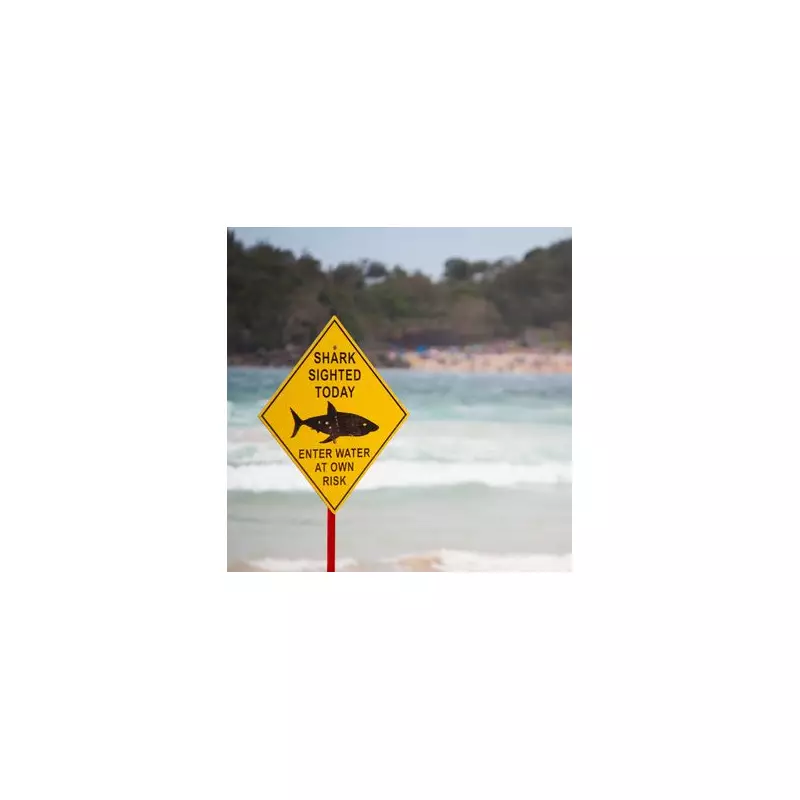
A sudden and alarming series of shark attacks has rocked the coastline of New South Wales, Australia, prompting authorities to declare local beaches unsafe. The latest incident, the fourth within a mere 48-hour period, saw a surfer attacked at Point Plomer, leading to urgent warnings for the public to stay out of the water.
A Surfer's Lucky Escape at Point Plomer
A 39-year-old male surfer was bitten by a suspected bull shark on the morning of Tuesday, 20 January 2026, while in the water at Point Plomer on the state's Mid North Coast. New South Wales Ambulance confirmed the incident, noting the man was extraordinarily fortunate. The shark bit through his surfboard, which absorbed the brunt of the assault. He was transported to hospital with only minor cuts and grazes to one leg.
Steve Pearce, chief executive of Surf Life Saving NSW, emphasised the surfer's luck, stating the isolated area is well-known for shark activity and lacks protective netting or smart drumlines. "[He's] very fortunate to not have sustained any serious injuries," Pearce told the ABC.

Perfect Conditions for a Predator
Shark experts point to specific environmental factors driving the spike in dangerous encounters. Warm ocean temperatures and dirty water from recent storms are creating ideal conditions for bull sharks, an aggressive species known for its territorial nature and preference for hunting in shallow waters. This significantly increases the chance of interactions with humans.
Pearce issued a stark warning based on these conditions: "We have such poor water quality that’s conducive to bull shark activity ... [so] just go to a local pool, because at this stage, we’re advising that the beaches are unsafe." He strongly advised against swimming or surfing near river mouths, where run-off from storms attracts sharks.
A Mystifying Cluster of Attacks
This attack marks the fourth in New South Wales in just days, creating a pattern that has baffled ocean experts. Lifeguards report no corresponding increase in shark sightings or population growth compared to other seasons.
Matt Worrall, captain of the Kempsey-Crescent Head Surf Life Saving Club, echoed the sentiment of confusion. "We've all got our own theories as to what's going on," he said. "I personally haven't seen more sharks this season compared to other seasons. We think it has something to do with the freshwater that's been pushing the sharks out of the river systems."
The previous attacks in this cluster were severe:
- On Monday, a 27-year-old man suffered critical, life-changing injuries after being bitten at North Steyne Beach in Manly. He remains in a critical condition following surgery.
- Also on Monday, another surfer at Dee Why Beach escaped unharmed after a shark damaged his board.
- On Sunday, a boy was critically injured in Sydney Harbour at Shark Beach, sustaining wounds to both legs from a suspected bull shark while jumping into murky water.
Response and Ongoing Danger
In response to the crisis, shark surveillance drones have been deployed to the Port Macquarie area. As a direct safety measure, swimming spots on the northern beaches have been closed to both surfers and swimmers for at least the next 48 hours. The situation underscores the unpredictable nature of wildlife and the critical importance of heeding official safety advice during periods of heightened risk.