A spectacular superbloom has erupted in Death Valley National Park, marking the first such event in a decade and transforming the famously arid desert into a vibrant tapestry of pink, purple, and yellow wildflowers. This rare phenomenon, triggered by a winter of record rainfall, is drawing travelers from around the globe who are flocking to witness the breathtaking display.
Perfect Conditions Spark Floral Spectacle
While there is no official scientific definition for a superbloom, the National Park Service uses the term to describe conditions where an abundance of flowers creates swaths of color across the landscape, rather than isolated plants. This is especially striking in low-elevation areas typically dominated by sand, gravel, and rock. The park last experienced a superbloom in 2016, with such events requiring "perfect conditions," including well-spaced rainfall and mild temperatures to occur.
Timing and Floral Highlights
According to the National Park Service, low-elevation flowers will continue blooming until mid to late March, depending on weather patterns, while higher elevations will see blooms from April through June. Time is of the essence for tourists hoping to catch a glimpse, and they should watch for some of the most common and eye-catching species, such as desert gold, brown-eyed evening primrose, golden evening primrose, phacelia, and mojave poppy.

Visitor Experiences and Scenic Views
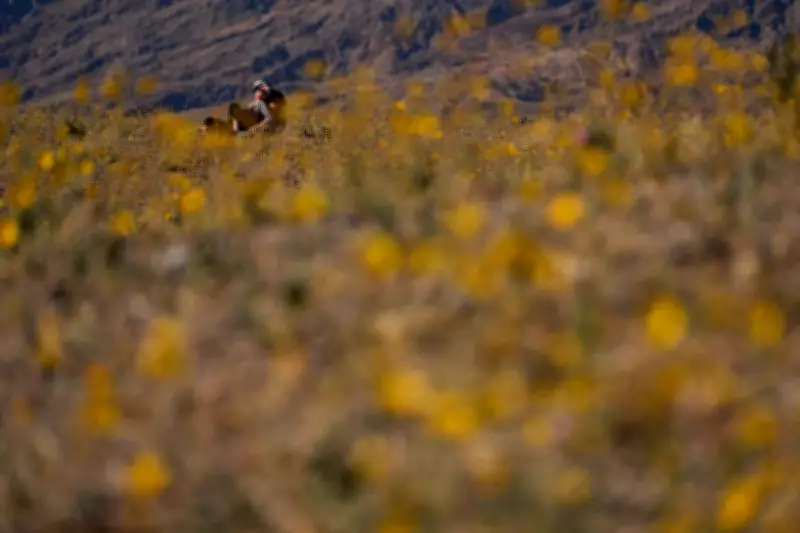
Visitors to Death Valley can expect to be greeted by fragrant air and a quilt of delicate hues, with scenes like people resting in fields of flowers or walking through Badwater Basin capturing the magic. Photographs show clusters of desert gold wildflowers blooming against rugged mountains, with desert sunflowers and sand-verbenas adding to the colorful blanket that has revitalized the park's typically stark terrain.
This superbloom not only offers a visual feast but also highlights the resilience of nature in one of the world's harshest environments, making it a must-see event for nature enthusiasts and photographers alike.