Surge in Shark Encounters Prompts Safety Crackdown
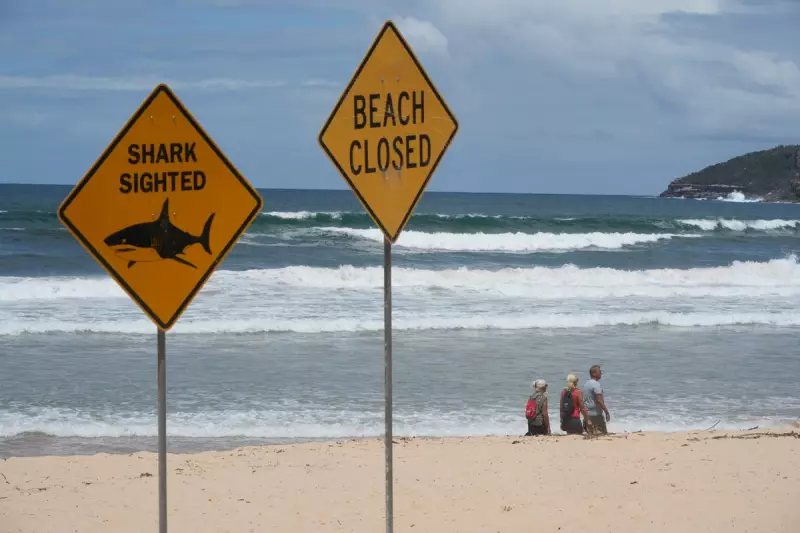
Authorities in Australia have been forced to close dozens of beaches and issue urgent warnings for the public to stay out of the ocean following a fourth serious shark attack reported within a 48-hour period. The alarming cluster of incidents, centred on Sydney and the New South Wales coastline, has prompted a major safety response from police, lifeguards, and marine experts.
Details of the Latest Attacks
The most recent attack occurred on Tuesday morning near Point Plomer on the mid-north coast of New South Wales. A 39-year-old surfer was bitten by a shark while in the water close to a national park campground. He was transported to hospital in a stable condition, suffering only minor injuries.
This incident followed three other attacks since Sunday. On Sunday afternoon, a 12-year-old boy was critically injured after being bitten near Nielsen Park in Sydney Harbour. He remains in hospital with serious leg injuries after friends pulled him from the water and police applied tourniquets.

On Monday, an 11-year-old surfer had a lucky escape at Dee Why beach when a shark bit his board several times. Later that same day, a 27-year-old man was not so fortunate, suffering critical injuries after being bitten while surfing at Manly beach.
In response, all beaches across Sydney’s northern beaches council area were closed until at least Thursday, with closures also in effect between Town Beach and Crescent Head following the Point Plomer attack.
Experts Explain the Dangerous Conditions
Scientists and officials have been quick to explain the environmental factors behind this sudden spike in shark activity close to shore. Steven Pearce, chief executive of Surf Life Saving NSW, was unequivocal in his advice, stating water quality was unsafe and conducive to bull shark activity. "We have two people critically injured in hospital this morning. Just go to a local pool," he told the ABC.
Marine biologists point to the recent heavy rainfall as a key driver. Professor Jodie Rummer of James Cook University explained that storms and river outflows create nutrient-rich flood plumes that draw fish—and subsequently their predators—into coastal waters. "Bull sharks are especially comfortable moving in and out of river mouths and turbid coastal waters after heavy rain," she noted.
Adding a longer-term perspective, Dr Victoria Camilieri-Asch, a shark behaviour expert, highlighted the role of climate-driven warming, which is causing sharks to spend more time in coastal areas at higher latitudes, increasing the overlap with human activity.
While Australia typically records around 20 shark attacks a year with fewer than three fatalities on average, the current conditions are considered exceptionally risky. Authorities continue to urge the public to respect all beach closures and avoid swimming in murky water, particularly after periods of heavy rain.