Namibian Woman Trampled to Death After Provoking Wounded Elephant
In a shocking and tragic incident, a 46-year-old Namibian woman was trampled to death after provoking a wounded elephant while attempting to take a selfie. The event occurred near Omugulugombashe village, where Klaudia Mwaala and seven other villagers had followed the trail of an elephant that had been shot the previous night for raiding crops.
The Fatal Encounter
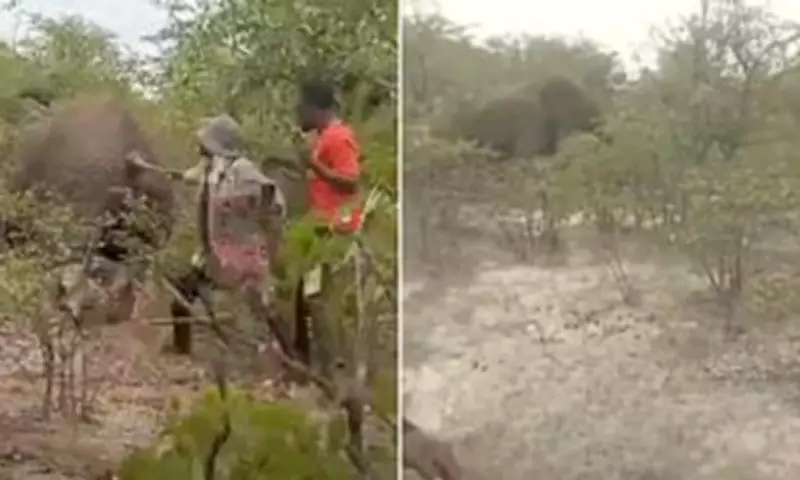
The group discovered the massive 6,000-kilogram elephant lying on its side with a serious bullet wound to its leg. Despite the animal's injured state, Klaudia Mwaala approached the beast from behind, posing for a video. She first slapped the elephant's bottom, then grabbed its tail and gave it a hard tug before retreating and laughing for the camera.
Another villager reportedly shot the elephant a second time, leading Klaudia to assume it was dead. She then crept around to the front of the animal, near its head and tusks, to take a selfie. Witnesses described how the elephant suddenly opened its eyes, got to its feet, and began chasing her.

"She tried to run, but the elephant bore down on her quickly. A high-pitched scream was heard before absolute silence fell," one local recounted on Facebook. After the elephant left, villagers returned to find Klaudia's body crushed on the ground.
Aftermath and Investigation
A team from the Department of Environment arrived to investigate and had no choice but to euthanise the injured elephant due to its bullet wounds. The animal was described as highly stressed and in an extremely dangerous, agitated state.
The Ministry of Environment stated that the tragic death was not the fault of the animal. A spokesman, Vilho Hangula, noted that while compensation of N$100,000 (approximately £4,600) is typically provided for deaths caused by wild animals, ongoing investigations and social media videos suggest this case may not qualify.
"Our investigations are ongoing, but the videos on social media suggest that in this instance it would not be a case for compensation," Hangula said.
Family and Community Reaction
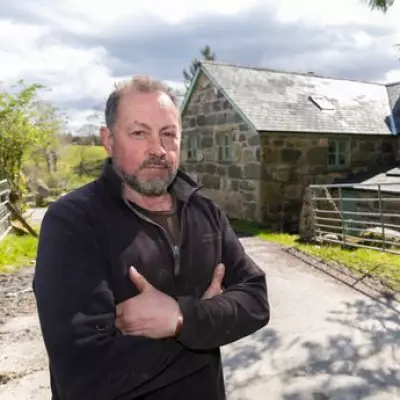
Klaudia Mwaala, a mother-of-four, was described by her husband, Festus Lipinge, as a good woman and devoted mother. "She was very peaceful and devoted to our four children. This is all very hard to understand," he said.
Her sister, Sarty Mwaala, called for the Ministry of Environment to do more to protect villagers during the rainy season when elephants raid crops. Meanwhile, social media reactions were largely unsympathetic, with many blaming Klaudia for her own death.
One commenter wrote, "You provoked that elephant. It was injured, and you pulled its tail and slapped it. This day you went looking for your ancestors and you found them." Another added, "That elephant was only defending itself. All you wanted was your photo taken. Elephants do not forget."
Broader Context of Human-Elephant Conflict
This incident underscores the severe human-wildlife conflicts in Africa, where shrinking forest habitats and competition over water and food lead to approximately 500 elephant-related deaths annually. African bull elephants can stand three metres tall, weigh up to 7,000 kilograms, and run at speeds of 25 mph.
Historically, elephant populations have plummeted from an estimated 10 million a century ago to around 415,000 today, exacerbating tensions between humans and these majestic but dangerous animals.