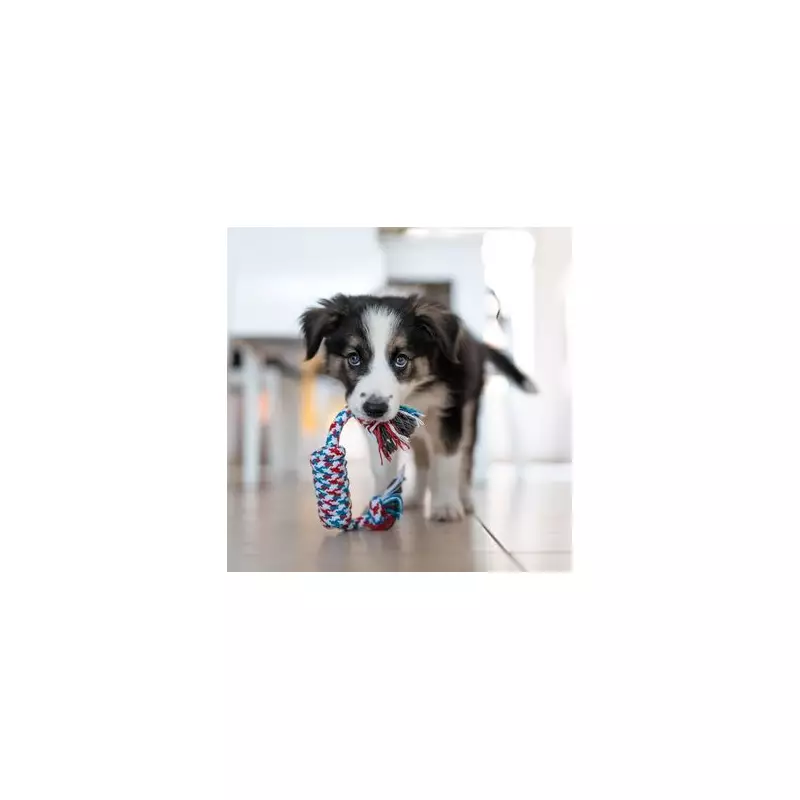
Dog owners across the nation are experiencing a wave of emotional realisation as they uncover the tender reason behind a common canine greeting ritual. Many have shared their heartfelt responses after discovering why their beloved pets consistently pick up toys to welcome them home, adding yet another layer to the profound bond between humans and their four-legged companions.
The Universal Canine Greeting Ritual
Every dog possesses unique personality traits, yet numerous owners have observed remarkably similar behaviours in their pets. A widespread pattern has emerged where dogs make a direct path to their toy collection before enthusiastically greeting their returning owners at the door. This endearing routine, often accompanied by vigorous tail wagging and a soft object held gently in the mouth, has sparked considerable curiosity among the dog-owning community.
Unravelling the Mystery of Nooking
Seeking explanations for this charming behaviour, many owners have turned to social media platforms where canine experts and fellow enthusiasts have provided illuminating insights. The phenomenon has been identified as "nooking," a term that describes when dogs suck, knead, or gently mouth soft objects. This behaviour serves as a self-soothing mechanism, with the rhythmic motions triggering the release of endorphins that promote relaxation and calmness.

Specialist dog retailer Woof has released a detailed statement explaining that nooking typically involves puppies or younger adult dogs engaging with plush items. The company draws parallels between this canine behaviour and human children clutching favourite stuffed animals for comfort. The repetitive, soothing nature of nooking can sometimes continue for extended periods, providing dogs with a reliable source of emotional regulation.
Understanding the Psychological Drivers Behind Nooking
Comfort and Emotional Security
At its core, nooking frequently originates from a dog's fundamental need for emotional reassurance. Puppies that experienced early weaning or premature separation from their littermates may particularly engage in this behaviour as they attempt to recreate the comforting sensation of nursing. This self-soothing practice helps them establish feelings of safety and stability in their environment.
Stress Relief and Anxiety Management
Similar to humans who might fidget or bite their nails during anxious moments, dogs often turn to nooking as a coping mechanism during periods of stress, anxiety, or sensory overload. The rhythmic action provides a calming outlet that helps regulate their emotional state and reduce tension.
Enrichment and Habit Formation
For some dogs, nooking simply represents an enjoyable activity that naturally evolves into a comforting daily routine. Many pets incorporate this behaviour into their wind-down rituals before naps or bedtime, establishing predictable patterns that contribute to their overall wellbeing.
When to Seek Professional Guidance
While nooking is generally considered a harmless, natural behaviour indicating a dog's desire for comfort or stress relief, owners should remain observant of their pet's patterns. Veterinary consultation or professional trainer advice becomes advisable if the behaviour becomes obsessive, appears triggered by high-stress situations, or escalates to destructive chewing of household items.
Woof emphasises that with proper understanding and appropriate tools, this quirky habit can transform into a positive, enriching aspect of a dog's daily life. The company notes that their products are specifically designed to support such comforting behaviours through scientifically-informed design principles.
Community Reactions and Shared Experiences
The revelation about nooking has resonated deeply within the dog-owning community, with numerous social media users expressing emotional responses to this newfound understanding. Many have shared stories about their own pets' similar behaviours, creating a collective moment of recognition and appreciation for canine emotional complexity.

One particularly moved user commented on the profound sense of connection this knowledge fostered, while others described specific instances of their dogs engaging in nooking behaviours with favourite blankets or toys. These shared experiences highlight how learning about such behaviours deepens the human-canine bond and enhances owners' ability to provide appropriate emotional support for their pets.
As awareness spreads about this comforting canine behaviour, dog owners are gaining valuable insights into their pets' emotional worlds. This understanding enables them to better support their furry companions' wellbeing while appreciating the subtle ways dogs communicate their need for comfort and security.