Uncontacted Amazon Tribe Faces Extinction from Logging Industry Pressure
Uncontacted Amazon Tribe Faces Extinction from Logging

The Harrowing Reality of the World's Most Isolated Tribe

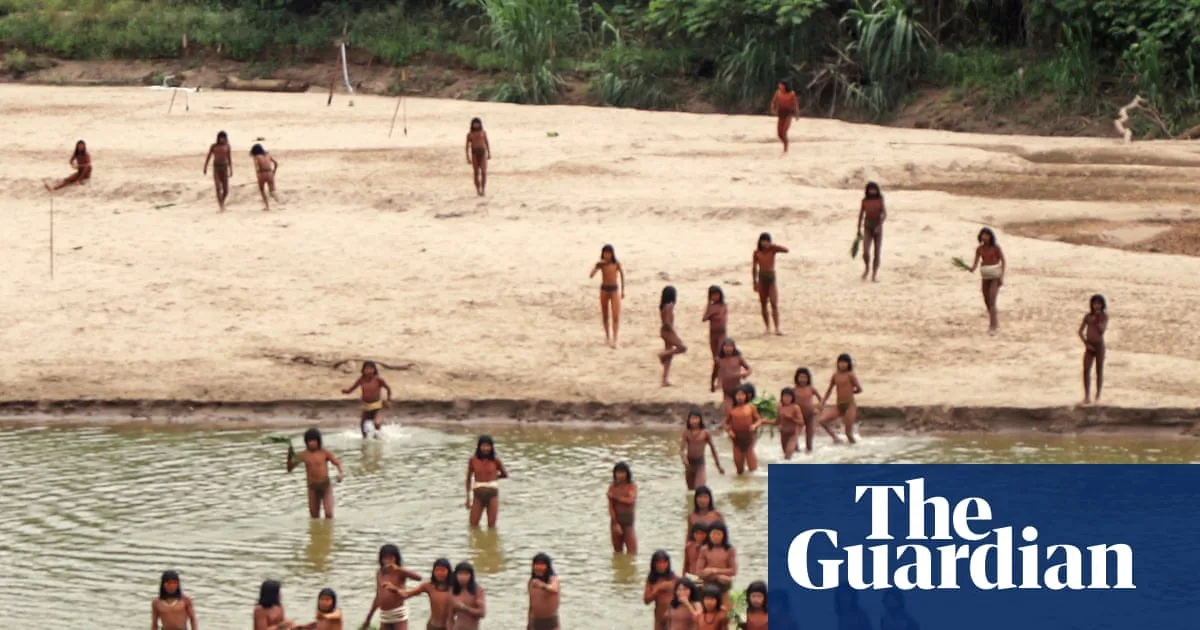
The Mashco-Piro tribe, hidden deep within the Amazonian rainforest, represents one of humanity's last truly uncontacted indigenous communities. These nomadic hunter-gatherers, also known as the Cujareno or Nomole people, inhabit the remote Manu National Park in Peru, living completely removed from modern civilization.

A Stone Age Existence Under Modern Threats

Living naked with wild hair and traditional warpaint, the Mashco-Piro hunt with their hands and arrows, maintaining a lifestyle that appears frozen in prehistoric times. As the world's largest uncontacted tribe, they have deliberately avoided interaction with outsiders for generations, making only minimal contact with neighboring Yine people.

Yet this ancient way of life faces unprecedented danger. Despite their isolation, the Mashco-Piro understand the threat of deforestation as logging companies encroach upon their territory with devastating consequences.

Logging Industry Encroachment and Violent Clashes

The tribe resides in Peru's Madre de Dios region, where they've been increasingly spotted outside their traditional territory in recent years. Survival International reports they face enormous pressure from the logging industry, with multiple timber concessions operating within their ancestral lands.

One company certified by the Forest Stewardship Council, Canales Tahuamanu, has constructed over 120 miles of roads through the forest to extract valuable cedar and mahogany from 130,000 acres in Madre de Dios. This industrial-scale deforestation directly threatens the Mashco-Piro's survival.

"They flee from loggers on the Peruvian side," explains Rosa Padilha of the Brazilian Catholic bishops' Indigenous Missionary Council. "They are a people with no peace, restless, because they are always on the run."

Deadly Confrontations and Displacement

The conflict has turned violent on multiple occasions. Between 2015 and 2022, clashes with the Mashco-Piro resulted in at least four deaths, including workers and local residents. In 2024, another confrontation left two people dead and two missing after lumberjacks began opening a trail in the forest.

Peru's Ministry of Culture is investigating these incidents alongside prosecutors and police, acknowledging that logging company activities "may have caused deaths, injuries and disappearances." The indigenous organization FENAMAD confirmed the most recent clash occurred in the tribe's territory near the Pariamanu River, where workers were killed by arrows.

Survival International director Caroline Pearce states: "These incredible images show that a large number of isolated Mashco-Piro live alone a few miles from where the loggers are about to start their operations."

Environmental Destruction on an Industrial Scale

The broader context reveals an environmental catastrophe. According to the World Wildlife Fund, approximately 1,100 square miles of Peru's forests are destroyed annually, with around 80% of this deforestation occurring illegally. This rampant destruction forces the Mashco-Piro to resettle near other tribal areas, including the Yine village of Puerto Nuevo, disrupting their traditional nomadic patterns.

The Paradox of Health in Isolation

Ironically, research suggests these threatened tribes may possess superior cardiovascular health compared to modern populations. A 2017 study found that 80-year-olds from similar Amazonian tribes had vascular ages equivalent to Americans in their mid-fifties.

The indigenous Tsimane people of the Bolivian Amazon demonstrate the lowest reported levels of vascular aging globally, with coronary atherosclerosis five times less common than in the United States. Their subsistence lifestyle—characterized by:

  • Diets low in saturated fats and high in non-processed foods
  • Constant physical activity throughout the day
  • Almost non-existent smoking rates
  • High fiber consumption from rice, plantains, corn, nuts and fruits

Professor Hillard Kaplan of the University of New Mexico notes: "Our study shows that the Tsimane indigenous South Americans have the lowest prevalence of coronary atherosclerosis of any population yet studied." He suggests elements of their lifestyle could benefit sedentary modern populations.

A Race Against Time

The Mashco-Piro face a tragic paradox: their isolation has preserved both their ancient culture and remarkable physical health, yet this very separation leaves them vulnerable to destruction by industries they cannot comprehend. As logging roads penetrate deeper into the Amazon, this uncontacted tribe's future hangs in precarious balance between preservation and extinction.

Their story represents not just the loss of a unique culture, but the destruction of living evidence that alternative human existences remain possible in our increasingly homogenized world.




