Mass Bird Deaths Trigger Health Concerns Across New Jersey
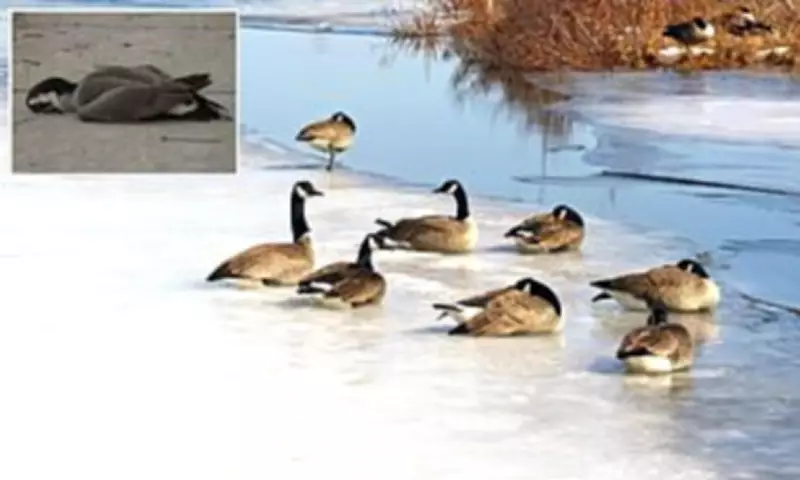
Alarm is spreading among wildlife officials and residents as hundreds of birds, primarily geese, have been found dead across multiple New Jersey counties over the past week. This follows a disturbing pattern that began last month when more than 1,100 geese were discovered lifeless in waters throughout the state.
Widespread Mortality Events Documented
The New Jersey Fish & Wildlife service has now recorded a staggering 4,370 dead or sick birds across 20 municipalities in eight counties. Most of the affected birds are Canada geese and brant geese, with recent reports coming from Woodstown in Salem County where dead geese were found at Memorial Lake.
Woodstown Police Department confirmed the situation on social media, stating: 'Woodstown Borough officials are aware of reports of dead geese at Woodstown Memorial Lake.' Authorities have issued precautionary warnings, advising residents to avoid approaching any geese in affected areas due to concerns about highly pathogenic avian influenza (HPAI).

Conflicting Evidence Complicates Investigation
While officials initially suspected bird flu as the primary cause, some test results have returned negative for avian influenza. This has led experts to consider alternative explanations including:
- Extreme freezing temperatures affecting bird health
- Potential exposure to other unconfirmed viruses
- Environmental factors forcing congregation in limited spaces
Wildlife pathologist Patrick Connelly explained the situation: 'With migratory waterfowl coming into the state this time of year and large congregations of flocks, we have many susceptible hosts in close quarters and this disease can spread rapidly and kill these animals quickly.'
Weather Conditions Exacerbate the Crisis
New Jersey's recent freezing winter storms have created additional challenges for waterfowl populations. As open water sources freeze over, geese are forced to congregate in limited available areas, increasing disease transmission risks.
Connelly noted: 'I do suspect that the recent weather has had an effect here, with the primary effect being that it is causing birds to congregate in limited open water sources, so we have large numbers of waterfowl in close contact.'
Public Health Implications and Precautions
Despite the concerning scale of bird mortalities, health authorities emphasize that the current risk to humans remains low. The U.S. Centers for Disease Control and Prevention has declared the HPAI outbreak primarily an animal health issue.
Dr David Perlin, chief scientific officer at Hackensack Meridian Health's Center for Discovery and Innovation, stated: 'We don’t just ignore these things – we take them seriously,' while adding that transmission to humans appears unlikely.
However, officials recommend:
- Avoiding contact with dead wildlife
- Keeping children and pets away from affected areas
- Reporting large bird mortality events to authorities
National Context and Historical Parallels
The current situation occurs against a backdrop of ongoing bird flu concerns across the United States. The H5N1 strain was first detected in the US in 2022 and has affected multiple species including cattle, chickens, and various wild animals.
According to CDC data:
- 71 human cases of H5N1 have been detected since February 2024
- Two fatalities have been recorded
- No human-to-human transmission has been confirmed
- The USDA reports recent outbreaks in 67 flocks affecting 11.5 million birds
Science writer David Quammen, who predicted the COVID-19 pandemic years in advance, has identified bird flu as a significant potential threat for future pandemics, adding urgency to current monitoring efforts.
Ongoing Investigation and Community Impact
Residents in affected areas have reported disturbing observations. Near Alcyon Lake in Gloucester County, where 50-75 geese were found dead in February, locals noted unusual bird behavior.

Marisa Brusco described seeing geese floating lifelessly in the lake, while Joie Shaw reported encountering a sick goose 'just laying there with his head flopped over' in his backyard. These normally energetic birds appeared lethargic and unwell before their deaths.
Officials continue their investigation across Atlantic, Camden, Gloucester, Hunterdon, Middlesex, Monmouth, Ocean and Salem counties, working to determine the exact causes behind these mass mortality events while balancing public health concerns with wildlife conservation priorities.