Punch the Baby Macaque Moves Beyond Plushie Comfort to Monkey Society
The heartwarming story of Punch, a baby Japanese macaque who captured global attention by clinging to an Ikea djungelskog plush orangutan toy, has taken a positive turn. The seven-month-old primate, initially rejected by his mother and shunned by other monkeys at Ichikawa city zoo near Tokyo, is now showing significant progress in social integration.
From Plushie Dependence to Primate Interaction
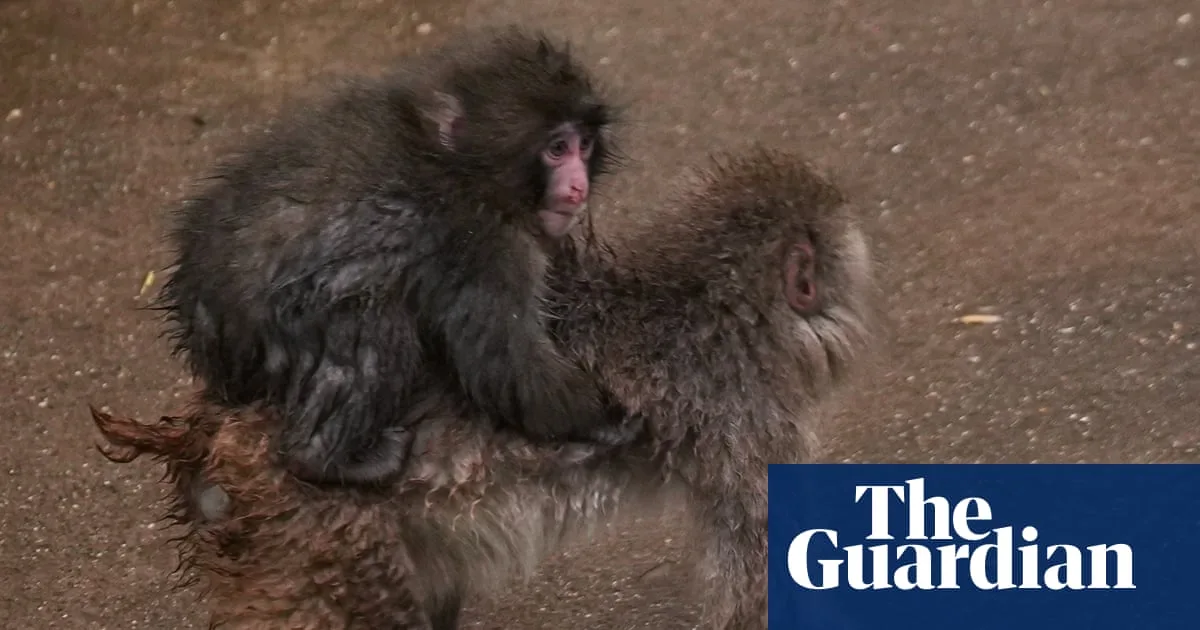
Recent observations at the zoo reveal Punch spending considerably less time with his oversized toy companion and increasingly engaging with his macaque peers. Visitors have witnessed the young monkey climbing on the backs of other macaques, sitting calmly among adults, and even receiving grooming and hugs from troop members. This marks a dramatic shift from earlier behavior where Punch would retreat to his plushie whenever rejected by other monkeys.
Sanae Izumi, a 61-year-old visitor from Osaka, expressed relief at Punch's development: "It was good to see him grow, and I'm reassured. He is adorable!" Her sentiment reflects the emotional investment many have made in the baby macaque's wellbeing since images of him dragging the toy first circulated online.
The Science Behind Maternal Abandonment
Punch's initial rejection prompted questions about why mother animals sometimes abandon their offspring. Alison Behie, a primatology expert at Australian National University, explained that while such abandonment is unusual, it can occur under specific circumstances. "In Punch's case, their mother was a first-time mother, indicating inexperience," Behie noted.
Zookeepers believe additional factors contributed to the abandonment, including Punch's birth during a heatwave. Behie elaborated: "In environments where survival is threatened from outside stress, mothers may prioritise their own health and future reproduction rather than continue to care for an infant whose health may be compromised by those environmental conditions."
Zookeeper Intervention and Training
After Punch's abandonment, zookeepers stepped in to provide care and introduced the Ikea toy as a training tool. Kosuke Kano, a 24-year-old zookeeper, emphasized their primary goal: "Helping Punch learn the rules of monkey society and being accepted as a member is our most important task."
The plushie served multiple purposes - providing comfort while simultaneously training Punch to cling, an essential survival skill for newborn macaques who must hold onto their mothers. Early footage showed the baby monkey clutching the toy tightly while being harassed by older macaques or wandering alone after being pushed away.
Managing Popularity and Promoting Development
Punch's unexpected fame necessitated management changes at the zoo. After images of him with his toy went viral last month, officials implemented rules requiring visitors to remain quiet and limited viewing times to just ten minutes to reduce stress for all approximately fifty monkeys in the enclosure.
Shigekazu Mizushina, the zoo director, expressed optimism about Punch's progress: "When he grows out of the plush toy that encourages his independence, and that's what we are hoping for." While Punch still sleeps with his toy each night, zookeepers anticipate he will soon begin sleeping huddled with other monkeys, completing his integration into macaque society.
The transformation from isolated, toy-dependent infant to socially engaged troop member represents a significant achievement for both Punch and the dedicated zookeepers who facilitated his development through careful intervention and innovative use of a simple plush toy.




