New York's Rat Population Faces Decline After Harsh Winter Conditions
NYC Rat Numbers May Drop After Severe Winter Freeze

New York's Rat Population Faces Potential Decline After Harsh Winter

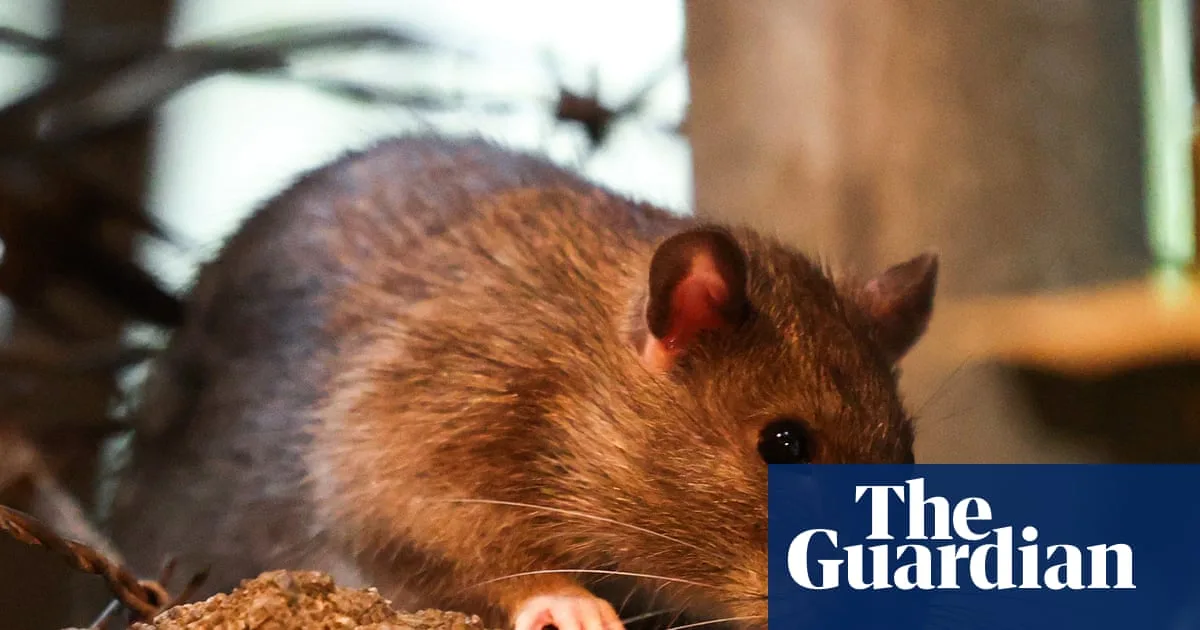
As a result of New York City's most severe winter in years, the urban rat population may be on the decline, at least temporarily. With snow, historic deep freezes, and prolonged cold snaps, experts anticipate a drop from the estimated 3 million rats that have thrived in the city for centuries.

Impact of Cold Weather on Rat Reproduction

Bobby Corrigan, a renowned rodentologist, explains that cold temperatures significantly affect rat behavior. "If they're outside rats living in a park or something, and it's cold, they stop mating," he said. This cessation in reproduction leads to fewer rats in the spring, as the animals prioritize survival over breeding during extreme conditions.

Corrigan notes that while adult rats, originating from Mongolia and northern China, are well-adapted to cold, they avoid having litters in winter. "It's just too dangerous to have a litter of 10 pups who don't have fur. When the mom goes out to get some food, they're subject to hypothermia," he added. Instead, rats stock up on food in underground burrows, creating "little pantries" to sustain themselves.

City Efforts and Sanitation Policies

New York City has invested millions of dollars in rat control measures, including appointing a rat czar, though the position was vacated late last year. Recently, officials have reported progress, with rat sightings declining for 14 consecutive months. The Department of Sanitation attributes this to a massive effort to containerize trash, requiring residents and businesses to use sealed containers instead of leaving bags on streets.

Corrigan criticized the old practice: "We've been putting out bags since 1971, and honestly, rats are just like: 'Terrific. Plastic doesn't keep us out. We'll just feed for 50 years, at will, every night.'" The new policy aims to curb this by limiting rats' access to food sources.

Rat Tours and Urban Observations

Despite the decline, rats remain a fixture in New York, as highlighted by Kenny Bollwerk, known as "Rat Daddy," who conducts weekly rat tours in Manhattan. He reports that rats adapt to winter by creating snow tunnels, similar to igloos or the Holland Tunnel, to access trash and burrows. "I've still seen them and traced them. They have these little snow tunnels that they create," Bollwerk said.

His tours guarantee rat sightings, drawing tourists eager to observe urban wildlife. However, Bollwerk also submits reports to sanitation authorities, showing a commitment to reducing rat numbers. "I'm willing to go out of business to see rats completely gone from the city," he stated, though experts like Corrigan doubt total eradication is possible.

Tragic Winter Encounters

Winter exposes rats to harsher conditions, with above-ground burrows more vulnerable. Bollwerk recounted a sad discovery during a tour: "There had been rats living inside of a closed restaurant. A whole family. And I saw two of them holding each other, dead. It was the saddest thing I've ever seen in my life." This underscores the seasonal challenges rats face, even as they persist in the city's ecosystem.

While the rat population may dip temporarily, their resilience ensures they will remain a part of New York's urban landscape, balancing between human control efforts and natural survival instincts.




